
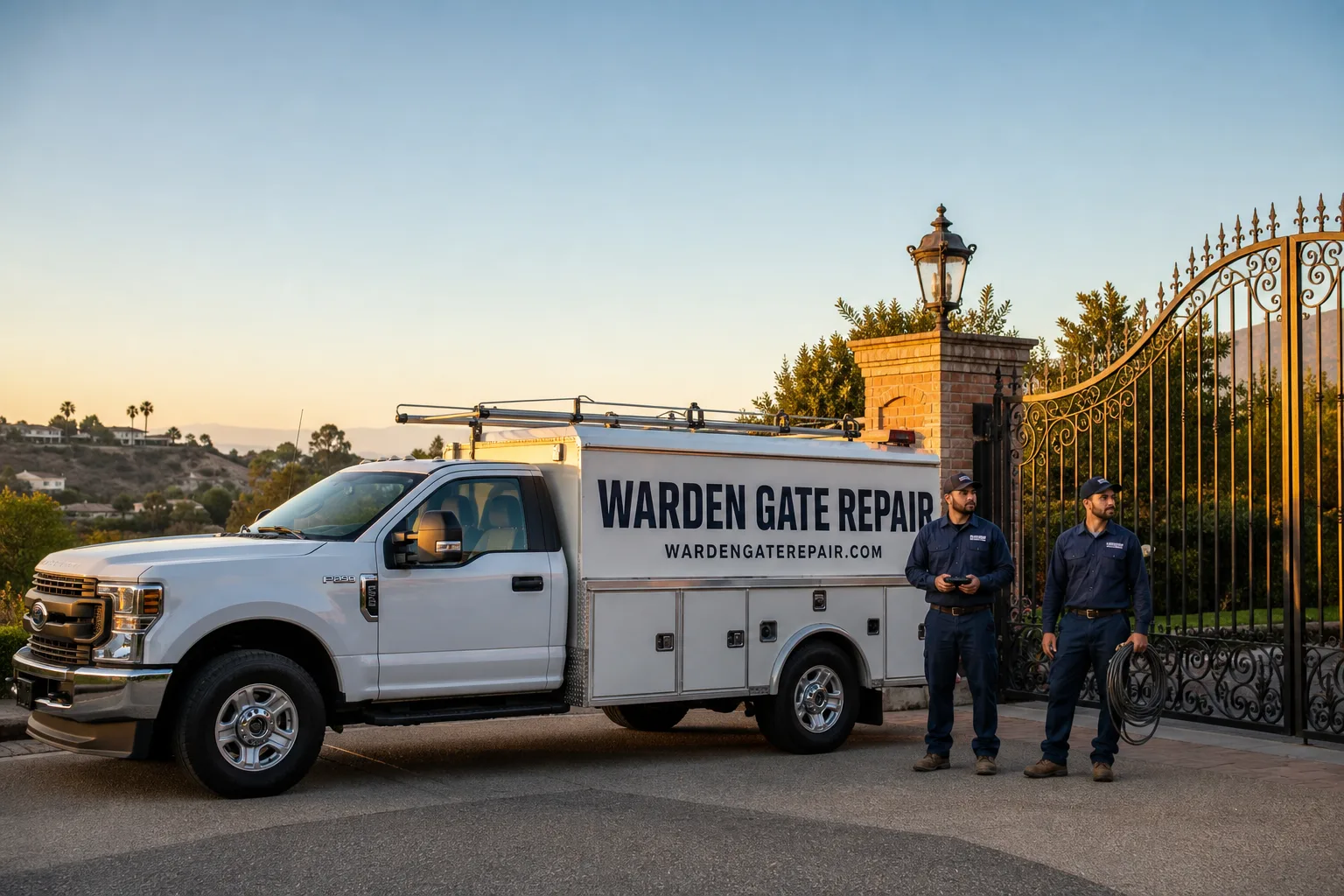
Free on-site gate assessment - hinges, posts, and your LiftMaster or Nice gate operator checked before anything is quoted
The assessment is free and the quote is the invoice.

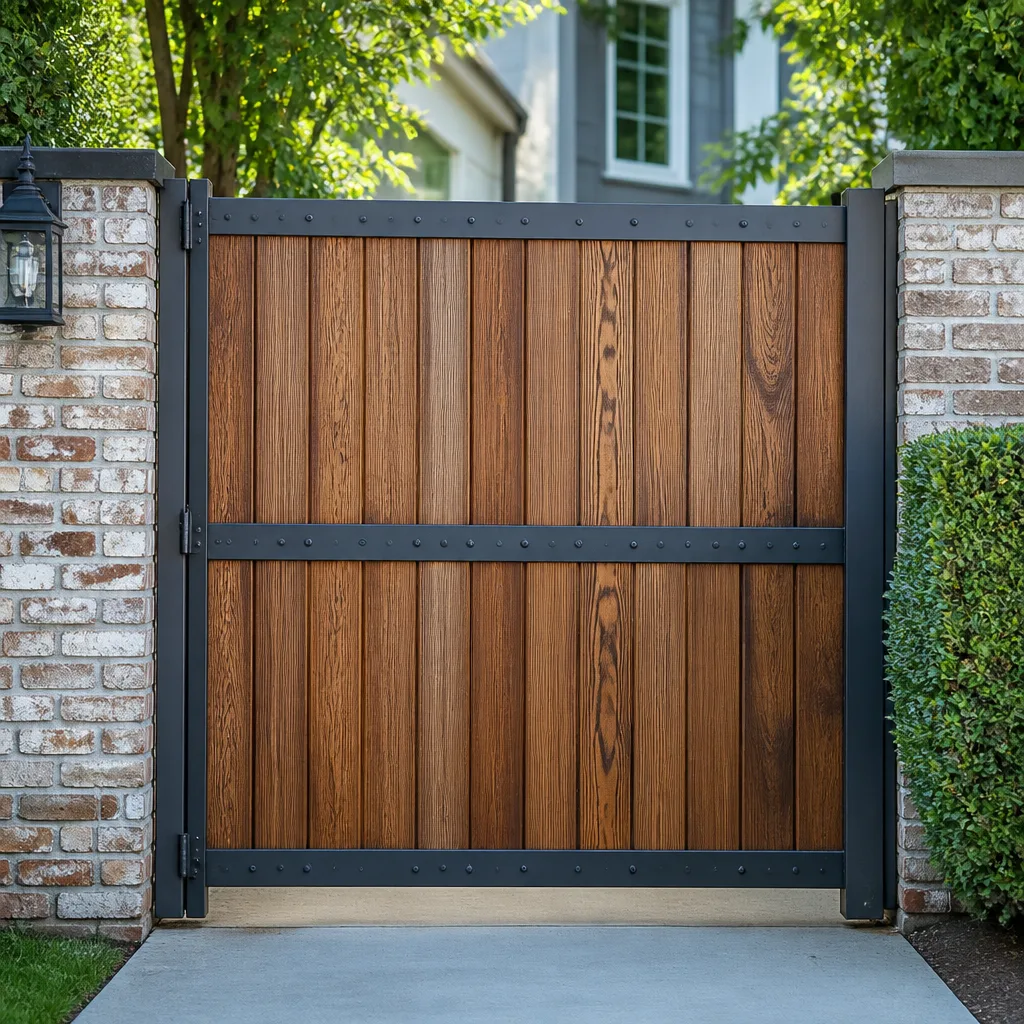
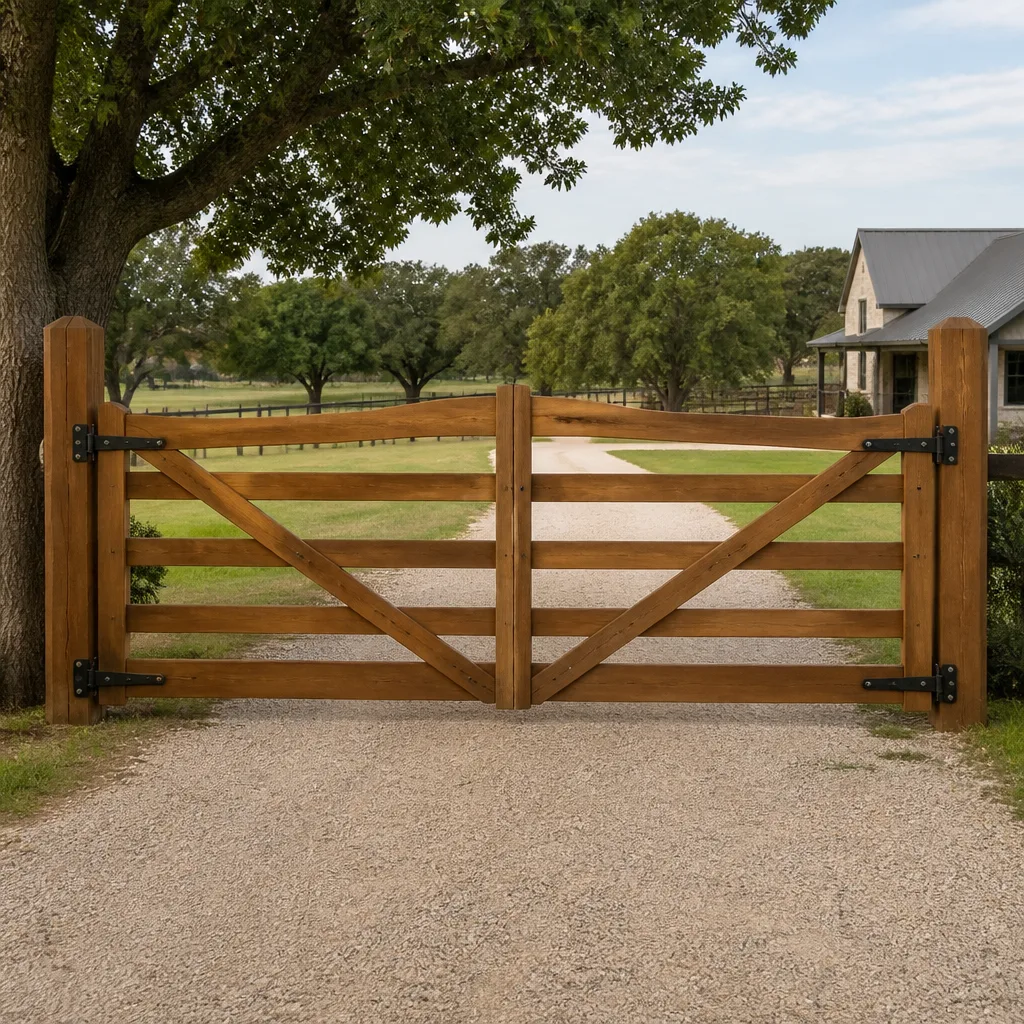
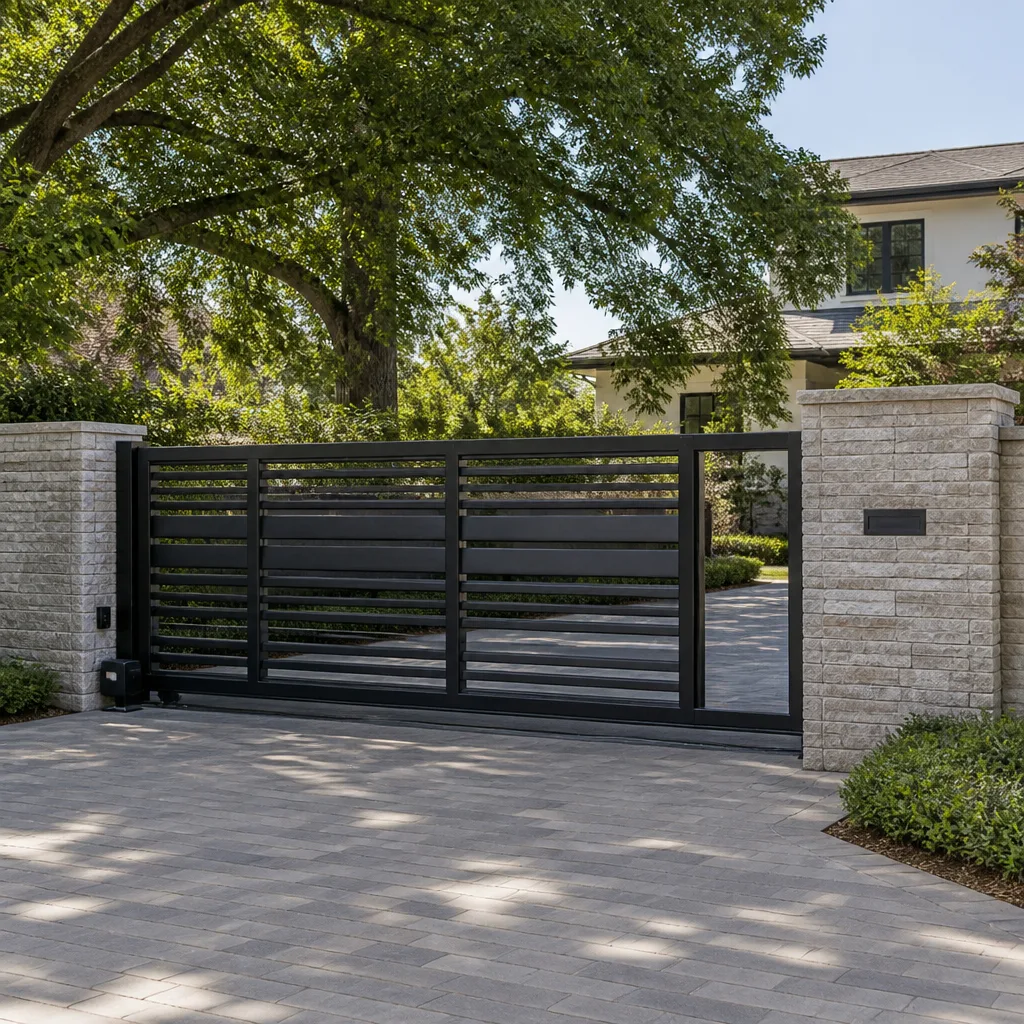
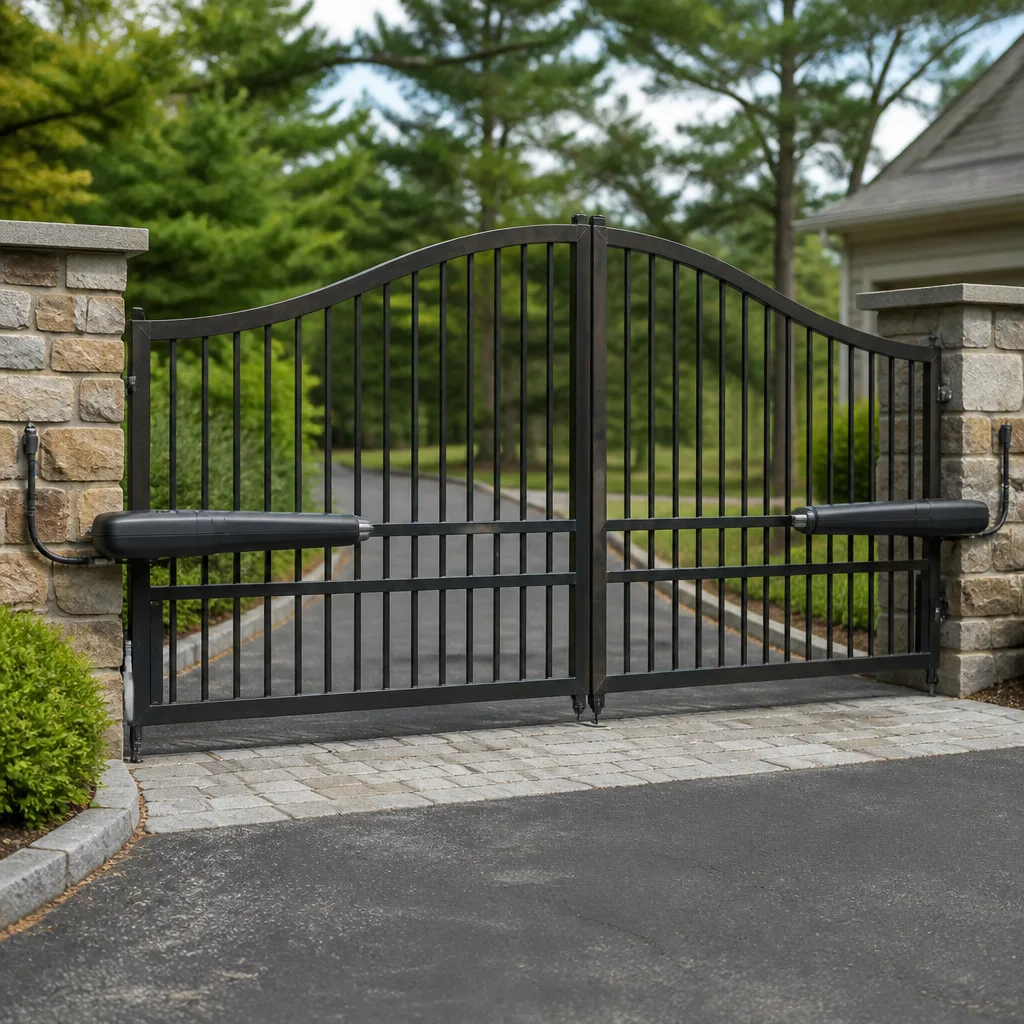
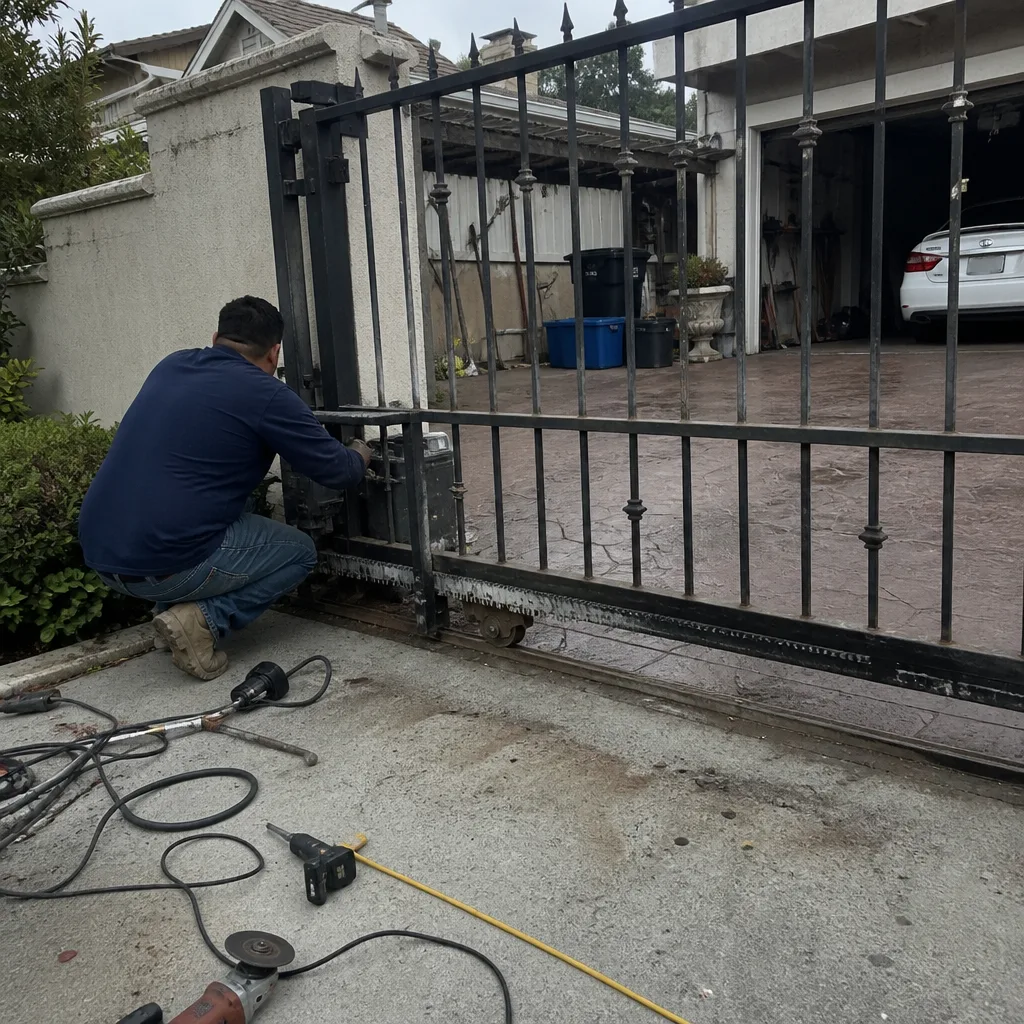 Before
 After
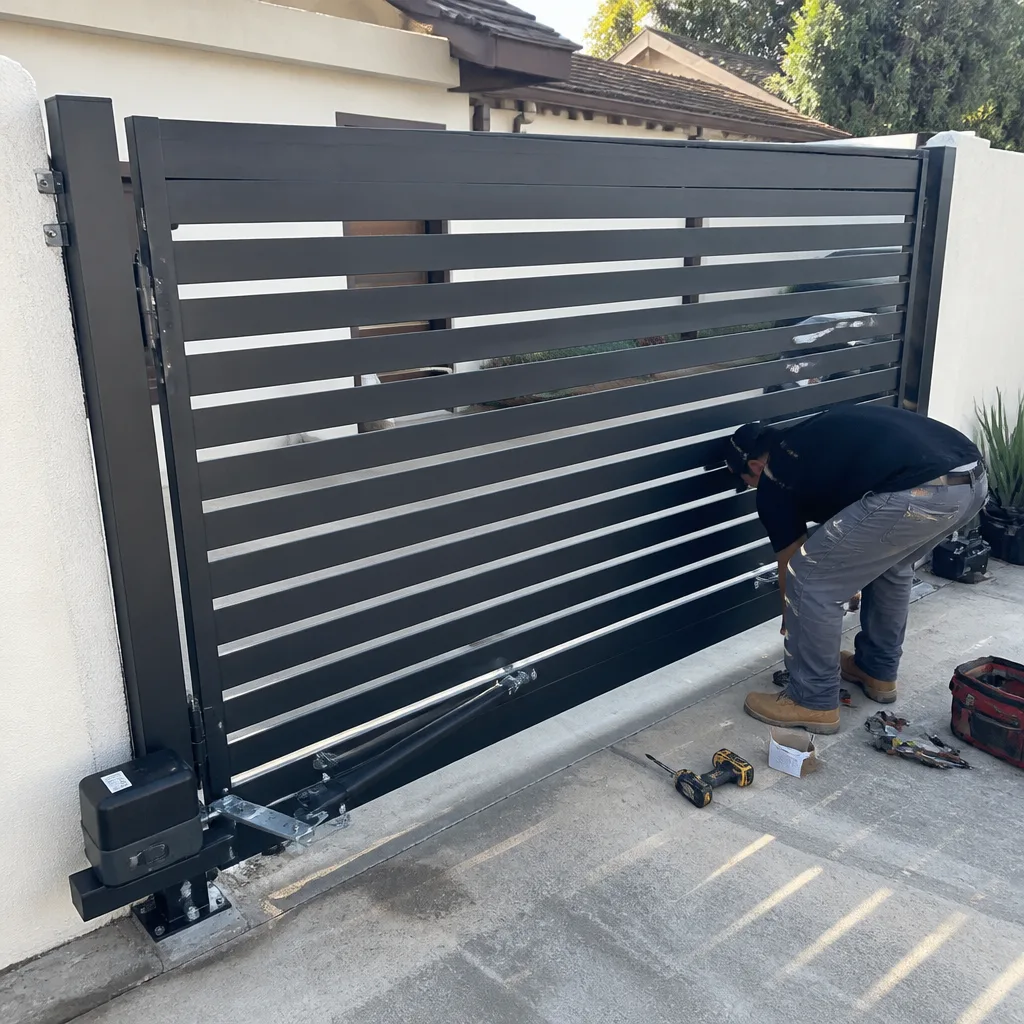
After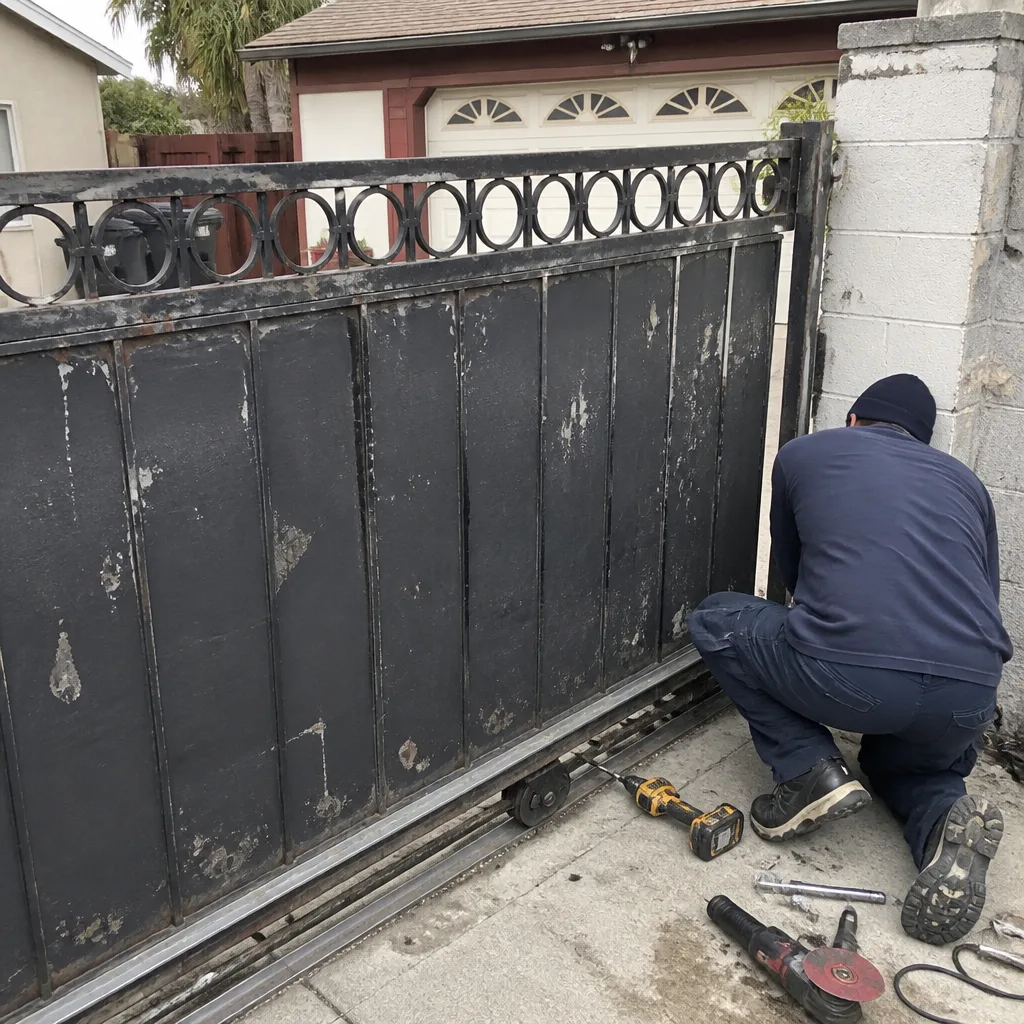 Before
 After
After Before
 After
AfterGate Opens Partway and Stops
A gate that opens partway and stops is almost always caused by one of four things: a limit setting that needs adjustment, a failing or broken drive motor, an obstruction the gate’s safety sensors detected, or a mechanical problem in the drive mechanism itself – worn gears, a loose chain, or a damaged rack. Most of these are diagnosable before a technician arrives based on what you see and hear. All of them are fixable.
When a gate stalls mid-travel, the opener is usually trying to tell you something. Modern gate operators – LiftMaster, FAAC, Viking, and the others we service – have built-in load sensing. When the motor feels more resistance than the limit settings allow, it stops rather than burn itself out or shove through whatever is blocking it. That’s the system working as designed. The problem is figuring out why it’s sensing that resistance, because the answer changes the repair completely.
Why It Happens
Limit Settings Are Off
Every gate opener has travel limits – electronic or mechanical stops that tell it “this is fully open” and “this is fully closed.” When those limits drift out of calibration, the opener stops at the wrong point because it thinks it’s done. You’ll usually notice this happening consistently: the gate stops at the same spot every single time, not randomly. There’s no grinding noise, no straining sound – just a clean stop at an arbitrary point. This is one of the most common reasons we get called, and it’s often the easiest fix.
Safety Sensor or Edge Obstruction
Gate openers are required to stop if they detect an obstacle – that’s what the safety reversing edges and photocell beams are for. If a sensor is dirty, misaligned, or partially failed, the opener may stop mid-travel as if something is in the way even when nothing is. Look along the gate’s path for anything physically blocking it – debris, a shifted post, settled ground that’s raised up under the gate’s path. Then check whether any sensor lights are blinking or off when they’re normally solid. A sensor issue often produces inconsistent stopping – sometimes the gate makes it farther, sometimes less.
Motor or Drive Mechanism Wear
Gate motors work hard, especially on heavy ornamental iron or long sliding gates. Over time, the internal gears wear, the motor windings weaken, or the capacitor that helps the motor start under load begins to fail. When a motor is struggling, you’ll often hear it: a labored humming or a grinding sound before the gate stops. A chain-drive unit might also show a visibly loose or jumping chain. If the gate stops in different spots depending on temperature or time of day, that’s a strong sign the motor is losing output – it performs worse when it’s hot or cold, and a weakened unit will stall sooner under those conditions.
Mechanical Binding in the Gate Itself
Sometimes the problem isn’t the opener at all – it’s the gate. A hinge that’s seized, a wheel that’s worn flat on a sliding gate, a rack gear with a broken tooth, or a post that’s shifted and is now in the gate’s travel path will all cause the opener to stop because it genuinely cannot push or pull through. Walk the full travel path of your gate slowly and look for anything that catches, scrapes, or sits at an odd angle. If you can push the gate by hand in manual mode and feel resistance at a specific spot, that’s your answer – there’s a mechanical bind, not a settings or motor issue.
What to Do Right Now
- Stop cycling the gate. Running a motor against resistance – whether it’s a bind, a failed component, or a sensor fault – can turn a moderate repair into a motor replacement. One or two test cycles to observe the behavior is enough. After that, leave it.
- Put the gate in manual mode if it’s safe to do so. Most operators have a manual release so you can move the gate by hand. If you can do this without the gate being under any spring tension, gently push it through its travel and feel for the point where it gets hard to move. That’s diagnostic information worth noting. Do not force it if it resists – note where it stops and leave it there.
- Check the path for obvious obstructions. Leaves, gravel, a shifted concrete pad edge, a decorative stone that’s rolled into the track – all of these can trip a safety sensor or physically bind a sliding gate. Look carefully at ground level along the full travel path.
- Look at your sensor lights. Photocell sensors typically have indicator lights. If one is off, blinking, or a different color than normal, photograph it. That photo is useful for your technician and helps us arrive with the right part.
- Do not attempt to adjust springs, cables, or internal motor wiring yourself. Counterbalance springs on heavy gates hold significant stored energy and can cause serious injury if released without the right tools and training. Electrical components in an outdoor environment carry real shock risk. Photograph what you see, note what you hear, and call us – that information is genuinely useful; taking the repair apart yourself usually isn’t.
How We Fix It
When your local Warden Gate Repair technician arrives, the first thing they do is watch the gate move – or try to move – before touching anything. That live observation, combined with what you tell them about when it started and what it sounds like, usually points to the cause within a few minutes.
From there, they’ll check limit settings and sensor alignment first, because those are fast to confirm and fast to fix. If the drive mechanism is the issue – worn gears, a slipping chain, a damaged rack section – they’ll show you exactly what failed and walk you through the written price before any work starts. No exceptions; that’s how every Warden job works.
Most mid-travel stall repairs fall under our Gate Repair or Electric Gate Repair services, and the majority are completed in a single visit. Before the technician leaves, every repair is covered by our 365-Day Done Right Promise: if it fails, the return visit is free. That’s in writing, on every job.
Frequently Asked Questions
It depends on where it stopped and what caused it. A gate stuck partway open is a security gap – your property isn’t secured the way it’s meant to be. If it stopped due to a mechanical bind or a failing motor, continuing to cycle it can cause the gate to move unexpectedly or worsen the damage. Don’t keep running it. Call (828) 426-7081 – a live person answers around the clock, every day of the year.
In many cases, yes. Gate repairs – including mid-travel stall diagnoses – are handled as priority service by your local Warden team. Whether same-day scheduling is available depends on your area and current demand. Call (828) 426-7081 and our team will tell you exactly what’s available; they’re there to take the call right now.
Yes, always. A written price is delivered before any work starts on every Warden job – no exceptions, no surprise line items after the fact. Your technician will diagnose the problem, explain what it needs, and put the price in writing. You approve it before a single part is touched.
We’re factory-trained on nine brands: LiftMaster, FAAC, BFT, Linear, Viking, Ghost Controls, DoorKing, Elite, and Mighty Mule. If your opener is one of those, your technician arrives knowing the system and carrying parts specific to it. If you’re not sure which brand you have, a photo of the operator head is usually enough to identify it – you can send it when you call.
Get It Fixed
Call (828) 426-7081 – a live person answers 24 hours a day, 365 days a year. Your local Warden Gate Repair team will schedule the visit, send your technician’s name and photo before they arrive, and put a written price in front of you before any work starts. Book online or call now.
Written by Cole Rafferty, Owner at Warden Gate Repair, part of the Threshold Group family since 2008.
What Our Customers Say
"Fair price and no pushing a whole new gate when all I needed was a new motor capacitor."
- Shirley A."The vetted tech thing was important since our gate protects the whole property. Careful, polite, and walked me through every safety sensor."
- Russell W."Swing gate wouldn't latch after the hinge sagged. He re-hung it, adjusted the hinge pins, and fixed the latch. Quoted before starting."
- Annette R.