
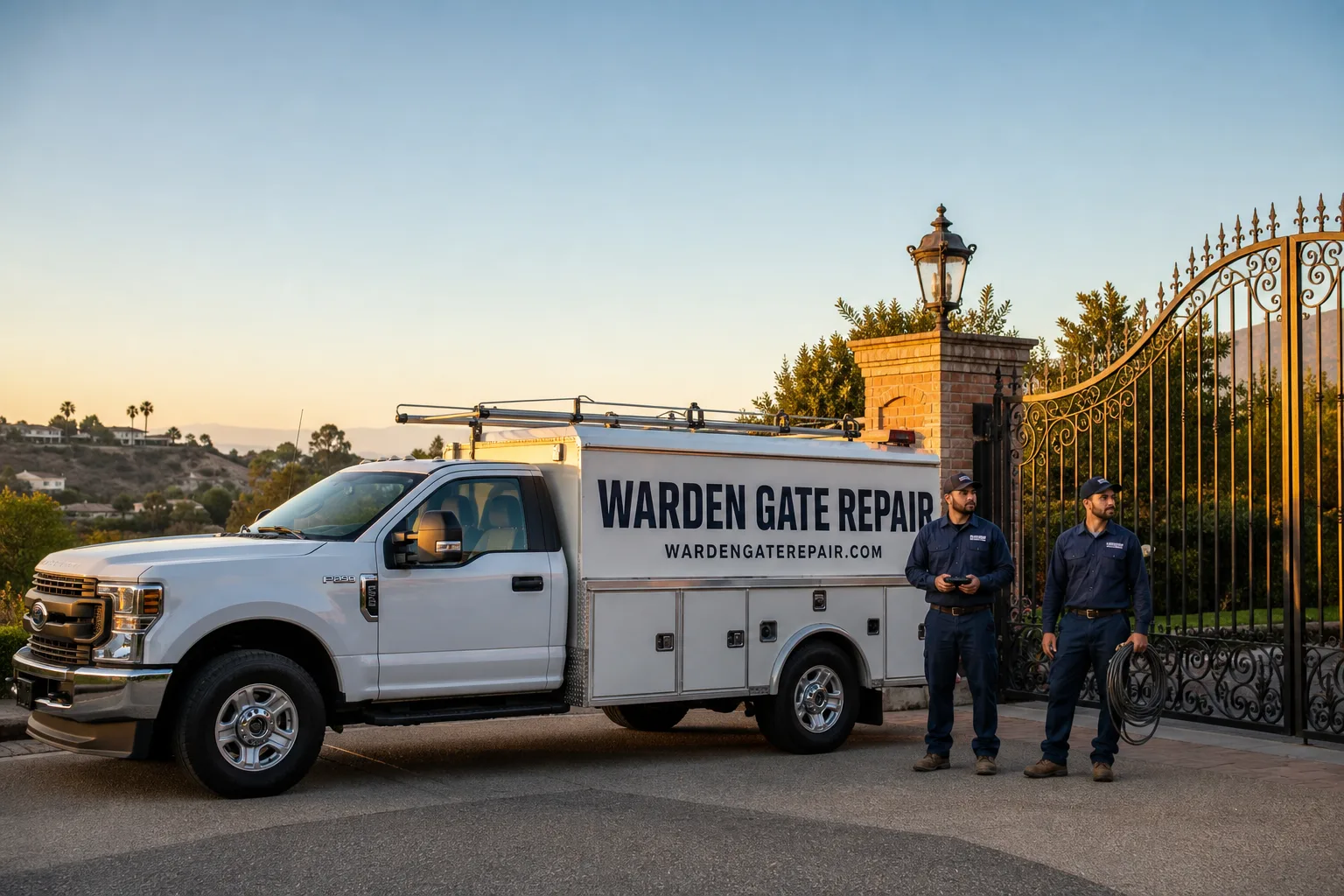
Free on-site gate assessment - hinges, posts, and your LiftMaster or Nice gate operator checked before anything is quoted
The assessment is free and the quote is the invoice.
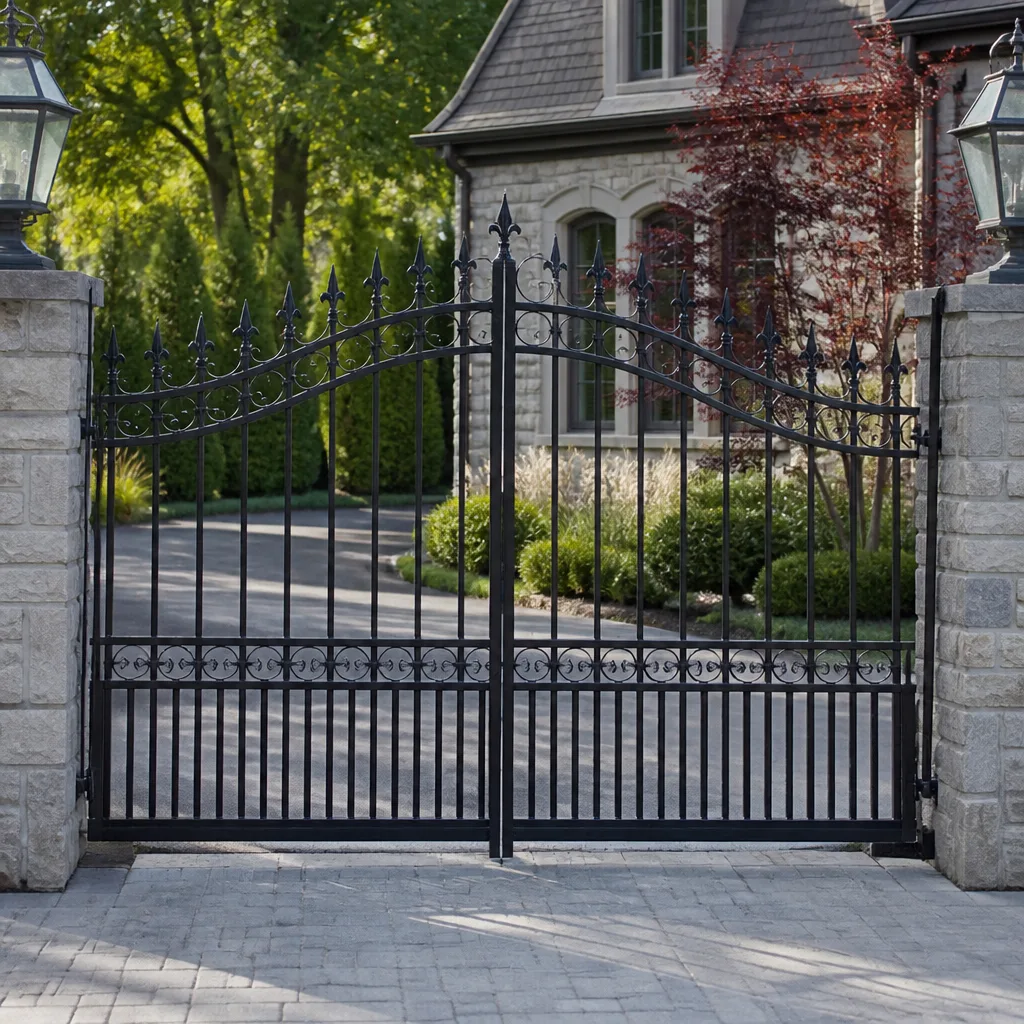
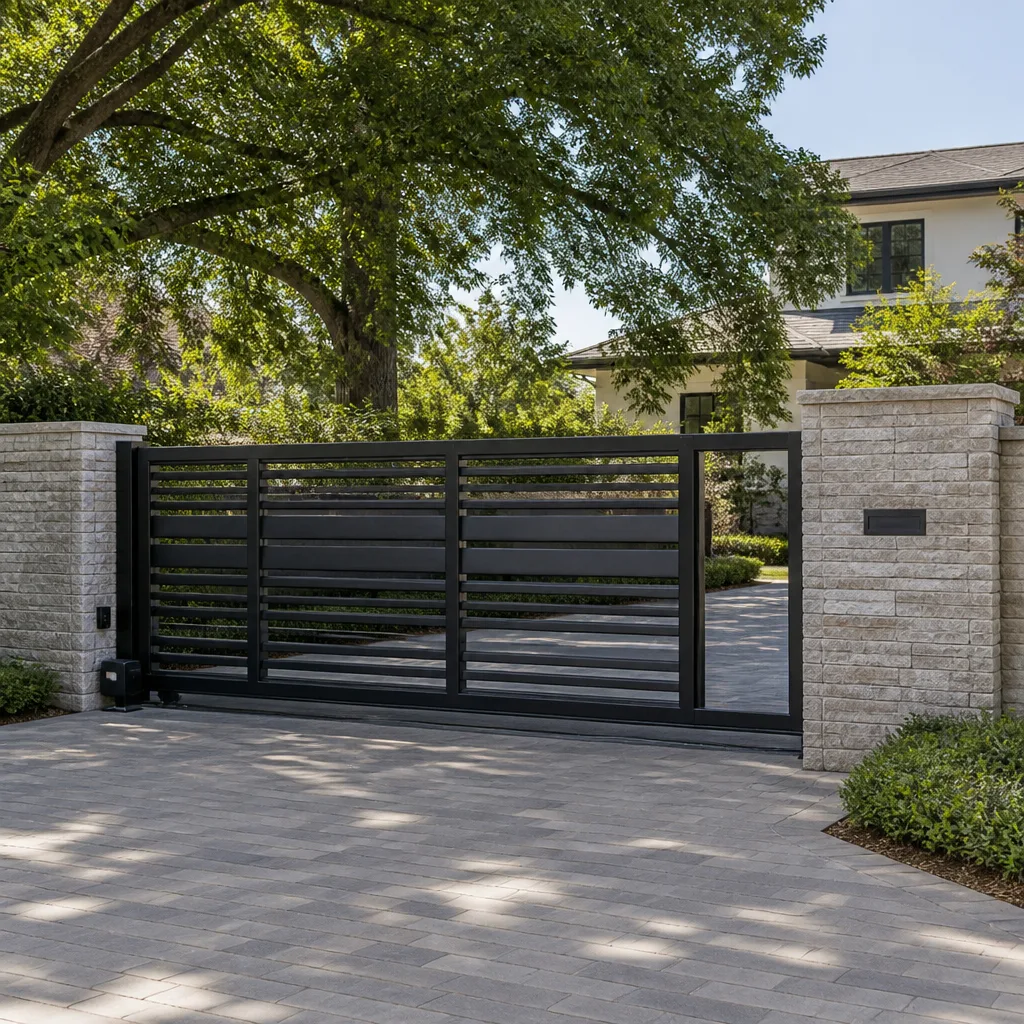
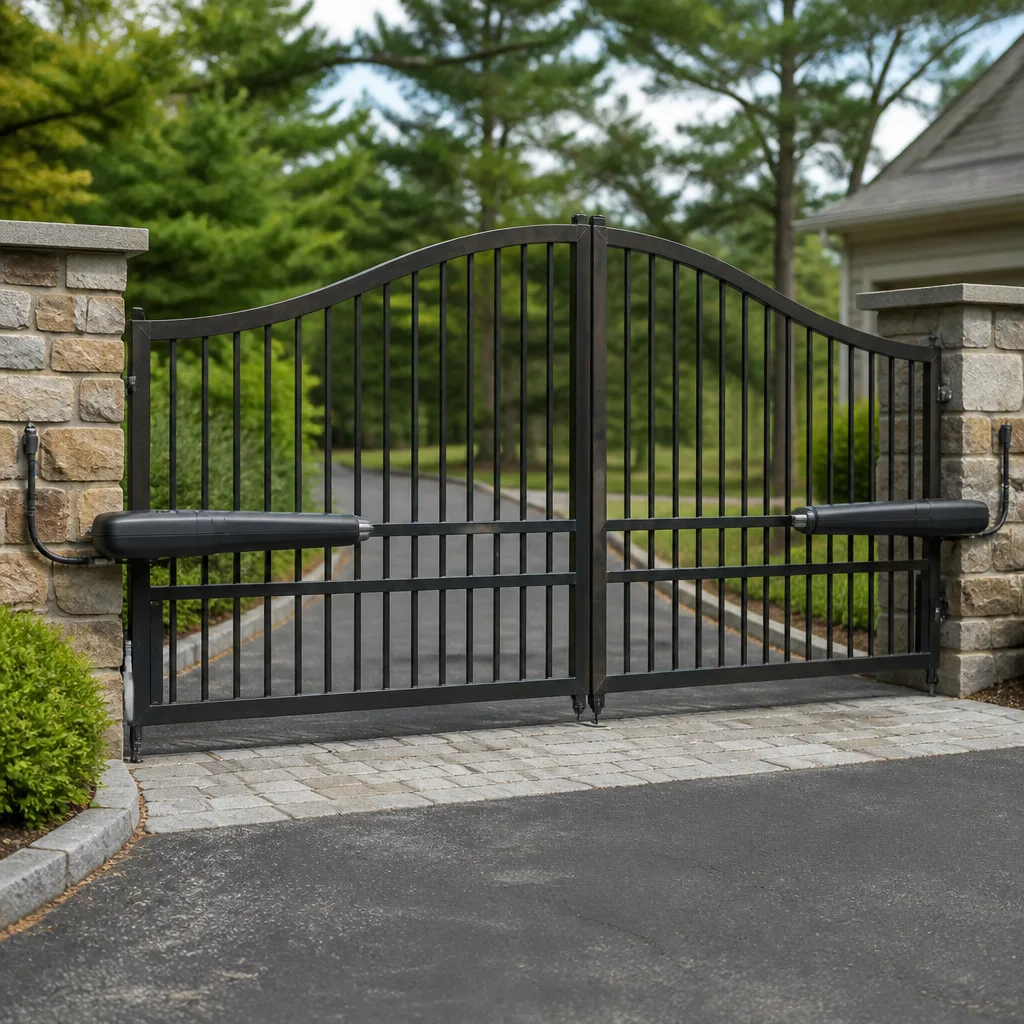
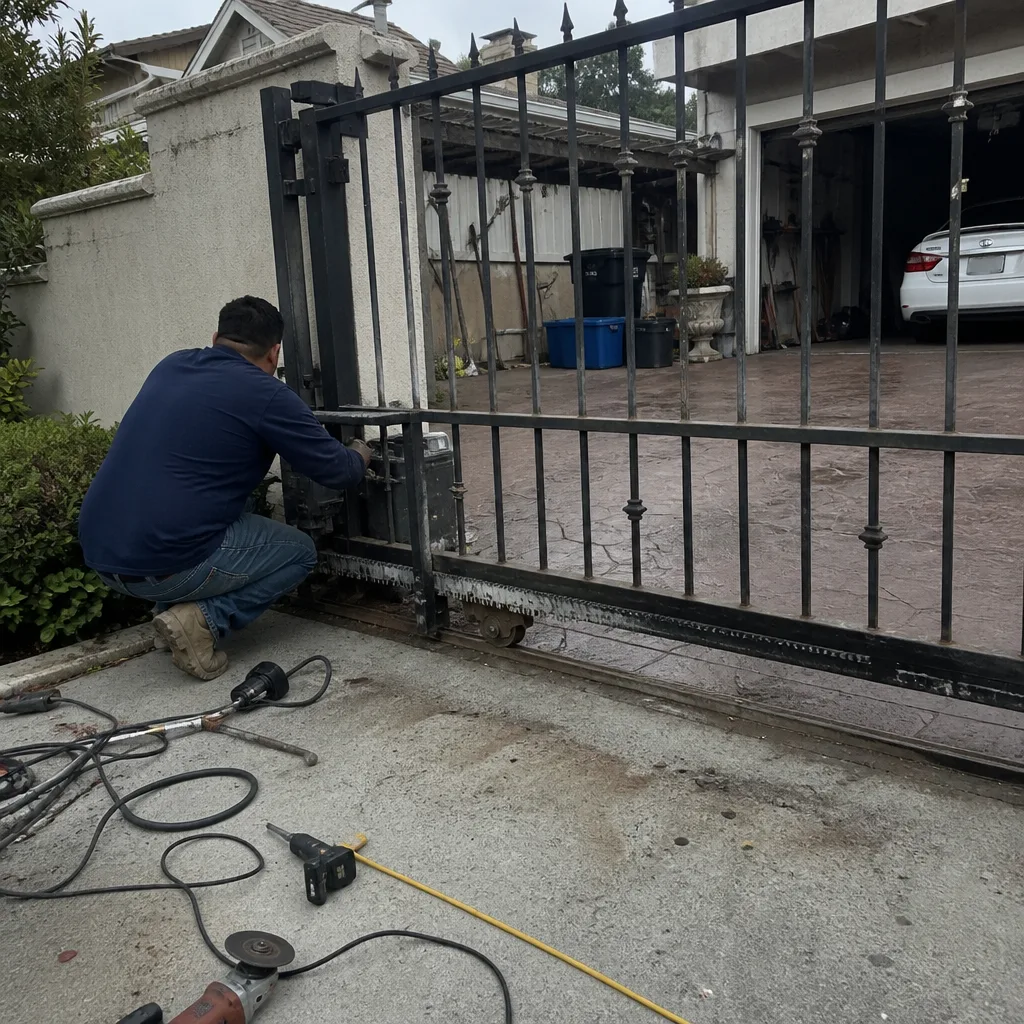 Before
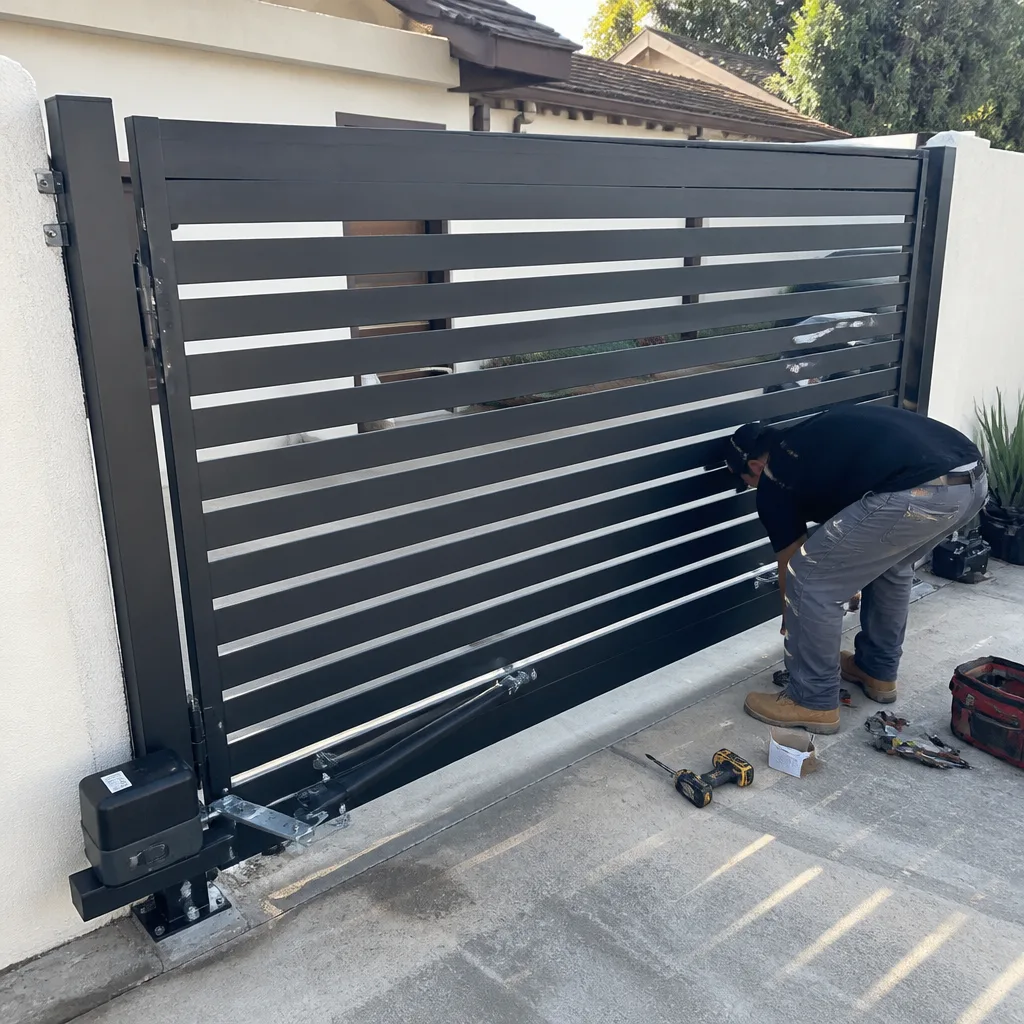 After
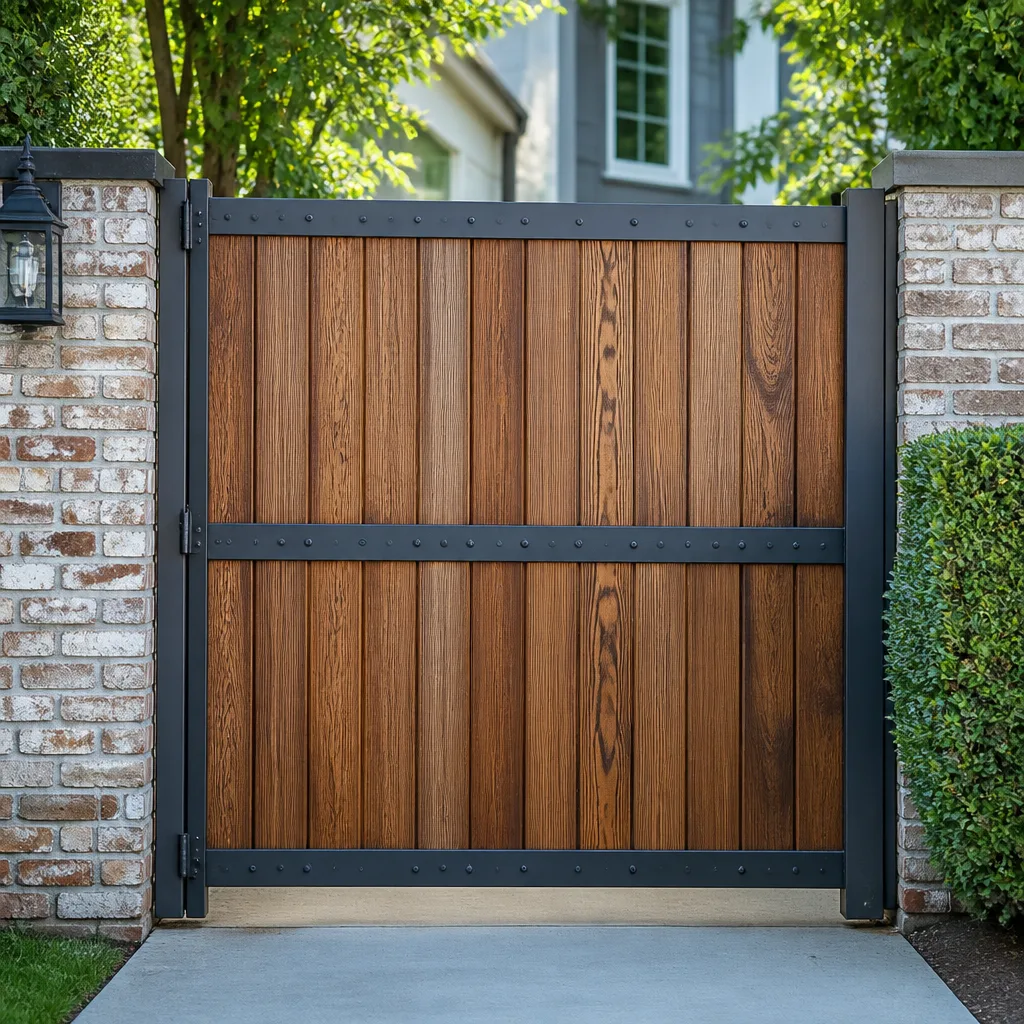
After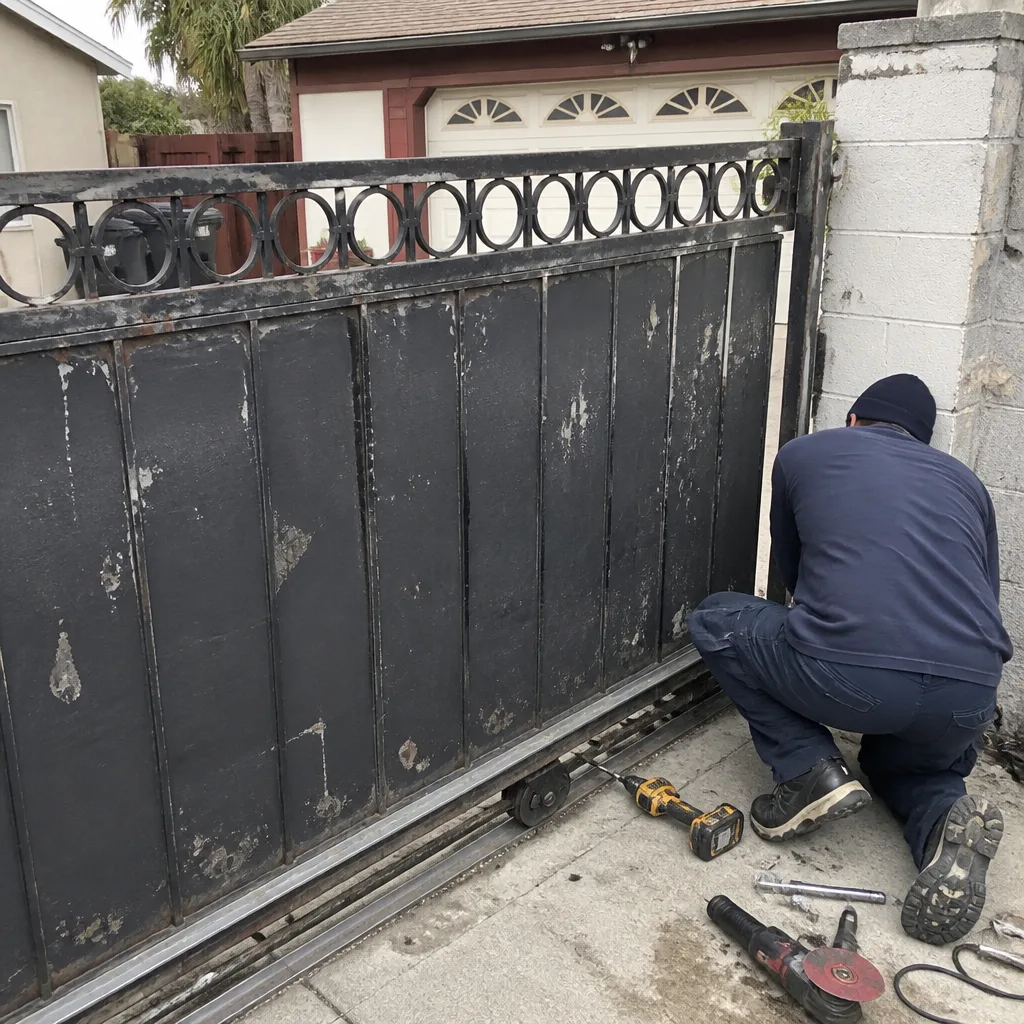 Before
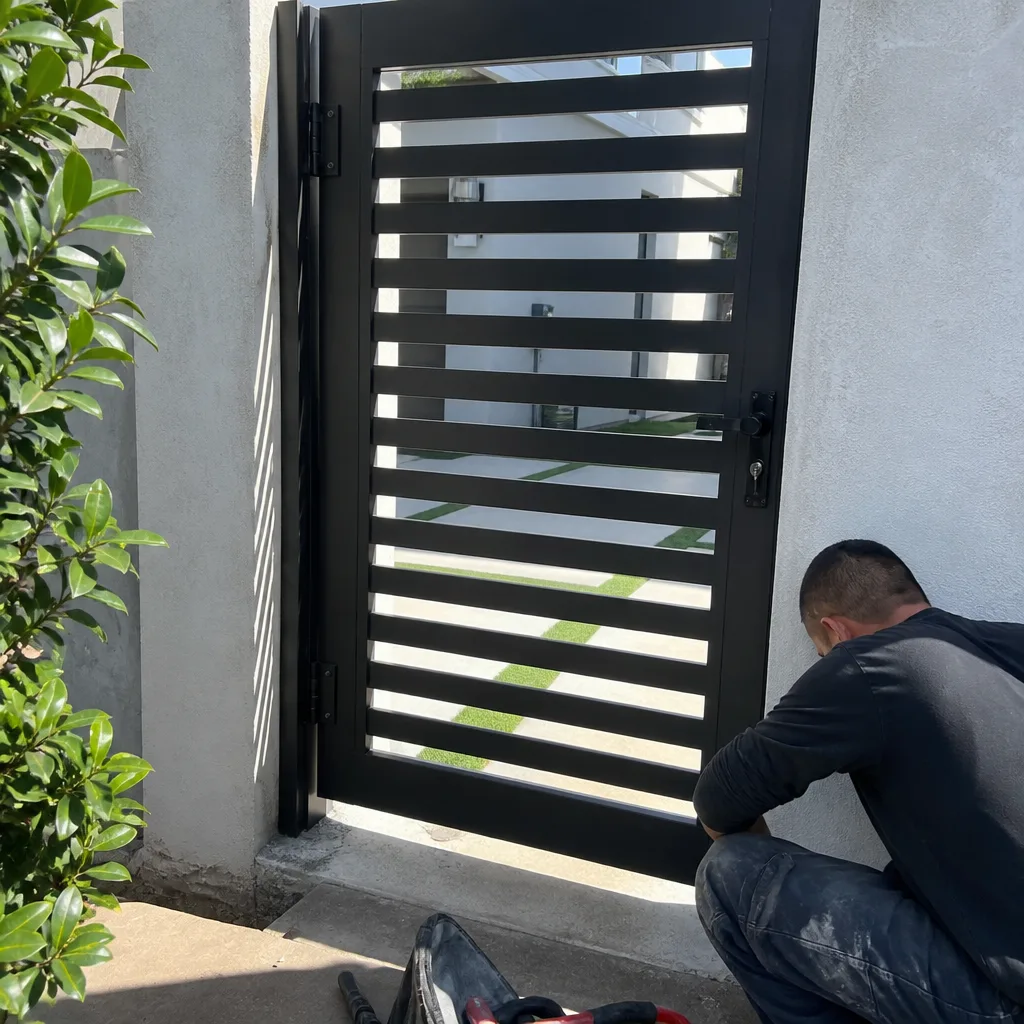 After
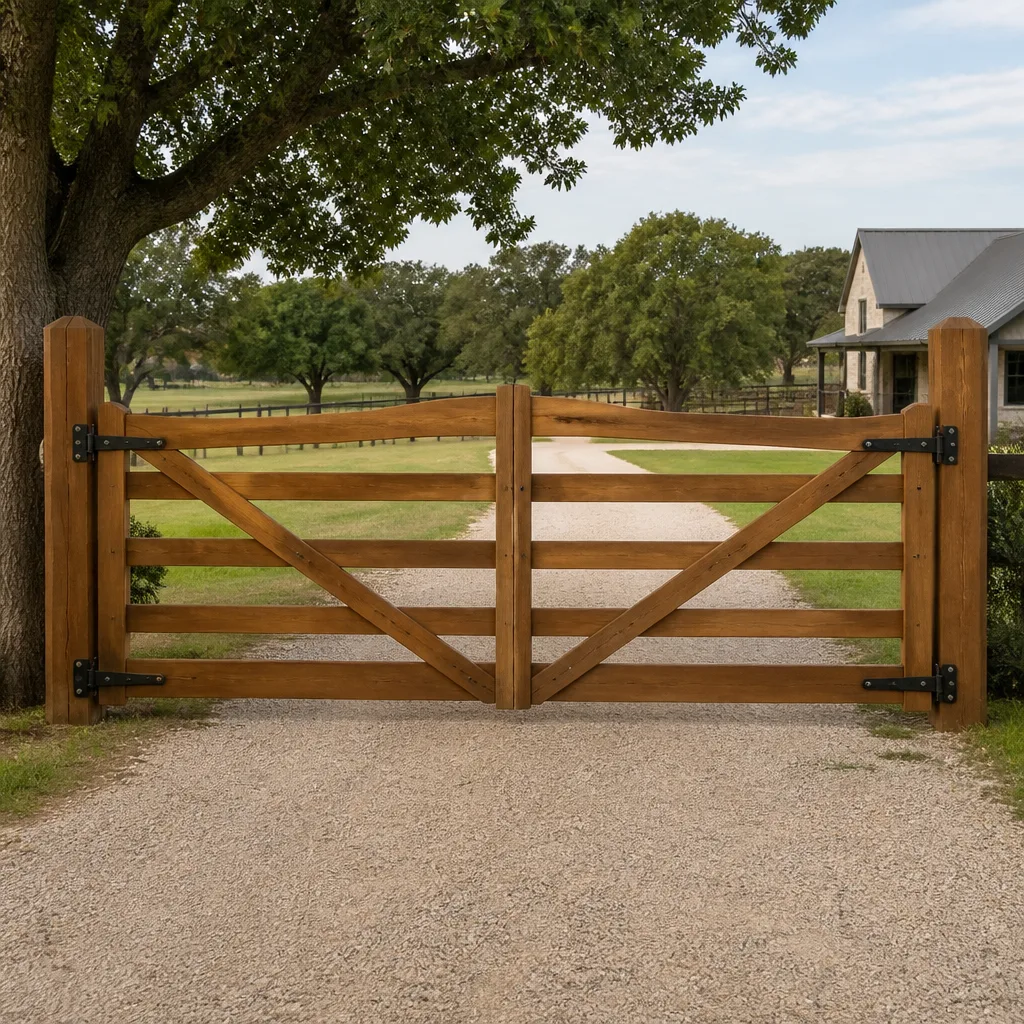
After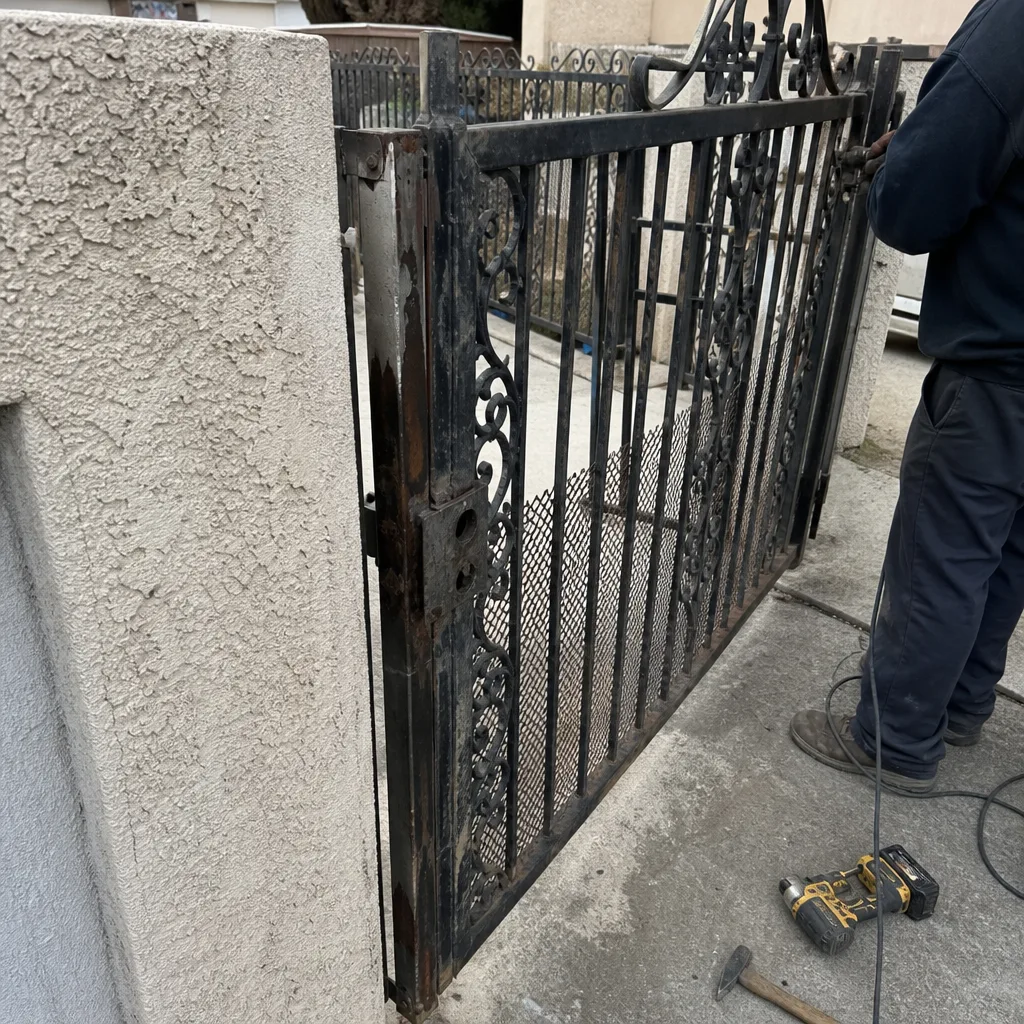 Before
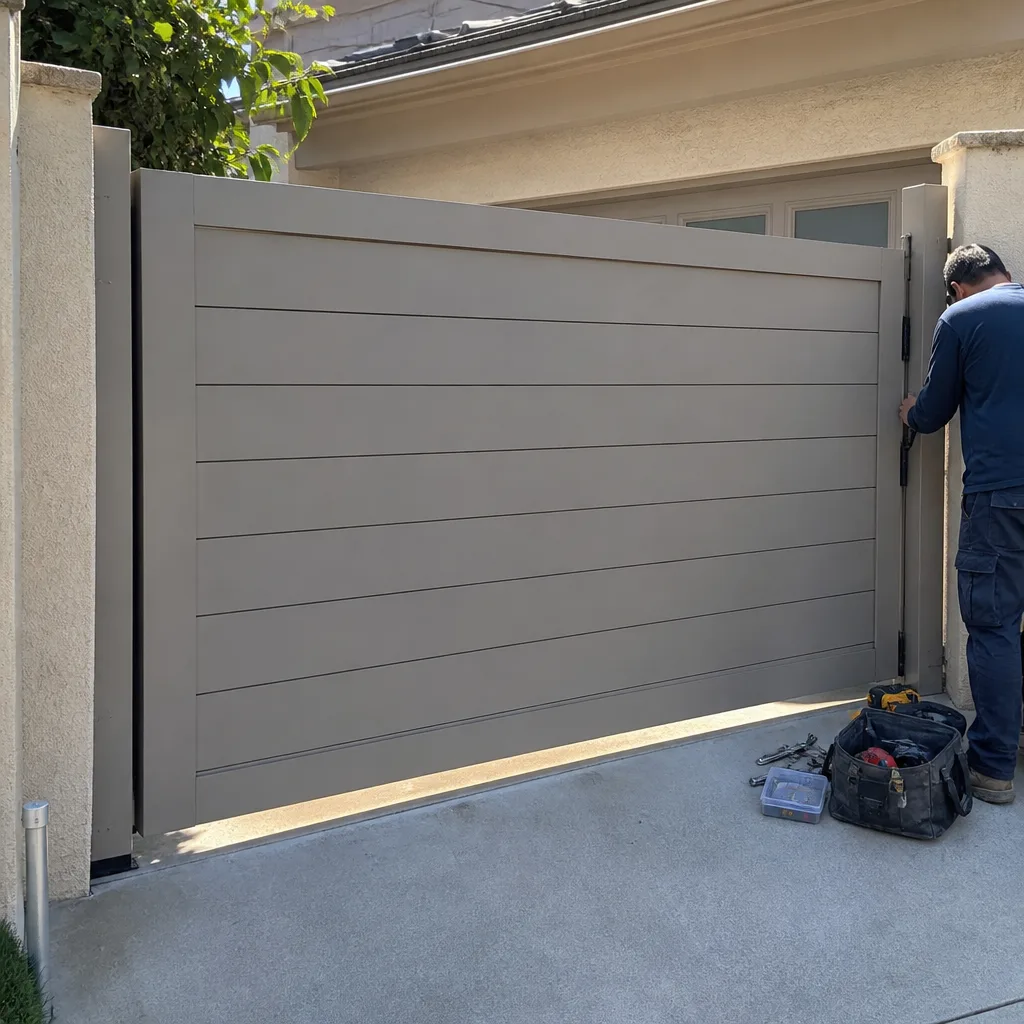 After
AfterFast, Reliable Electric Gate Repair Across Stanford
Electric gate repair in Stanford typically runs $185 – $485 for most motor, sensor, and alignment work, and we can usually have a technician at your property the same day. Stanford isn’t a typical service area – the university owns nearly all the land, which means repair work in faculty housing and research facilities often requires a university work authorization before we touch anything. Our Electric Gate Repair team knows this institutional layer and starts every Stanford job by confirming the right approvals are in place. Call (828) 426-7081 for a free estimate and a written price before any work begins.
Why Warden Gate Repair Is Stanford’s Preferred Electric Gate Repair Company
We’ve worked on gates across the Stanford campus footprint for years – from the faculty housing clusters off Junipero Serra to the corporate entrances in Stanford Research Park. Every Stanford job starts the same way: a live person answers the phone, schedules the visit, and sends you the technician’s name and photo before they arrive. Our techs are background-checked, identity-verified, and photo-badged under what we call the Threshold Standard. You’ll see their badge at the door before they step onto your property.
Stanford customers return to us because we understand how university design review works. When a faculty housing gate needs a new operator or a hinge post replacement, the aesthetic standards matter – sandstone-and-wrought-iron or neutral wood-panel styles are typical. We quote accordingly, in writing, before any work starts. Cole Rafferty, who leads our team, insists on that: no anonymous technician, no vague estimate, no surprise line items. And the 365-Day Done Right Promise covers every repair. If it fails, the return visit is free.
Electric Gate Motor in Stanford
An Electric Gate Motor (the box that slides or swings your gate automatically) is the most common repair we handle across Stanford. In the 1950s through 1980s faculty housing clusters, we often find motors that were installed decades ago and are now fighting worn rack-and-pinion gears, corroded capacitors, or dead relays. When the motor fault is electrical rather than mechanical, a retrofit with a current Viking or Ghost Controls operator may save the gate and the existing track; when the housing is cracked or the gearbox is stripped, replacement is cheaper than repeated band-aid fixes. Motor repair in Stanford runs $225 – $485 depending on the operator type.
When a retrofit makes sense
Some legacy operators can be brought up to current safety standards without full replacement. If the chassis is sound and the arm or chain track is straight, we can often fit a new control board, new photo-eyes, and a fresh receiver antenna. That satisfies UL 325 entrapment requirements and keeps a historic gate looking as Stanford expects.
When replacement is the cheaper answer
If the motor is over about 20 years old and the parts are obsolete, a board fault often forces a complete operator swap. In those cases we quote a full replacement with a current brand – Viking, Ghost Controls, DoorKing, or Elite depending on the gate type – and install it the same visit when parts are stocked locally.
Gate Access Control in Stanford
Gate Access Control in Stanford means keypads, remote receivers, loop detectors, and intercom or phone-entry systems that decide who gets in. The Stanford Research Park adds commercial vehicle-access gates to the mix, and those demand loop detectors that cut through the campus’s high volume of daily traffic without false triggers. Residential keypad entry runs $185 – $320 to repair or replace; commercial loop and intercom work in the Research Park typically runs $350 – $650 depending on scope. We stock keypad and loop detector parts for Stanford jobs specifically.
Keypad and remote entry
A dead keypad is often a corroded ribbon cable or a worn membrane, both quick fixes. We verify the code encryption, test range on remotes, and re-pair everything before we leave. No more standing at the gate in the rain with groceries while the opener refuses to respond.
Loop detectors for Research Park gates
Vehicle loop detectors buried in the asphalt of Research Park entrances wear out after about 10 to 15 years of heavy use. We test inductance, dig and replace failed loops, and tune sensitivity so delivery trucks don’t get stopped at an open gate while bicycles still trigger the sensor correctly.
Trusted Brands We Service in Stanford
We’re authorized service on Viking, Ghost Controls, DoorKing, and Elite, among others. Because Stanford’s housing stock spans five decades of gate hardware, we keep common Viking and DoorKing boards, photo-eyes, and keypad membranes stocked for Stanford jobs, which means faster turnarounds than a shop that orders every part after the diagnostic. A warden is trusted to watch over a place and keep it secure – that’s the whole idea behind a gate, and it informs which parts we still service versus which we tell you to retire.
Common Electric Gate Repair Problems We See in Stanford Homes
- Legacy control boards going obsolete. Gates built in the 1960s and 1970s faculty clusters often run proprietary boards that are no longer manufactured. A board fault can force a full operator swap rather than a chip replacement.
- Post heaving after winter rain. Stanford’s concentrated winter rains soak the clay soil near the Foothills, and the ground swells and shifts. Swing gate posts drift out of plumb, and the operator grinds against the misalignment until it faults.
- Warped wood gate panels. The long, dry Stanford summers crack and warp untreated wood gate sash. A binding panel loads the motor constantly and shortens its life, so seasonal sealing matters more here than in coastal cities.
- Missing safety photocells on pre-1990 gates. Gates hung before modern entrapment rules were written often lack working photo-eyes. That fails a UL 325 inspection and stalls any repair or approval through Stanford facilities management.
Pricing for Electric Gate Repair in Stanford, CA
Here are real working numbers for Stanford’s market. Gate motor repair: $225 – $485. Keypad or remote entry repair: $185 – $320. Safety sensor replacement: $150 – $280 per pair. Control board replacement: $240 – $410. Full operator swap on a legacy gate where parts are obsolete: $520 – $850. A commercial loop detector job in Stanford Research Park: $350 – $650. Every price is quoted in writing before any work starts. That’s not a promise we make loosely – it’s the rule. Call (828) 426-7081 for an exact quote for your gate, free.
We Also Serve Cities Near Stanford
Our Electric Gate Repair in Stanford coverage naturally extends to nearby Palo Alto, Menlo Park, Atherton, and Los Altos. The same Threshold Standard applies in every city we serve: named technician, photo before arrival, written price, and the 365-Day Done Right Promise.
Serving Stanford, CA - Our Local Coverage Area
We’re based in the Stanford area and know this community well. Use the map below to see our service coverage - if you’re nearby, we can almost certainly help.
FAQs About Electric Gate Repair in Stanford
Yes, in most cases a university work authorization is required before we touch a gate in Stanford-owned faculty or staff housing. Because Stanford University is the de facto landlord and land-use authority across virtually the whole area, electric gate work usually runs through Facilities Management and design review, not just a Santa Clara County permit. We handle that coordination for you, and we’ve built enough of a working relationship with Facilities Management that jobs don’t sit waiting. Call (828) 426-7081 and we’ll confirm the approval path for your specific property.
In our experience, a 1960s-era operator that keeps faulting is usually at the end of its serviceable life, but not always. We can often retrofit a newer control board and safety photo-eyes onto a sound mechanical base, keeping the gate’s original look. If the board is proprietary and discontinued, or the gearbox is worn beyond tolerance, a full operator swap is the cheaper long-term answer. We’ll diagnose and tell you straight, with a written price either way.
Stanford’s winter rain pattern saturates the clay-heavy soil on the slopes near the Foothills, and that soil heaves as it absorbs water, shifting post footings. In the faculty housing clusters off campus, our tech traced a LiftMaster gate operator that kept faulting at random to a sagging hinge post the wet soil had heaved out of plumb over winter. We did a sag correction on the post and footing, replaced the worn traveler and photo-eyes, and the slide gate has run clean since – with the university work authorization pulled first so the job was never held up.
Yes. We install and repair keypad entry systems, remote receivers, and buried loop detectors for commercial vehicle access gates throughout Stanford Research Park. Loop detector work includes testing inductance, replacing failed loops, and tuning sensitivity for the campus’s traffic mix. Expect $350 – $650 for a commercial loop or intercom job depending on scope. Call for a written quote before the work begins.
Yes. Any automated gate must meet current UL 325 entrapment requirements, which include working safety photo-cells positioned at the entrapment zones. Gates hung before those rules were written often lack photocells or have dead ones, and that fails inspection – which also means Stanford’s facilities review won’t sign off. We stock photo-eyes for the brands we service and can bring most pre-1990 gates into compliance the same visit.
If your gate is acting up in Stanford, call (828) 426-7081 now. A live person answers, 24/7, and we’ll schedule a free estimate with your technician’s name and photo sent before arrival. The price is written, the work is guaranteed, and the 365-Day Done Right Promise backs every repair.
Written by Cole Rafferty, Owner at Warden Gate Repair, serving Stanford since 2008.