
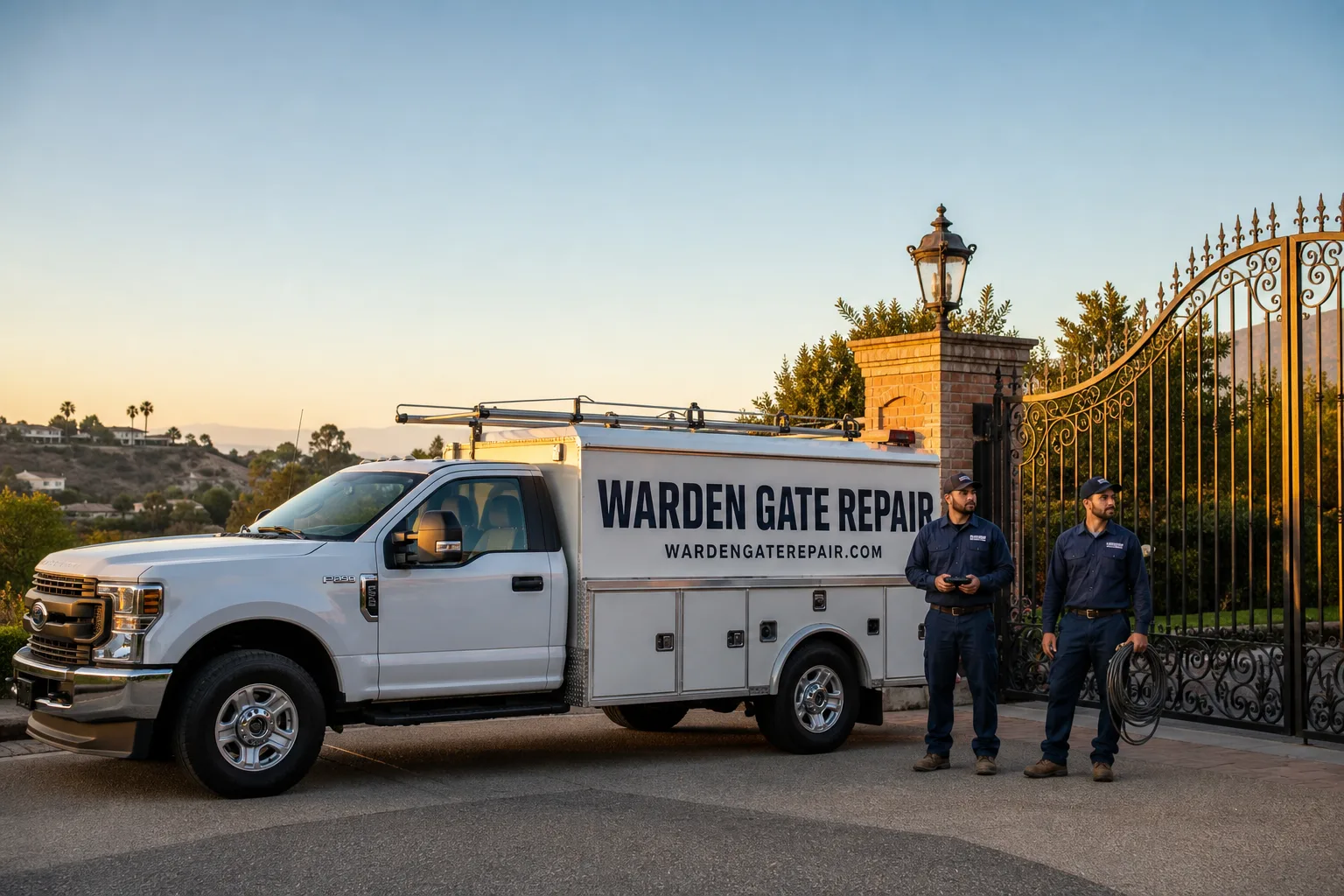
Free on-site gate assessment - hinges, posts, and your LiftMaster or Nice gate operator checked before anything is quoted
The assessment is free and the quote is the invoice.

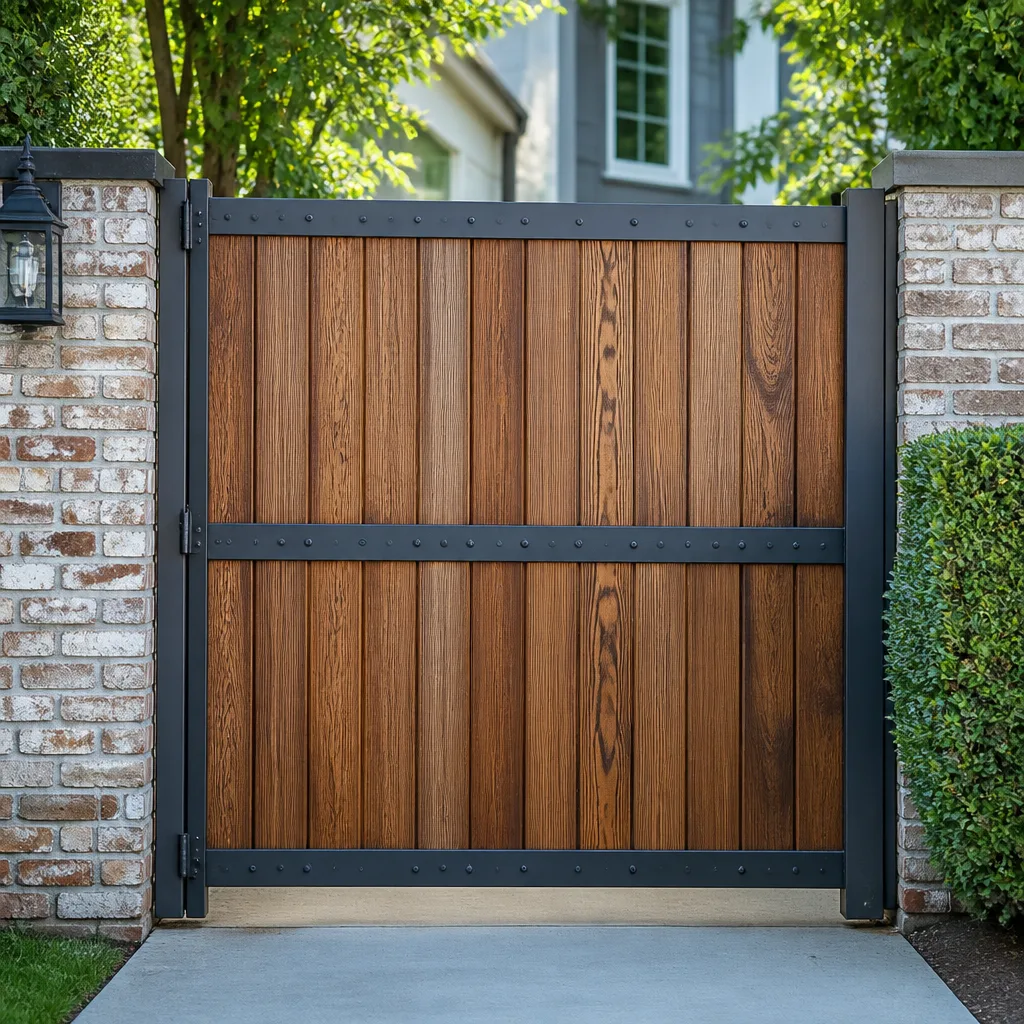
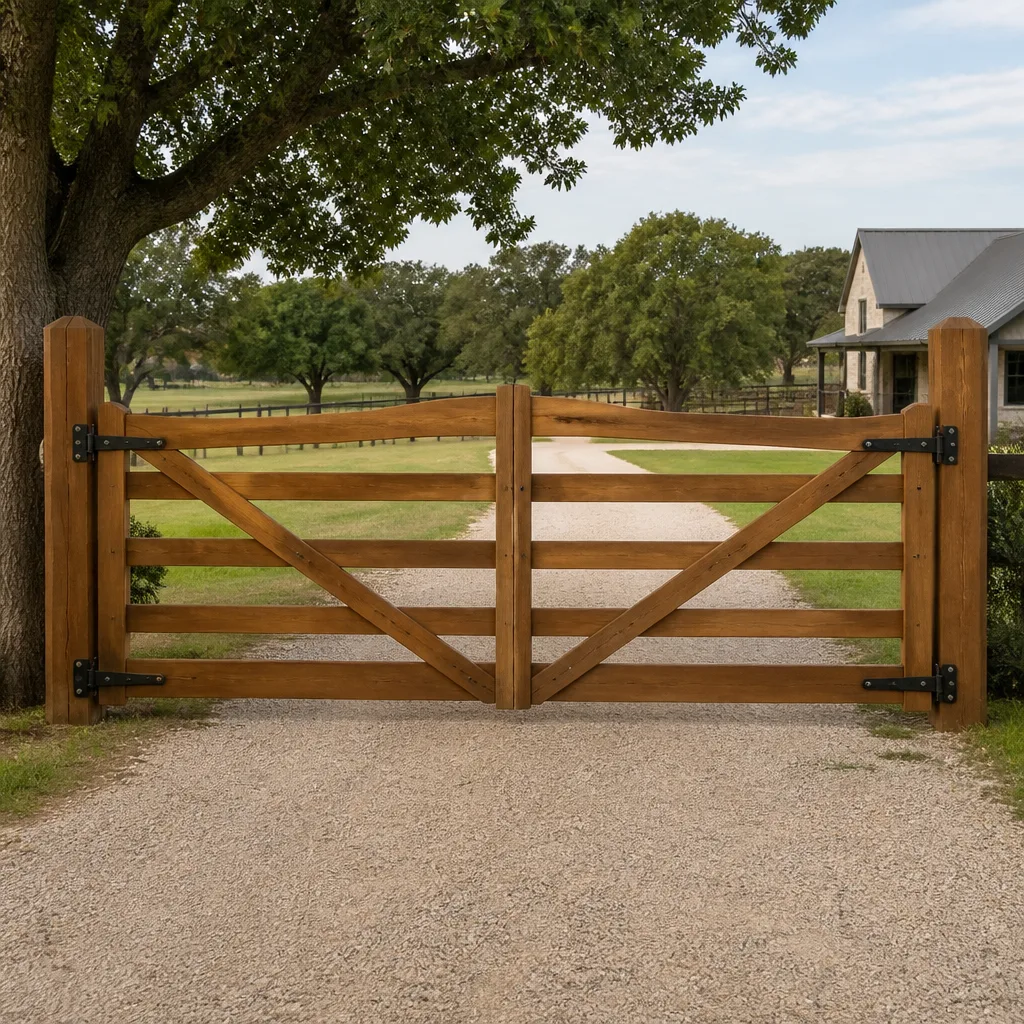
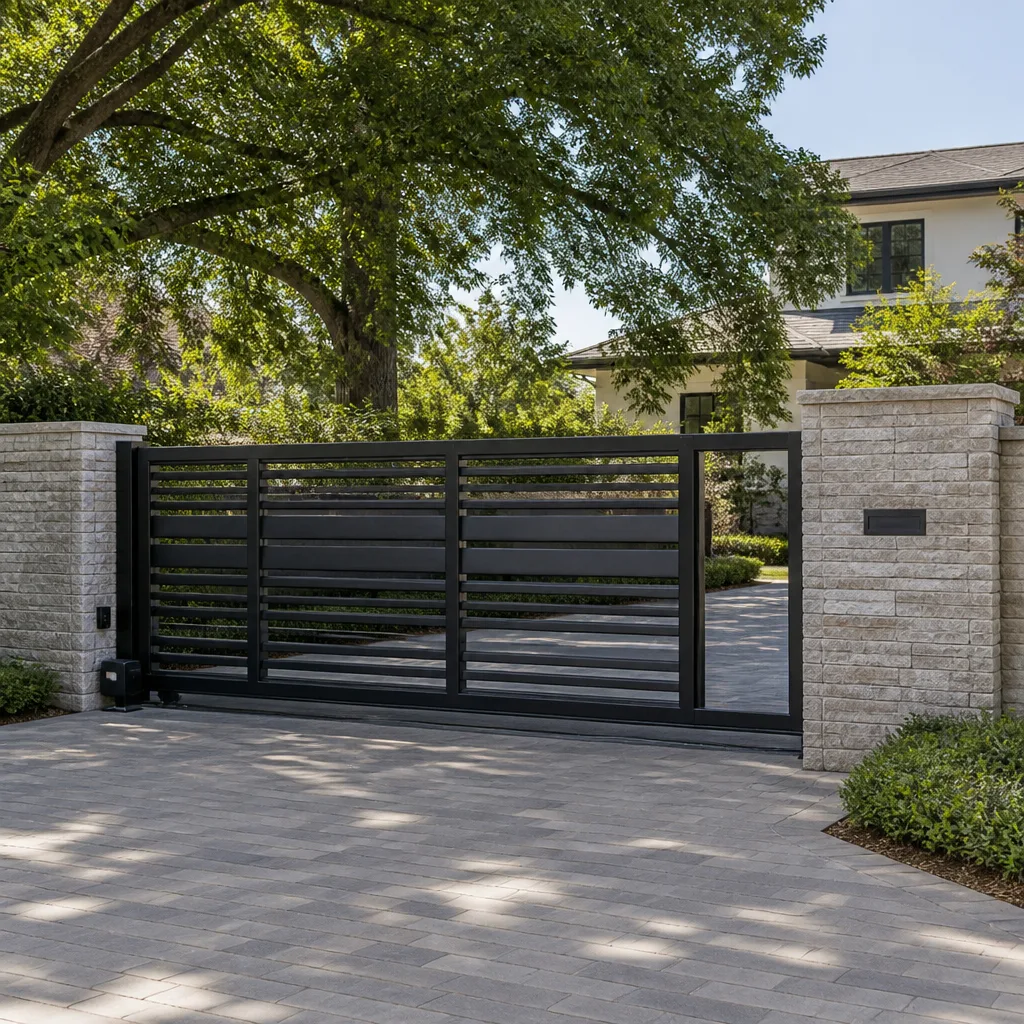
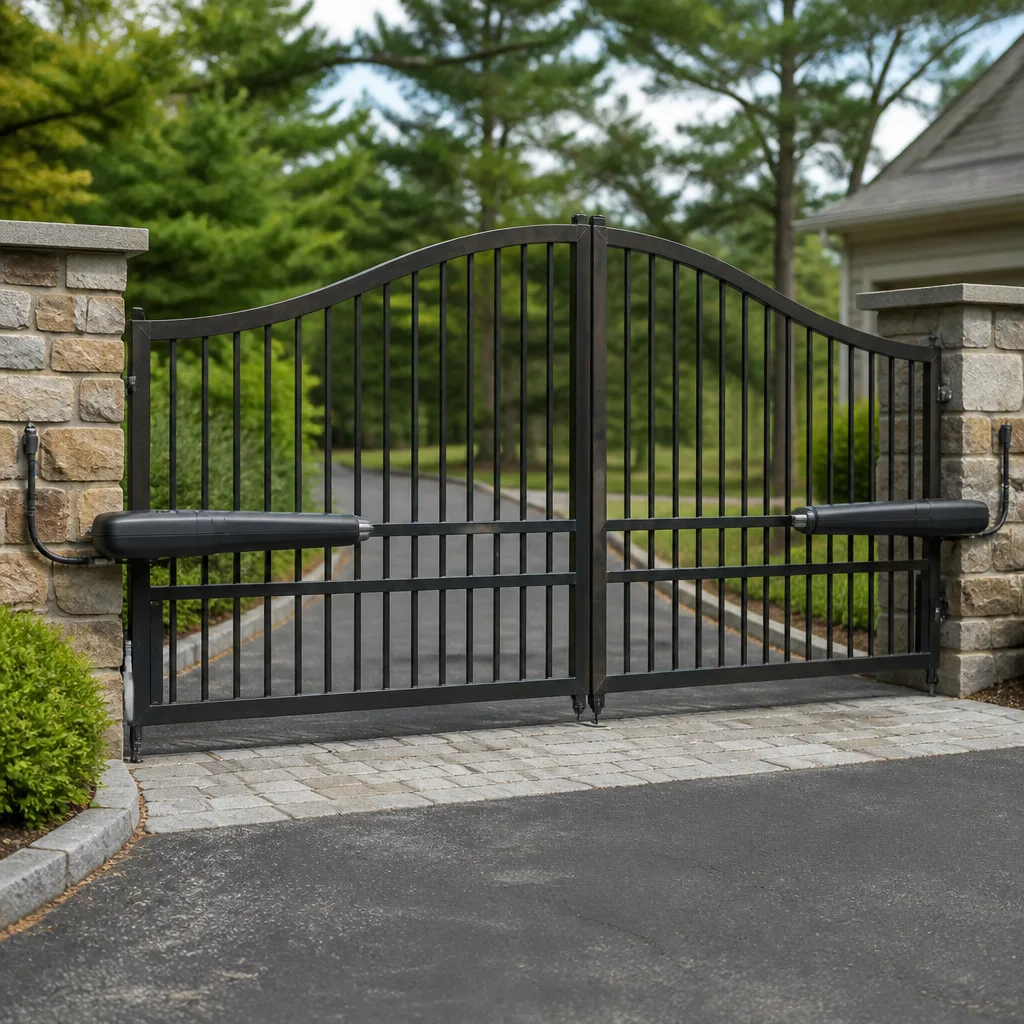
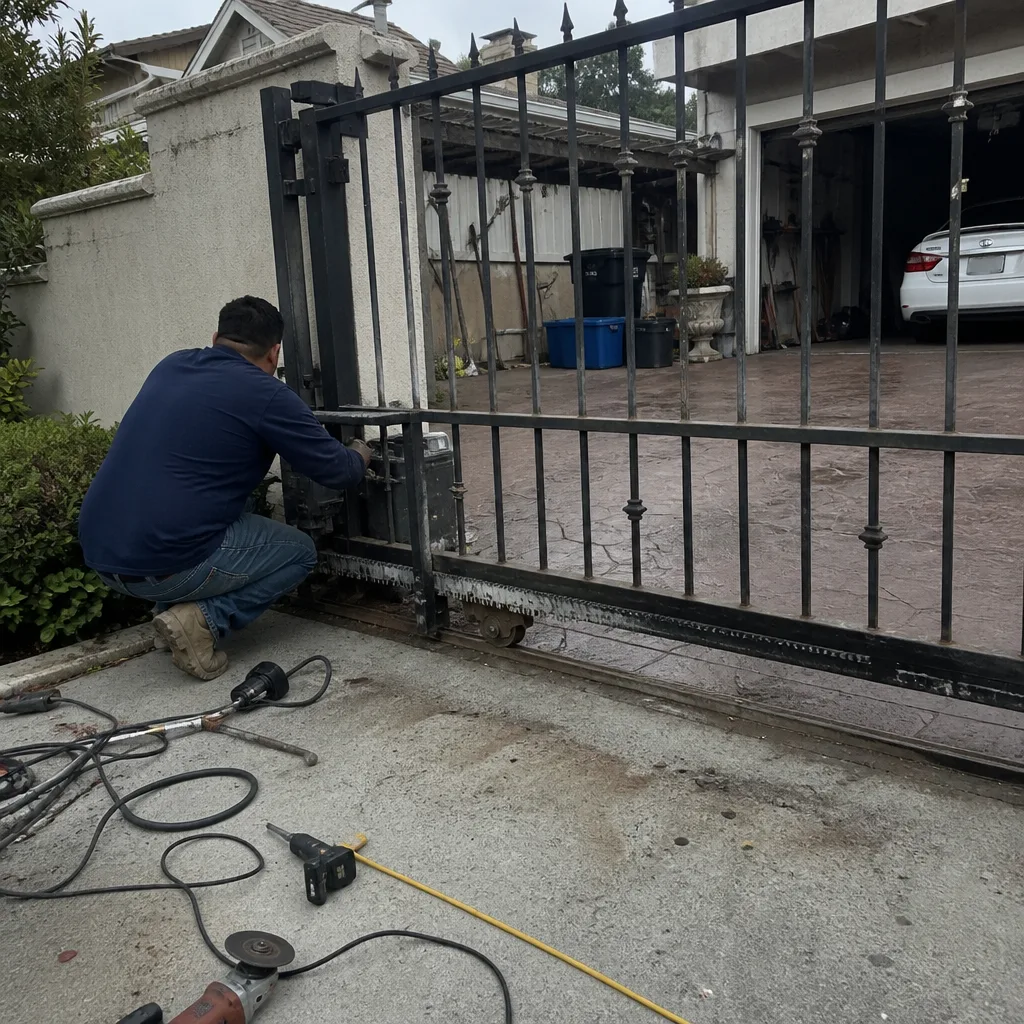 Before
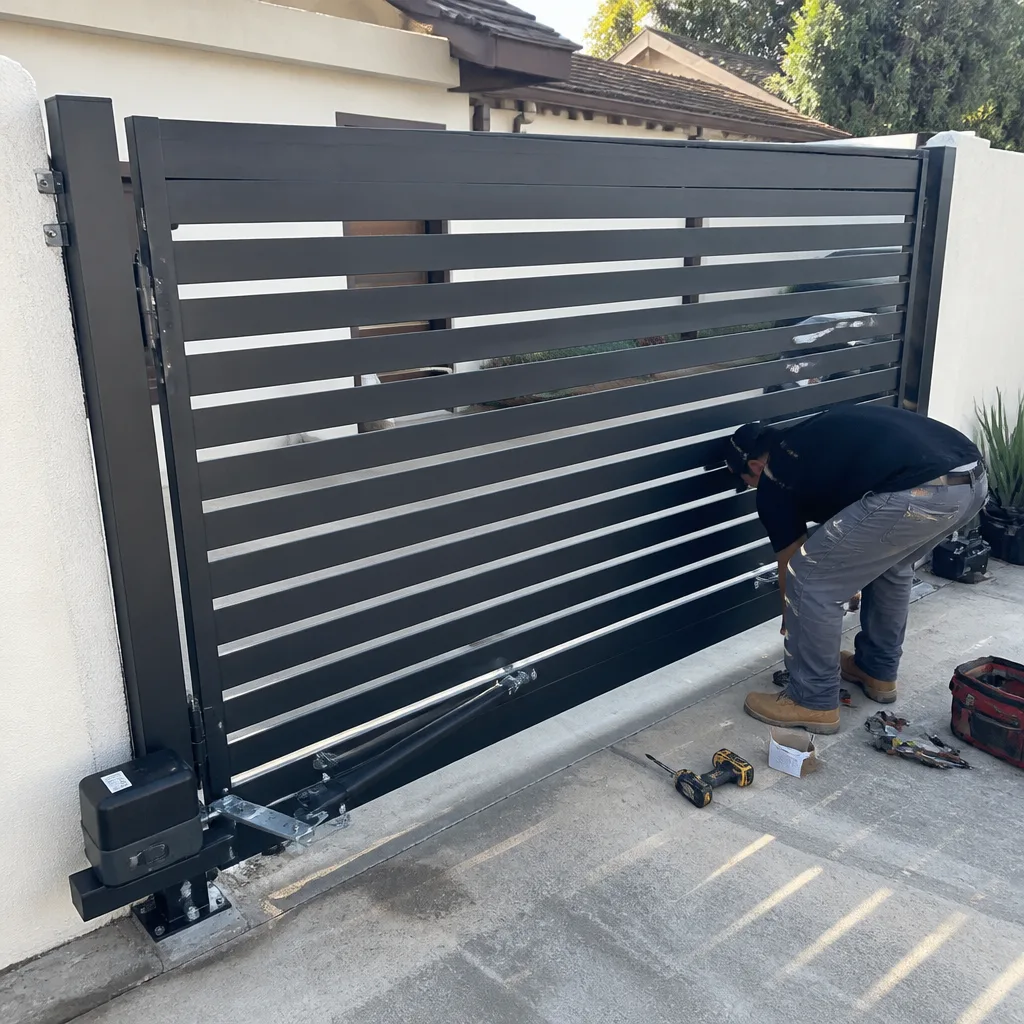 After
After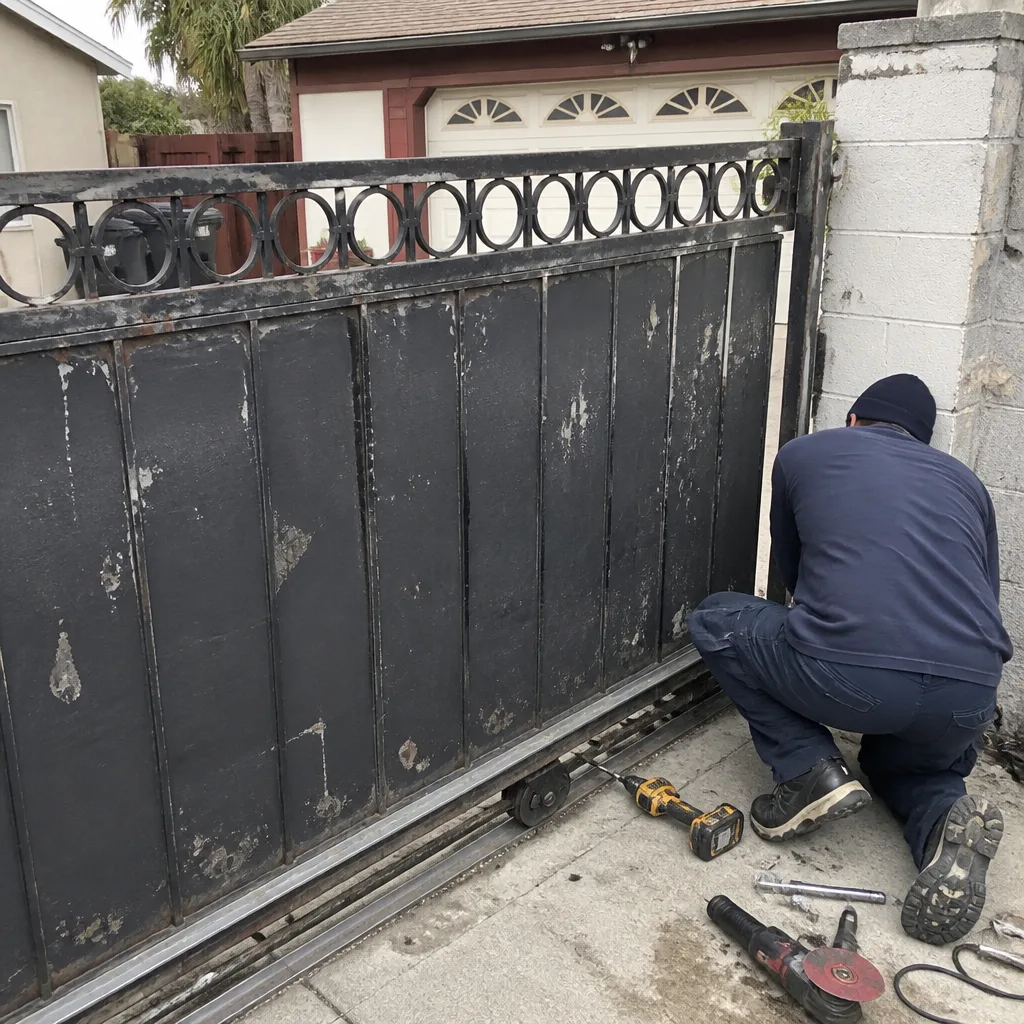 Before
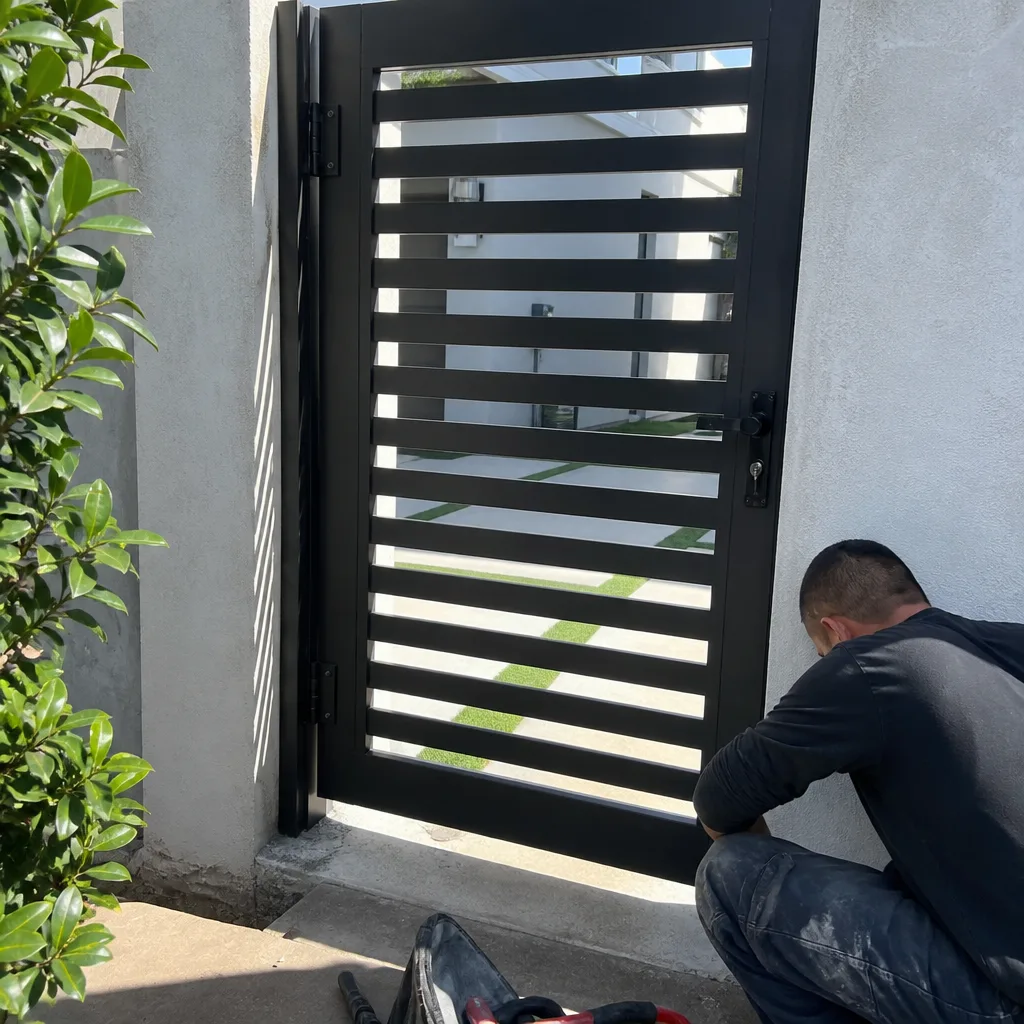 After
After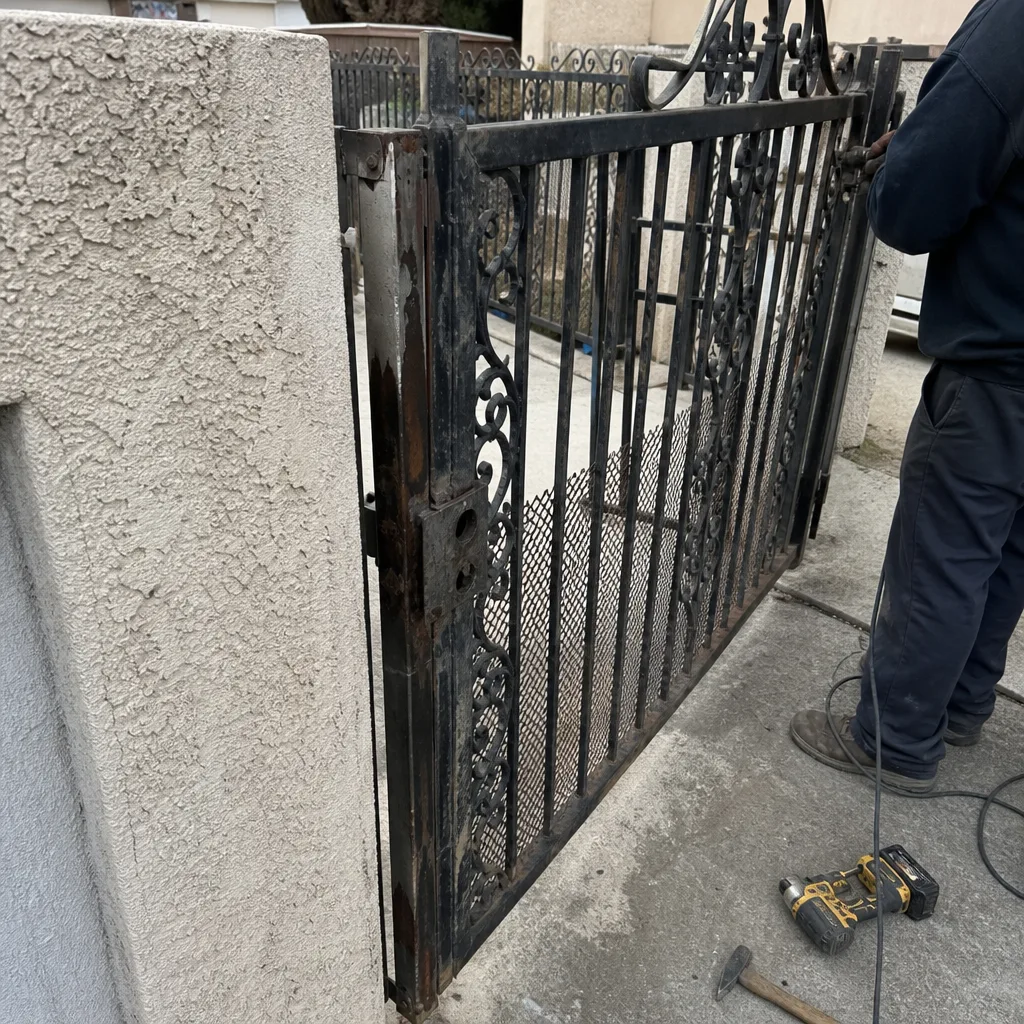 Before
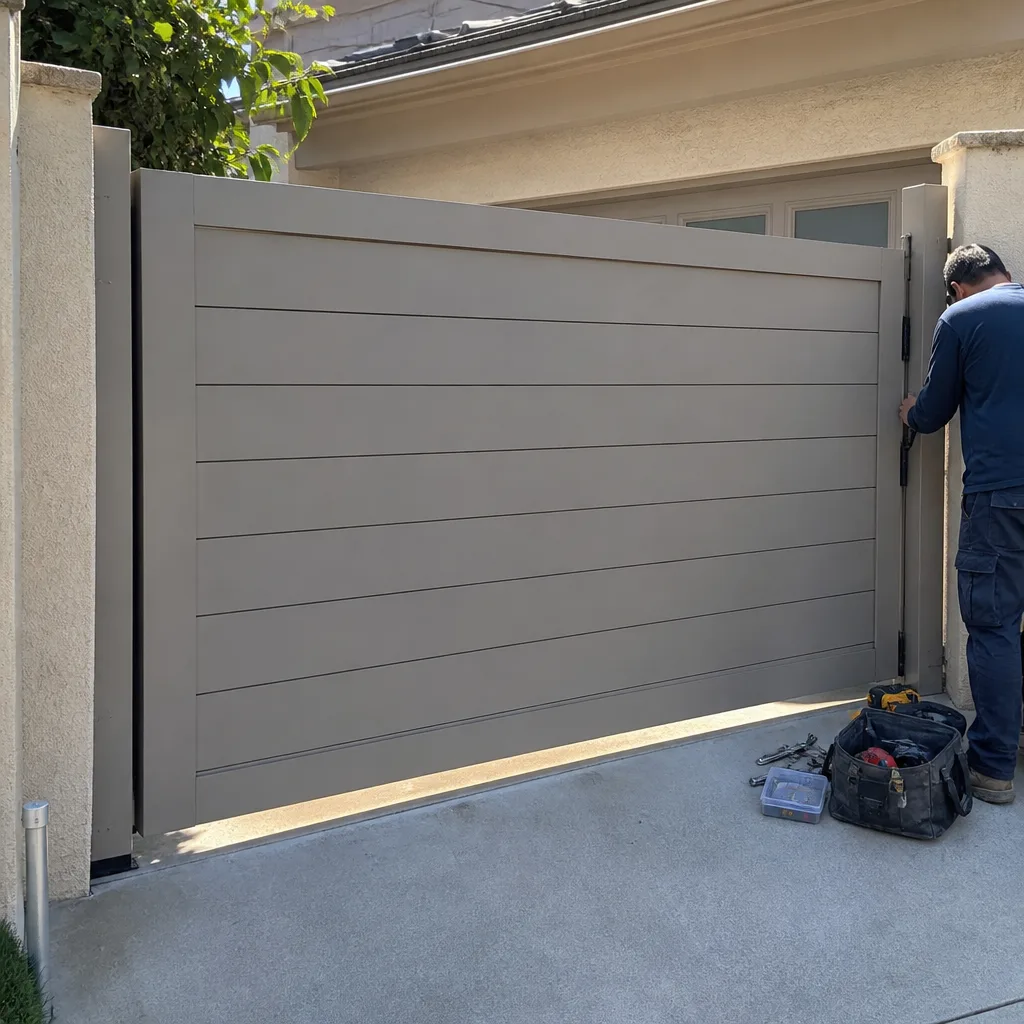 After
AfterGate Opener Not Responding
A gate opener that won’t respond is almost always caused by one of four things: a dead or misread remote signal, a tripped safety sensor, a power loss to the control board, or a failed motor or circuit board. In most cases, the gate itself is fine – it’s the opener telling you something went wrong upstream. A technician can pinpoint the cause in a single visit.
When your opener stops responding, it can feel like the whole system has failed – but that’s rarely true. The gate’s mechanical components are usually untouched. What’s broken is the chain of communication between your remote, the receiver, the control board, and the motor unit. Each link in that chain can fail independently, which is actually good news: you’re usually replacing one component, not the whole system. Here’s how to figure out which one is at fault before anyone arrives.
Why It Happens
Dead or Degraded Remote Signal
The most common cause by a wide margin is a remote transmitter that’s lost its signal – usually because the battery is dead, the frequency has drifted, or the remote has lost its pairing to the receiver. You can tell this is the issue if the gate also won’t respond to the keypad or the wall button inside, but your vehicle’s built-in HomeLink still tries to trigger it. A remote that clicks but does nothing is almost always a battery or pairing problem first.
Tripped or Misaligned Safety Sensor
Most electric gate systems use photoelectric or loop sensors to detect vehicles and prevent the gate from closing on an obstruction. If one of those sensors gets knocked out of alignment, gets blocked by debris, or develops a wiring fault, the control board shuts down gate movement entirely as a safety measure. The tell here is a blinking status light on the motor unit – most LiftMaster, FAAC, and Viking units will flash a specific error code that points directly to the sensor circuit.
Power Loss or Wiring Fault at the Control Board
Gate openers run on low-voltage power that passes through a control board before reaching the motor. A tripped GFCI outlet, a blown fuse on the board, or a corroded wire connection can cut power to the entire system without any visible damage. If your opener has no lights at all – no status LED, no display, nothing – and you’ve confirmed the outlet is live, the problem is almost certainly between the outlet and the board itself.
Failed Motor or Burned Circuit Board
Motors and circuit boards do wear out, especially on systems that have been running for seven or more years without a service visit. A motor that hums but doesn’t move the gate points to a mechanical bind or a capacitor failure. A board that shows no lights and won’t accept any input at all – even after power is confirmed – is likely burned. This is the cause you want a technician to confirm, because swapping the wrong component wastes time and money.
What to Do Right Now
- Check the obvious power path first. Find the outlet or disconnect that powers the opener and confirm it’s live. If it’s on a GFCI circuit, look for a tripped outlet nearby – gate openers are frequently wired to the same circuit as outdoor receptacles. Reset it once and see if the status light returns.
- Look at the status LED on the motor unit. Most openers from LiftMaster, Viking, Ghost Controls, and similar brands use a blinking pattern to communicate fault codes. Count the blinks and check the manual – that code will tell you and your technician exactly where the system stopped.
- Check your sensors for obvious obstructions. Leaves, spiderwebs, and dirt are frequent culprits. Clear anything blocking the sensor face, but don’t try to move or realign the sensor brackets yourself if you’re not sure what you’re doing – a sensor that’s slightly off-axis can cause the gate to behave erratically.
- Stop forcing the gate manually if you feel resistance. Most gates have a manual release for power outages, and using it once to get in or out is fine. But if the gate feels stiff or catches when you push it by hand, stop – there may be a mechanical issue in the track or arm that could get worse or cause injury.
- Photograph the control board and wiring. Before your technician arrives, take a clear photo of the motor unit’s label, the wiring terminals, and any visible damage. That information saves time on the diagnosis and helps confirm which parts are needed before the visit.
How We Fix It
When your local Warden Gate Repair technician arrives, the first thing they do is a full system check – remote signal, receiver frequency, sensor alignment, control board voltage, and motor condition – before touching a single component. That diagnostic usually takes 20 to 30 minutes and tells us exactly what failed and what didn’t.
From there, the repair path depends on what we found. A signal or pairing issue is often resolved the same visit with a receiver reset or reprogramming. A failed board or motor means swapping the component with the correct part for your system – we carry stock for the nine brands we’re authorized to service, including LiftMaster, FAAC, BFT, Linear, Viking, Ghost Controls, DoorKing, Elite, and Mighty Mule.
Before any work starts, you get a written price. Not an estimate that grows later – a written number, agreed on before the first bolt turns. That’s how every Warden job works, no exceptions. The service that resolves this symptom is gate repair or electric gate repair, depending on whether the fault is in the wiring and board or in the motor drive itself. Most visits close the same day the tech arrives.
Every repair is backed by the 365-Day Done Right Promise. If the same fault comes back within a year, the return visit is free. That’s in writing too.
Frequently Asked Questions
Yes, it can be, depending on where the gate stopped. If the gate is stuck open, your property has no barrier – and that’s worth treating as urgent rather than waiting a few days. If it stopped closed, you’re physically secure but you’ve lost the convenience and the ability to respond to an emergency exit if needed. Either way, call (828) 426-7081 and let the team help you decide how fast you need someone out there.
A gate stuck open is a genuine security concern and shouldn’t wait. A gate that stopped closed is less urgent from a safety standpoint, but leaving a fault undiagnosed tends to make the underlying problem worse – a stressed motor or a corroded board connection that gets ignored for weeks usually needs a more involved repair than one caught early. If you’re unsure, call (828) 426-7081 – the line is answered by a live person around the clock, every day of the year.
Live phone coverage runs 24 hours a day, 7 days a week, 365 days a year – so a real person picks up whenever you call. Your local Warden Gate Repair team will tell you what’s available in your area and get a technician scheduled as quickly as possible. Call (828) 426-7081 to find out what today looks like.
There’s no published flat rate because the price depends on what failed – a remote reprogramming costs less than a control board swap, and a circuit board costs less than a full motor replacement. What we can tell you is that your written price is delivered before any work starts, every time, with no line items added at the end. Call (828) 426-7081 and we’ll get a technician out to diagnose it – the written estimate is part of the visit, not something you pay extra for.
Get It Fixed
Your local Warden Gate Repair team is ready. Call (828) 426-7081 – a live person answers 24 hours a day, 7 days a week – or book online. We’ll send your technician’s name and photo before arrival and put the price in writing before any work starts.
Written by Cole Rafferty, Owner at Warden Gate Repair, part of the Threshold Group family since 2008.
What Our Customers Say
"Fair price and no pushing a whole new gate when all I needed was a new motor capacitor."
- Shirley A."The vetted tech thing was important since our gate protects the whole property. Careful, polite, and walked me through every safety sensor."
- Russell W."Swing gate wouldn't latch after the hinge sagged. He re-hung it, adjusted the hinge pins, and fixed the latch. Quoted before starting."
- Annette R.