
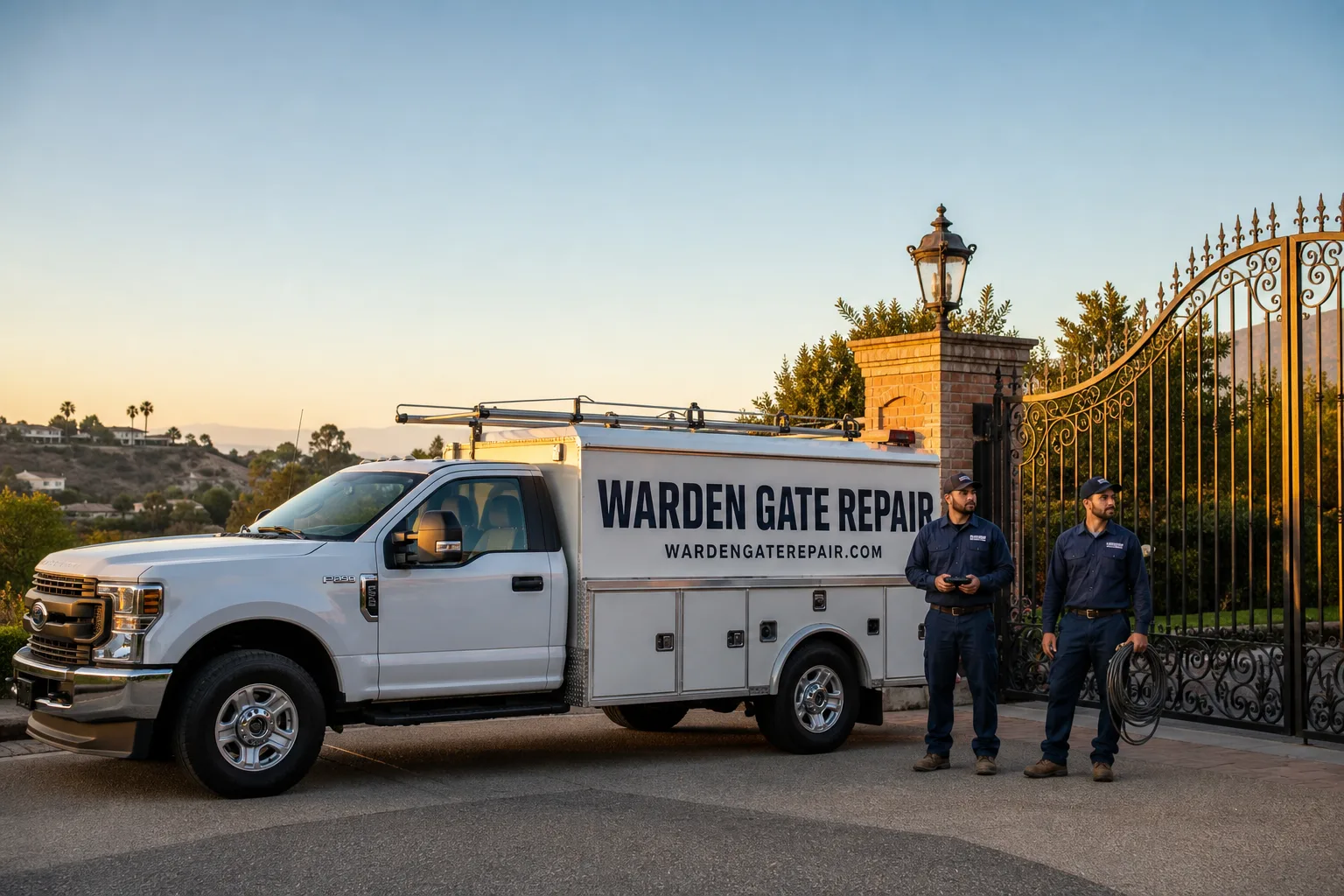
Free on-site gate assessment - hinges, posts, and your LiftMaster or Nice gate operator checked before anything is quoted
The assessment is free and the quote is the invoice.
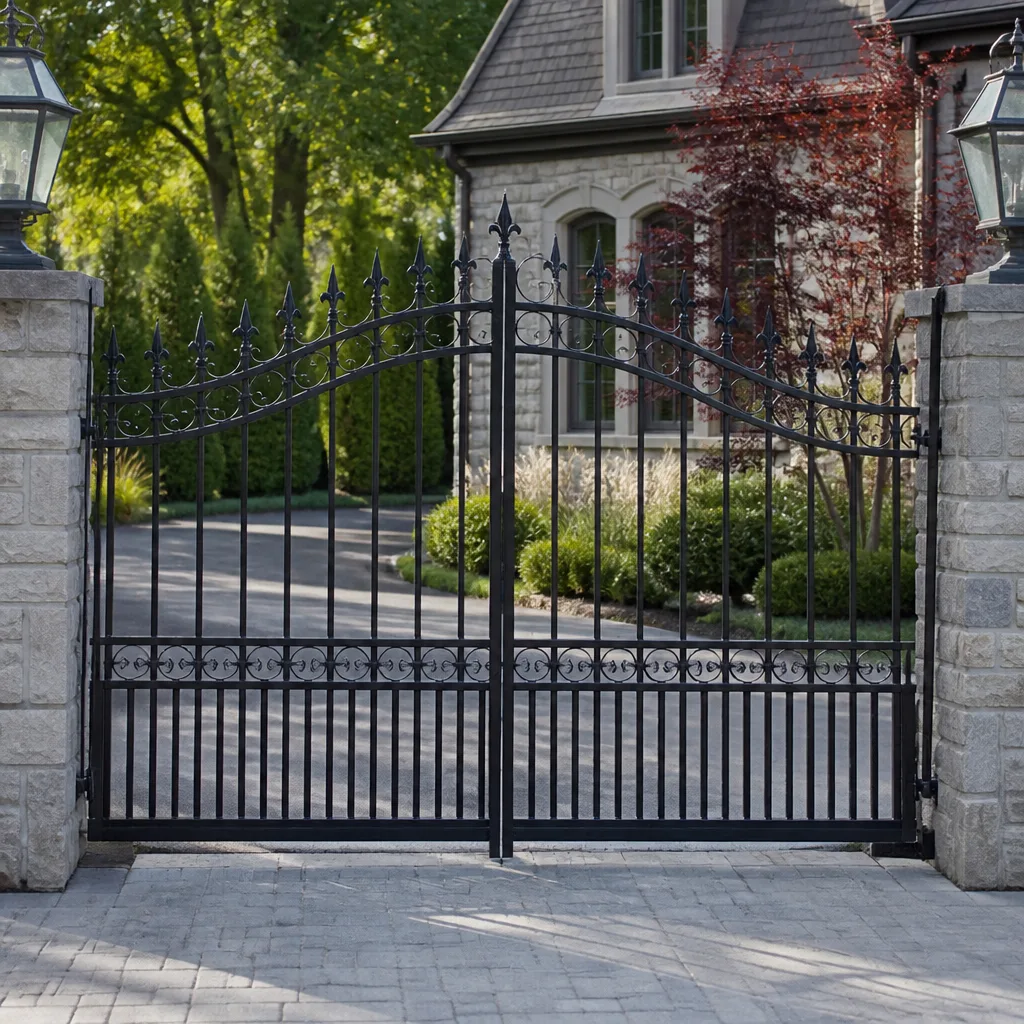
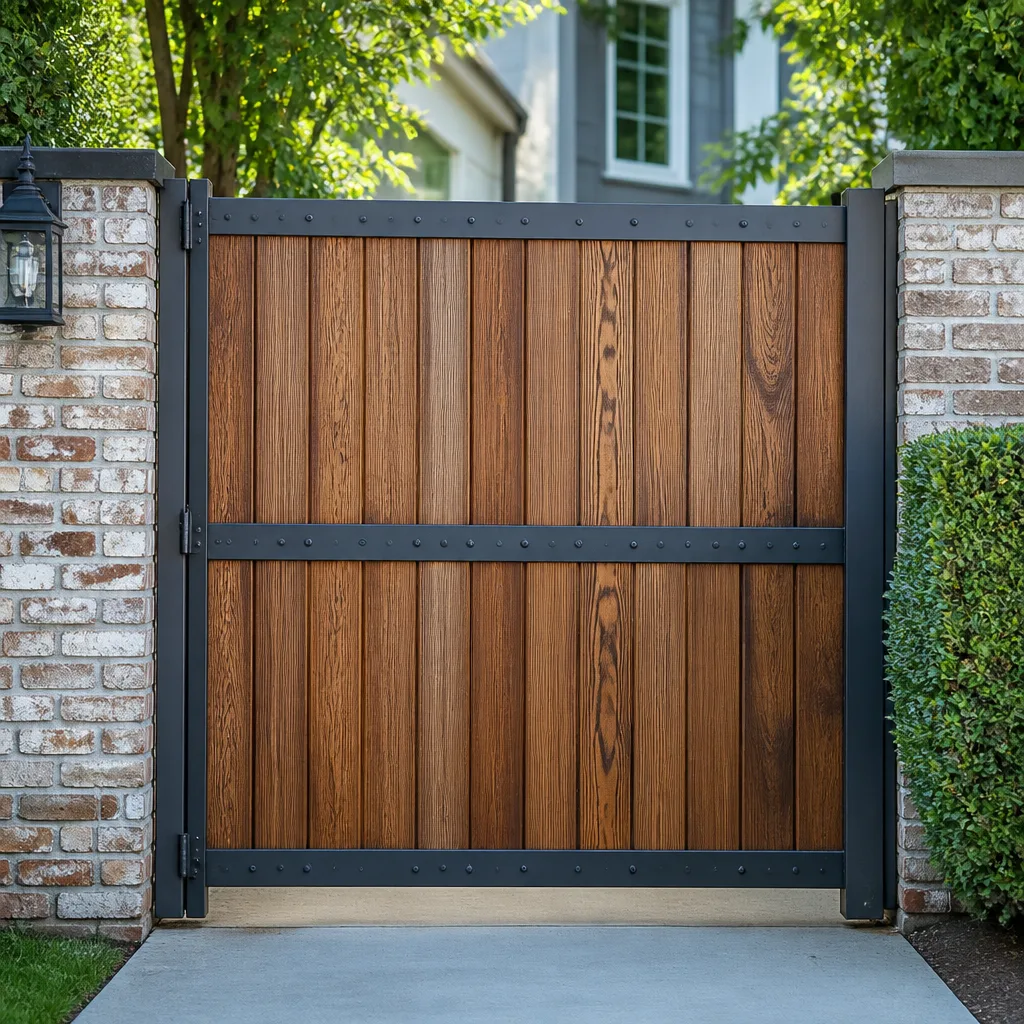
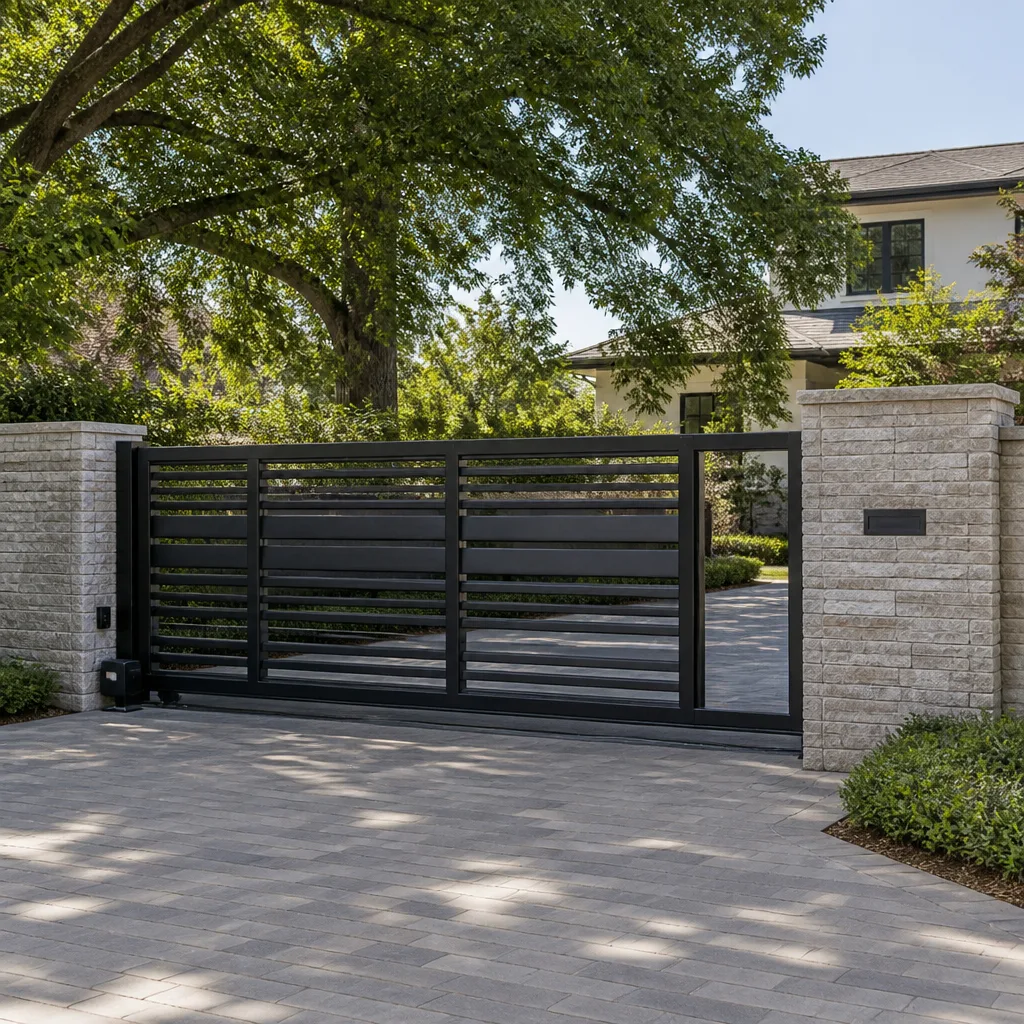
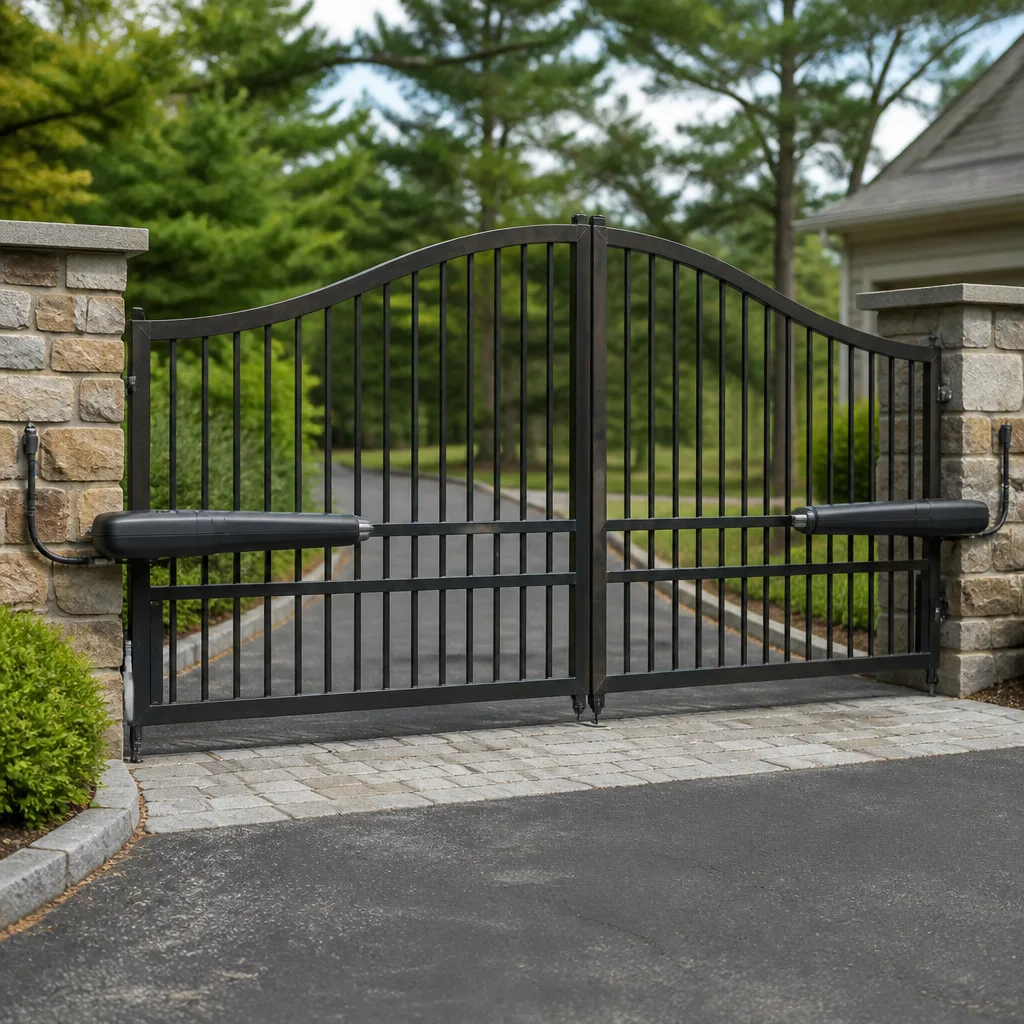
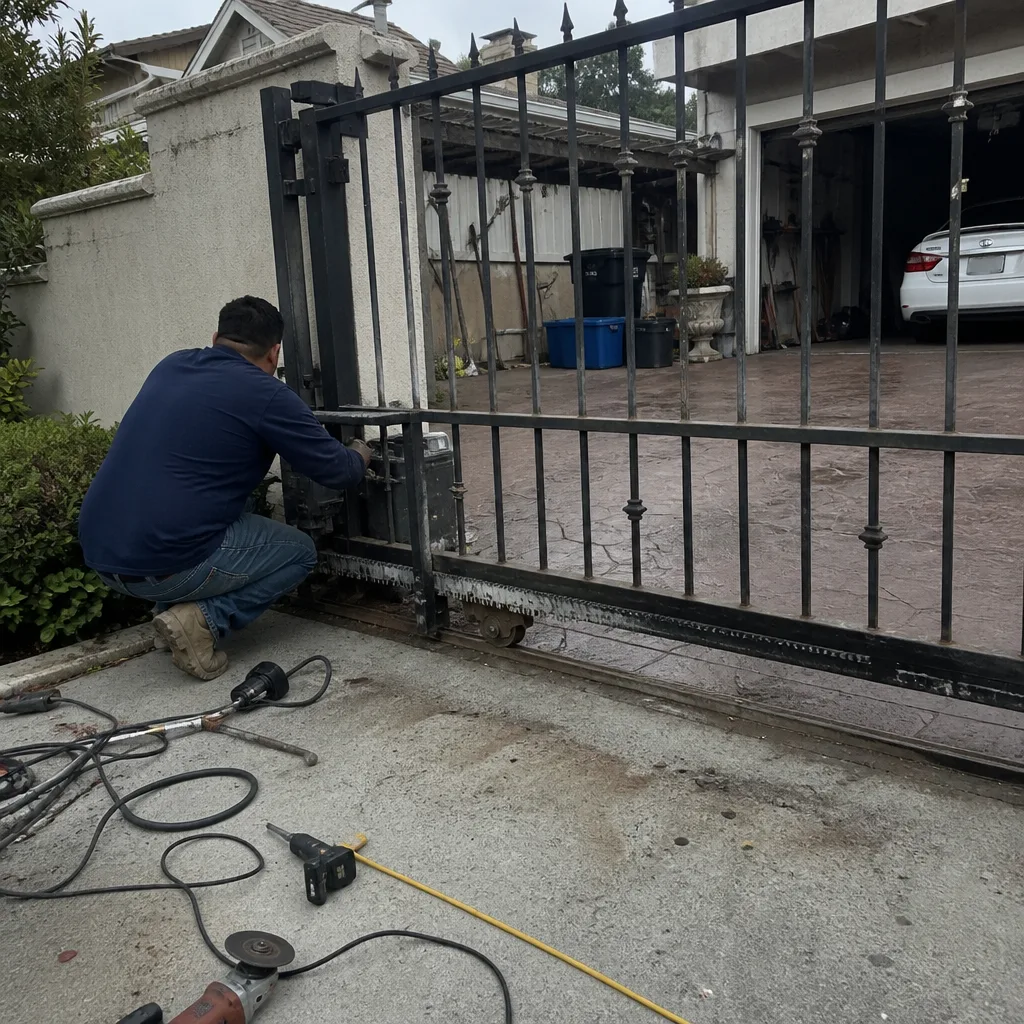 Before
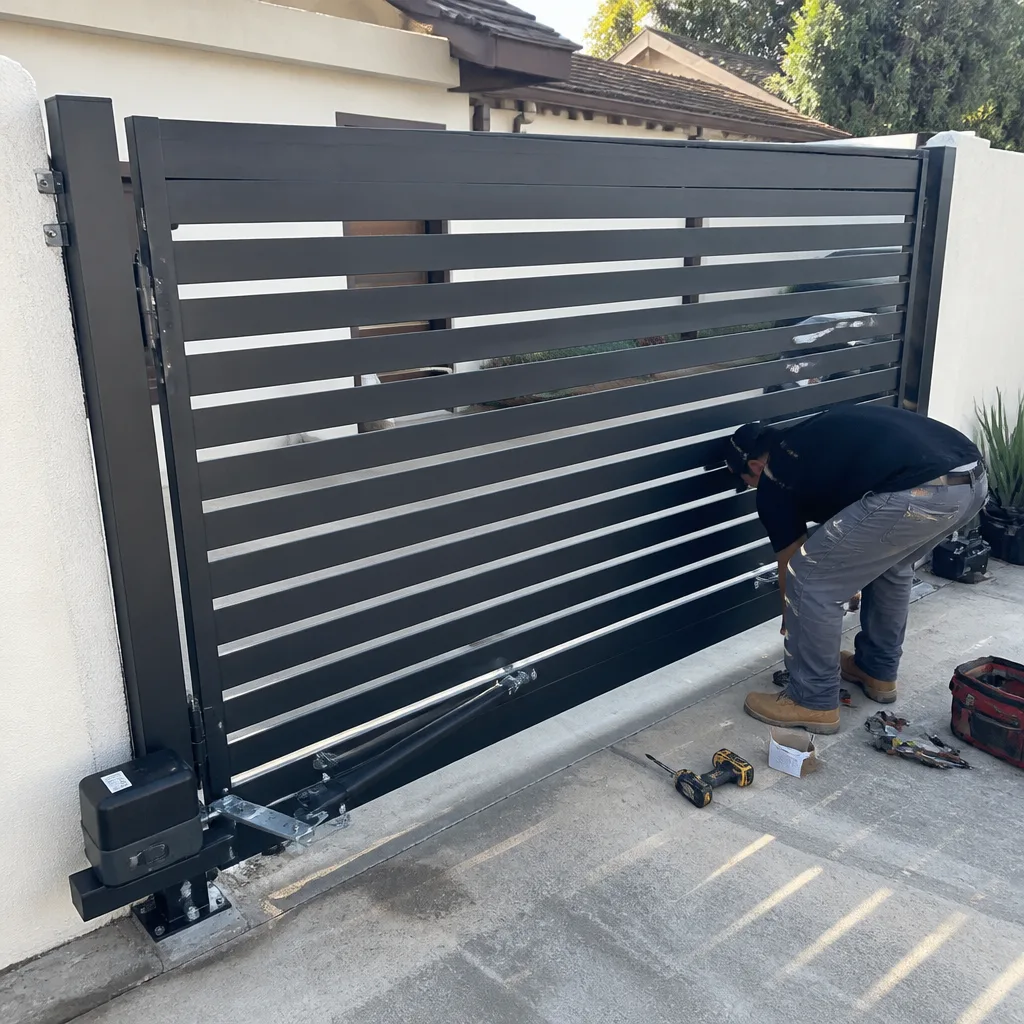 After
After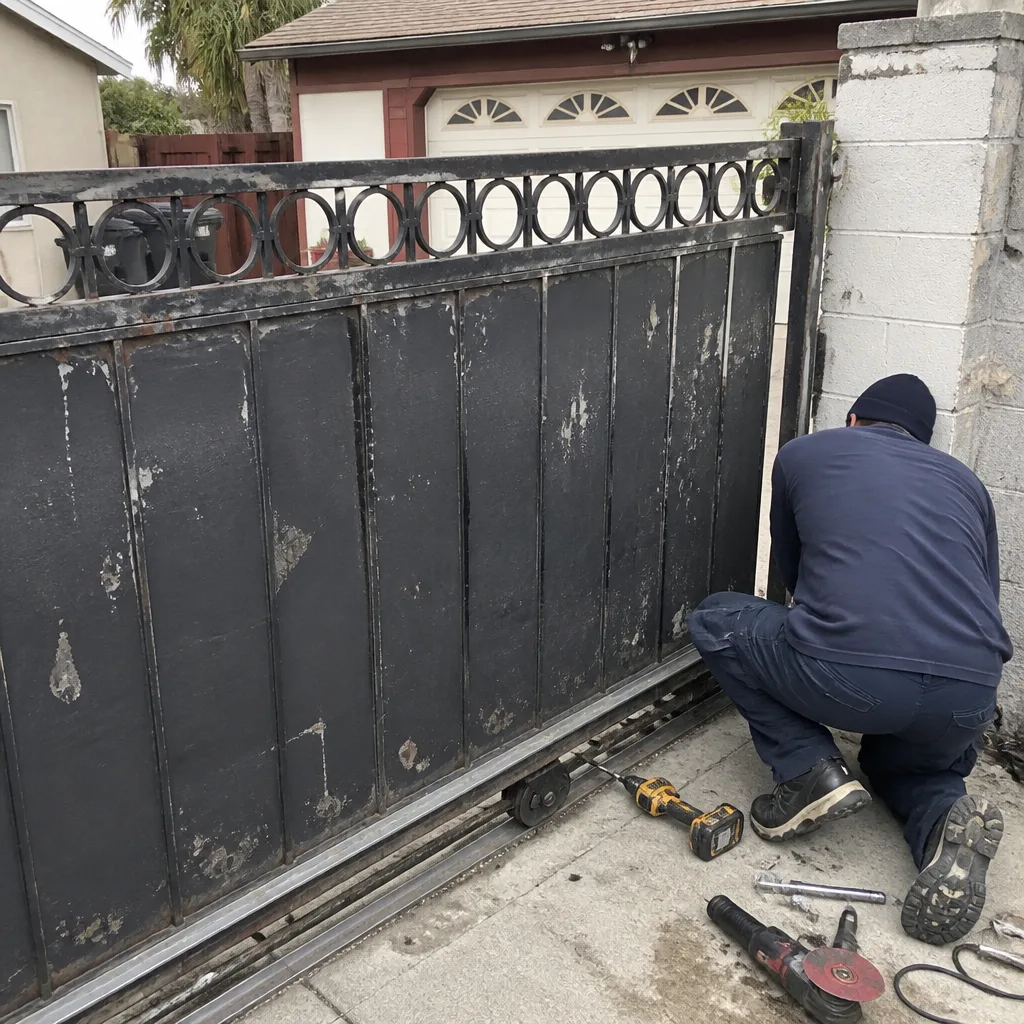 Before
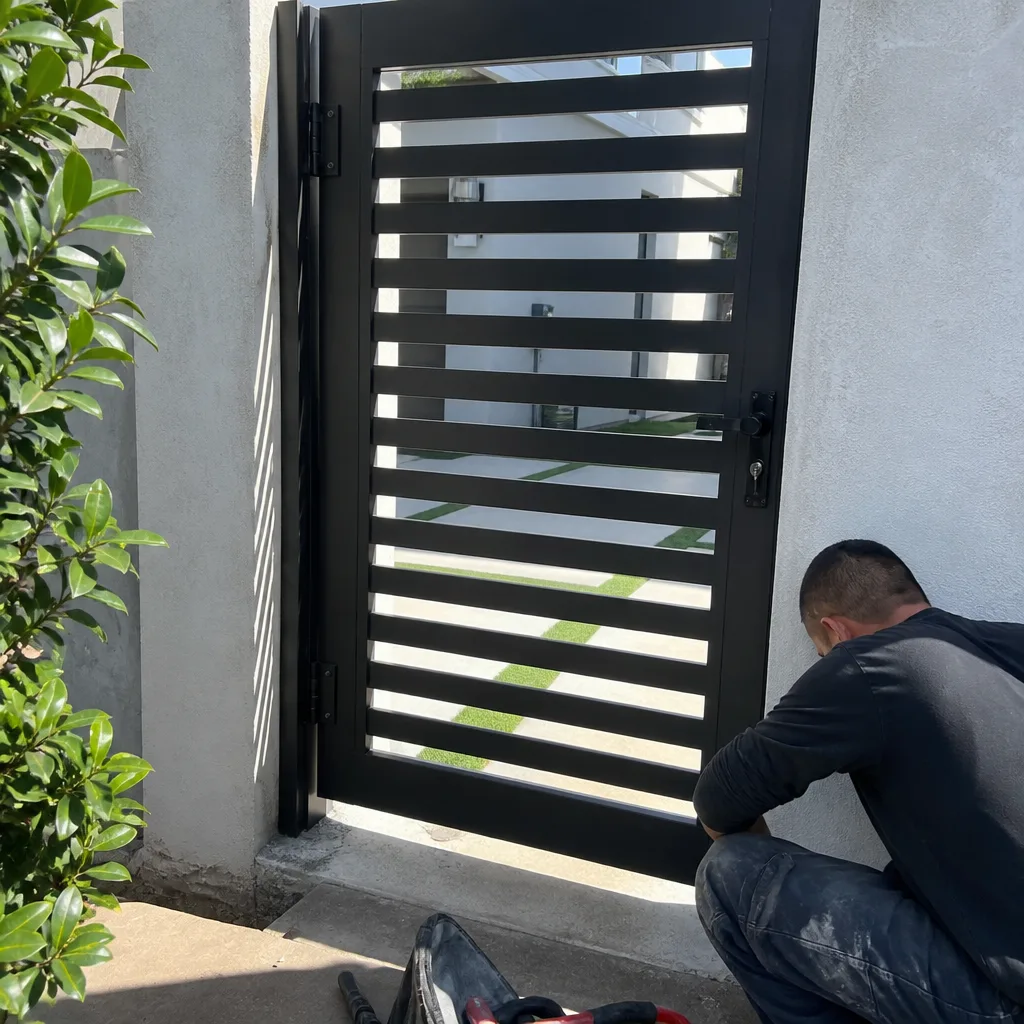 After
After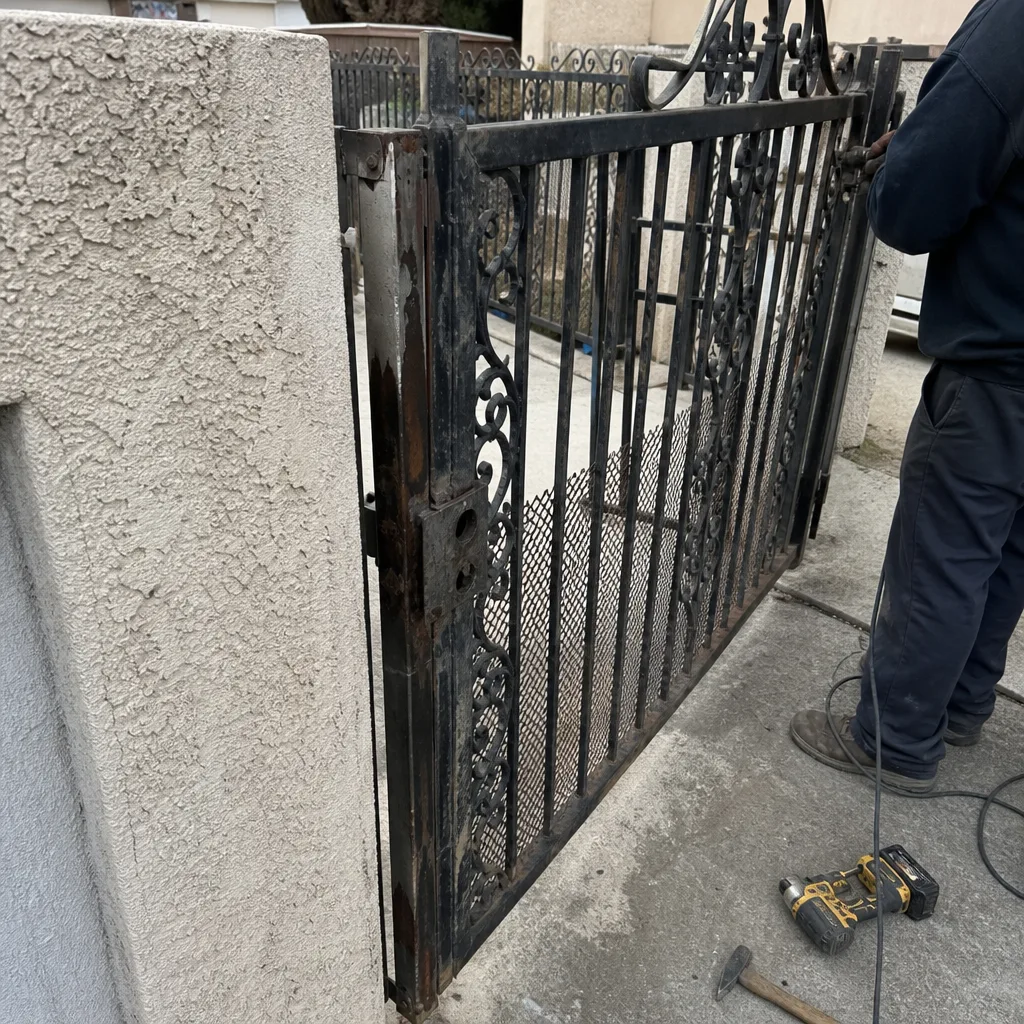 Before
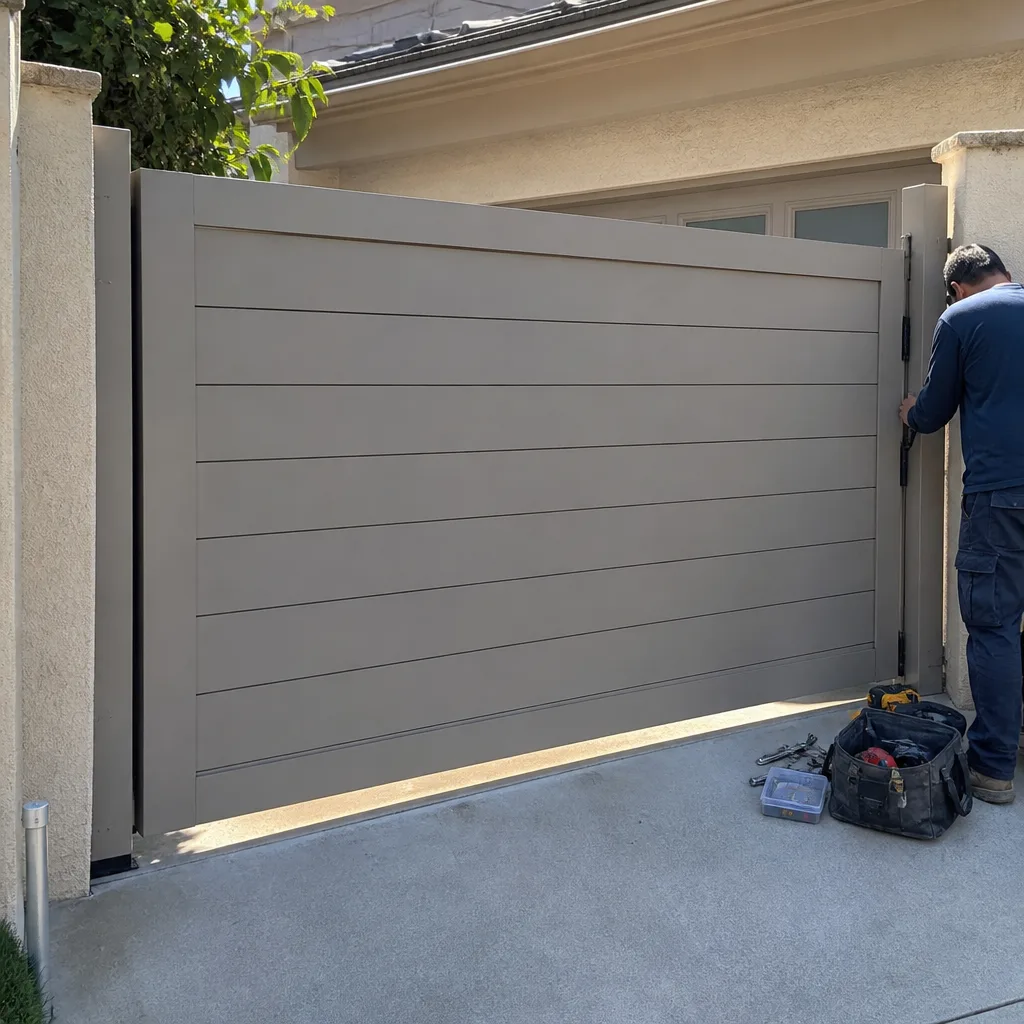 After
AfterFast, Reliable Gate Repair Across Washington
Gate repair in Washington, DC usually falls into two camps: the gate itself is failing, or the opener that moves it is. We handle both, and we handle them the same way every time. You’ll know the technician’s name and see their photo before they arrive, and you’ll have a written price before any work starts. That’s how Cole Rafferty runs Warden Gate Repair, and it’s the only way we’ve operated since we opened our Washington office. If your gate is sagging, dragging, stuck, or refusing to open, call (828) 426-7081 and we’ll walk through what’s happening.
Why Warden Gate Repair Is Washington’s Preferred Gate Repair Company
Washington’s gates are not like the gates in Fairfax or Bethesda. Here, a gate is often part of a historic rowhouse, an alley-facing security barrier, or a century-old iron panel that the DC Historic Preservation Office expects you to keep in character. We know that before we touch anything. Our technicians work in Georgetown, Capitol Hill, Dupont Circle, Logan Circle, Shaw, and every ward in between, and we’ve learned what each neighborhood’s housing stock demands. Older brick piers need different hinge anchoring than modern steel posts. Alley gates deal with different moisture and wear than front-yard gates. A contractor who treats every gate the same will cost you money.
Every Warden technician arrives background-checked, identity-verified, and photo-badged under what we call the Threshold Standard. You get the name and photo before the visit, and the badge is shown at your door. For Washington homeowners who are home alone, parents with young kids, or older residents who want to know exactly who they’re opening the door to, that matters more than any marketing promise.
Iron Gate Repair in Washington
Iron gate repair is one of the most common calls we take in Washington, and it takes on a specific shape here because of the city’s housing stock. The iron itself is usually fine. What fails is the hardware around it: the hinges pulling out of old brick piers, the latch dropping out of alignment, the welds at stress points cracking after decades of freeze-thaw cycles. Washington’s humid summers and damp winters put real strain on ornamental iron, especially on the original wrought-iron gates you see throughout Capitol Hill and Georgetown.
Hinge and Post Work in Historic Districts
In neighborhoods under DC Historic Preservation Office jurisdiction, you typically can’t swap an original wrought-iron gate for a modern aluminum one without review, and sometimes not at all. So we repair in-kind. That means re-anchoring hinges into brick or masonry using epoxy-set anchors and stainless fasteners, rebuilding the hinge post if it’s rotted or heaved, and re-hanging the panel so it swings true. The gate keeps its character. The repair is invisible.
Weld and Rust Repair
DC’s damp climate means surface rust on iron gates is a matter of when, not if. We grind, treat, and re-weld stress cracks before they become structural failures. On the rear alleys of Shaw and Bloomingdale, where many gates sit in partial shade and never fully dry after rain, we see rust at the bottom rail and hinge welds more than anywhere else. Catching it early is the difference between a $300 weld repair and a $2,500 gate replacement.
Sliding Gate Repair in Washington
Sliding gate repair in Washington tends to involve heavier gates, tighter clearances, and more demanding hardware than swing gates. These are the gates that roll sideways on a steel track, often across an alley entrance or a driveway cut into a rowhouse front. When a sliding gate stops moving smoothly, the problem is usually one of three things: the track has shifted or filled with debris, the gate rollers are worn or seized, or the motor’s control board has failed. We see all three regularly across Washington.
Track and Roller Service on Alley Gates
Washington’s rear service alleys are a defining feature of the city, and the gates that secure them are a repair category almost unknown in the Maryland and Virginia suburbs. Debris, cracked concrete, and shifting soil put constant pressure on the track. We clean and relevel the track, replace worn rollers, and adjust the gate so it moves without fighting the motor. A sliding gate that has to push through grime and misalignment burns out operators fast.
Legacy Operator Retrofits
Many sliding gates in Washington run on operators that were installed years ago with control boards that are now discontinued. The gate moves, but the safety features are outdated or absent. We service and, where possible, upgrade these systems to current UL 325 standards with working entrapment protection, because an automatic gate without working safety edges or photocells is dangerous and, in DC, non-compliant. We’ll tell you honestly whether your board can be repaired or whether a new operator is the smarter long-term spend.
Trusted Brands We Service in Washington
Our Washington technicians are factory-trained on the brands installed most often across the city, including LiftMaster, FAAC, BFT, Linear, Viking, Ghost Controls, DoorKing, Elite, and Mighty Mule. We stock the common control boards, receivers, limit switches, and safety edges for DC’s most widely used operators, so we’re not waiting on a parts truck from a distribution center in Delaware. When a FAAC operator on a Georgetown driveway gate loses its limit settings, or a Linear gate motor on a Brightwood alley gate stops responding to the remote, we can usually get it running the same day.
Common Gate Repair Problems We See in Washington Homes
- Brick pier heave from freeze-thaw cycling. DC winters cycle through freezes and thaws that push water into the mortar joints of brick gate piers, crack them, and shift the footing. The hinge post moves, the panel sags, and the gate starts dragging on the concrete. Fixing the post, not the panel, is the repair.
- Discontinued control boards on legacy openers. A lot of Washington gates, especially in older rowhouse neighborhoods, run on operators with boards that haven’t been manufactured in years. The gate stops responding to remotes or opens halfway and reverses. Sometimes a board-level repair is possible. Often a retrofit is cheaper.
- Gate misalignment on settled alley concrete. DC’s alleys shift. Concrete slabs crack and settle, and a gate that was perfectly aligned five years ago now hits the latch post or scrapes the ground. Re-hanging and realigning is routine work for us, and it’s often an hour or two rather than a replacement.
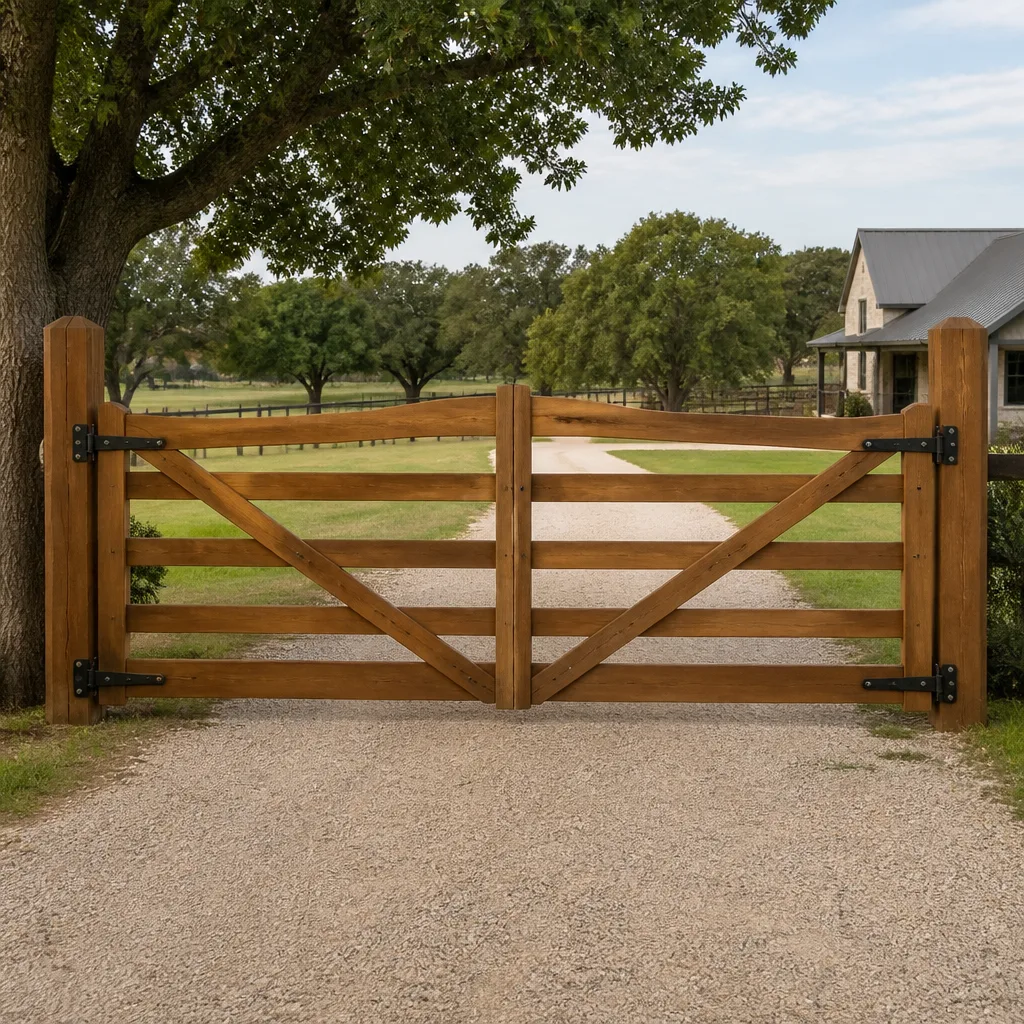
- Rotting wood on alley-facing swing gates. Summer humidity in Washington is brutal on unprotected wooden gates, especially the ones facing rear alleys that stay damp under tree canopy and row house shadows. By the time a wooden gate is visibly sagging, usually the bottom rail and hinge stiles are compromised. We repair or rebuild before the panel collapses entirely.
Pricing for Gate Repair in Washington, DC
What we quote is what gets written down before we touch the gate. That’s the rule. For Washington, here’s what typical repairs run:
- Gate realignment and hinge adjustment: $180 – $320
- Hinge and post repair on brick or masonry piers: $300 – $650
- Weld and rust repair on iron gates: $250 – $550
- Control board replacement or repair: $275 – $600
- Full operator replacement (parts and labor): $900 – $2,400 depending on brand and gate weight
- Iron gate replacement (where permitted): $1,800 – $4,500 for a standard alley or front gate
Historic district repair work sometimes costs more because of the extra care and in-kind materials required, and that’s reflected in our quote before we start. Every repair includes the written price, a written guarantee, and the 365-Day Done Right Promise. If the repair fails within a year, the return visit is free. Call (828) 426-7081 for a free estimate.
Key takeaways about gate repair in Washington: most iron gates are repairable in-kind; most sliding gate problems trace back to posts, tracks, or boards, not the panel; and if your property sits in an HPO district, we check the DC Office of Planning’s historic district map before recommending any replacement.
The Field Reality: Why Local Knowledge Changes the Quote
Here’s something that doesn’t show up on a generic Gate Repair pricing page. In Washington, a large share of residential gate work sits inside Historic Preservation Office jurisdiction. Georgetown, Capitol Hill, Dupont Circle, Logan Circle, Shaw, and others fall under HPO oversight, and the rules are specific: even a like-for-like swap that changes the gate’s material or profile can require a permit and a Certificate of Appropriateness. We check the DC Office of Planning’s online historic district map before we quote any replacement, because quoting a new aluminum gate for a Georgetown rowhouse and then discovering the HPO requires in-kind wrought iron is a waste of your time and ours. An out-of-state contractor who doesn’t know to look would never anticipate that.
A lot of what we do in Washington is gate-and-opener work on rear service alleys. On a Capitol Hill alley call, our tech answered a sagging original wrought-iron swing gate that was dragging its latch on a crumbling brick pier. The panel hardware was fine. The failure was at the hinge post, where mortar loss and winter freeze-thaw had heaved the footing. We re-anchored the hinges into the masonry, corrected the sag, and serviced the aging LiftMaster gate operator, all without swapping the historic gate itself. That repair could not have happened by just replacing the panel. The history and the rules of the city shaped the fix.
Serving Every Ward of Washington
We run calls to every corner of Washington, from the rowhouse alleys of Capitol Hill and Shaw to the detached homes of Chevy Chase DC, Palisades, and Shepherd Park. For homeowners near Rock Creek Park, where tree cover and slope create unique drainage and post-stability issues, we account for grade and water flow before anchoring anything. For the dense rowhouse fabric of Logan Circle and Dupont Circle, we plan for narrow alley access and tight clearances. You don’t get a rotating cast of subcontractors with Warden. You get a Washington-based crew that knows the difference between a Bloomingdale alley gate and a Wesley Heights driveway gate.
Serving Washington, DC - Our Local Coverage Area
We’re based in the Washington area and know this community well. Use the map below to see our service coverage - if you’re nearby, we can almost certainly help.
FAQs About Gate Repair in Washington
Most of the time in Shaw and surrounding rowhouse neighborhoods, it’s the post. Brick piers absorb moisture during DC’s humid summers, and winter freeze-thaw cycles force the mortar apart and heave the footing. The panel hasn’t changed; the hinge post moved. We check the post first on every sagging gate call, because replacing the panel without fixing the post just means another sag in a year or two. Call (828) 426-7081 if you want us to take a look.
In many cases, yes. If your property sits in a DC historic district, typically near Georgetown, Capitol Hill, Dupont Circle, Logan Circle, or Shaw, a replacement that changes the gate’s material or profile usually requires review by the DC Historic Preservation Office, and may require a Certificate of Appropriateness. In-kind repair of an existing gate generally does not. We check the DC Office of Planning’s online historic district map before quoting any replacement. For an exact answer about your block, call (828) 426-7081.
That depends on the board. Many Washington gates run on legacy operators with discontinued control boards, and in those cases we can often repair the board at the component level if the failure is something like a burned relay or a failed capacitor. If the board is too far gone or lacks modern UL 325 entrapment protection, we’ll give you a straight answer about whether a retrofit or a new operator is the cheaper long-term option. The quote is always written before we start.
Yes. Automatic gate operators in Washington, DC, as throughout the country, are required to meet UL 325 safety standards, which means working entrapment protection: the gate must reverse or stop when it encounters an obstruction, typically through safety photocells or edge sensors. Many older Washington installs predate the current standard and lack working protection. We check every automatic gate we service, and we’ll flag it clearly if yours is non-compliant or dangerous.
Yes, and we do it regularly. Rear alley gates in Washington often have no practical way to run a line-voltage power feed, and a solar opener on a small battery bank is a clean solution for gates that don’t cycle constantly. Washington’s winters are gray enough that panel sizing matters, so we spec the array for shorter winter days, not summer peak. Call (828) 426-7081 and we’ll tell you if solar makes sense for your alley.
Get Your Washington Gate Repaired Today
If your gate is sagging, stuck, or your opener is dead, we can help. We answer the phone 24/7 at (828) 426-7081 with a live person, not a voicemail tree. You’ll know who’s coming to your door and what the repair will cost before we start, and the work is backed by our 365-Day Done Right Promise. That’s how Cole Rafferty built Warden Gate Repair in Washington, and that’s how we’ll treat your gate.
Written by Cole Rafferty, Owner at Warden Gate Repair, serving Washington, DC.