
Last updated October 9, 2026
Free on-site gate assessment - hinges, posts, and your LiftMaster or Nice gate operator checked before anything is quoted
The assessment is free and the quote is the invoice.
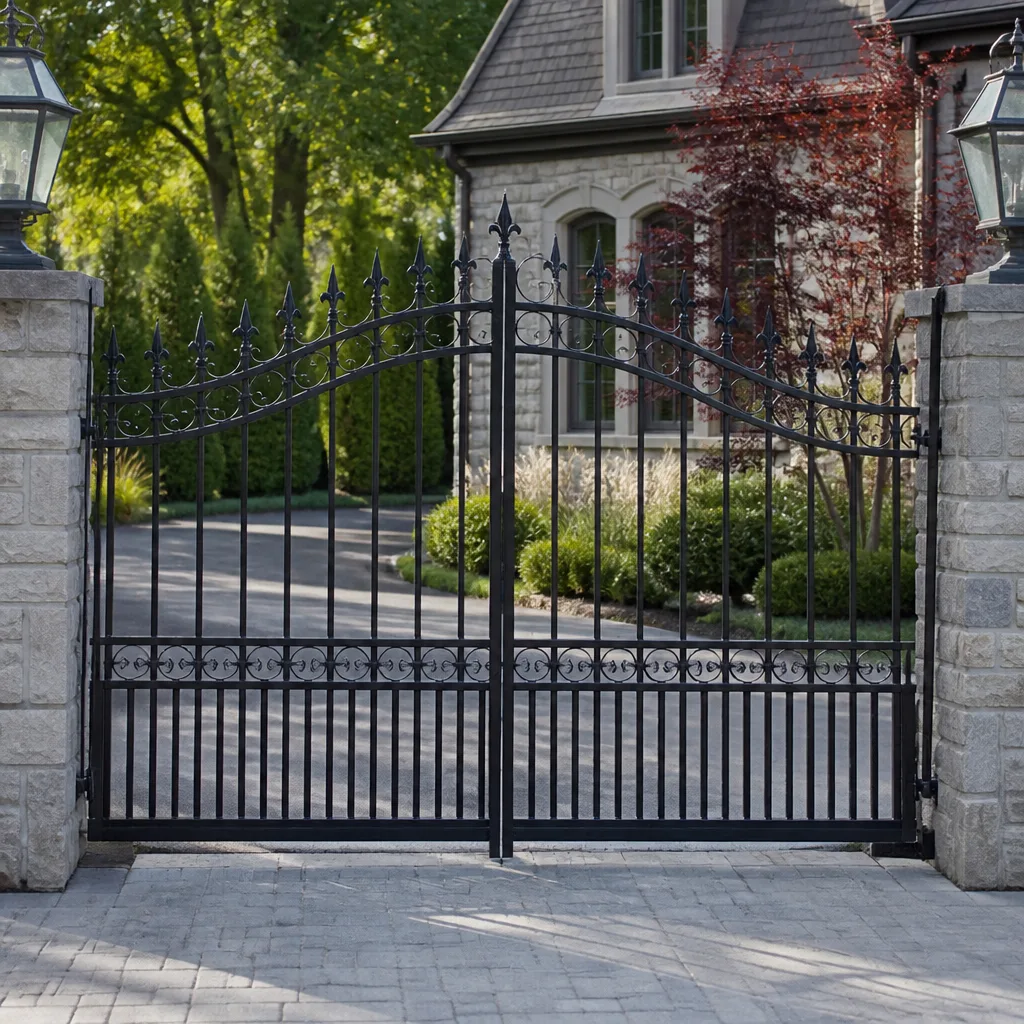
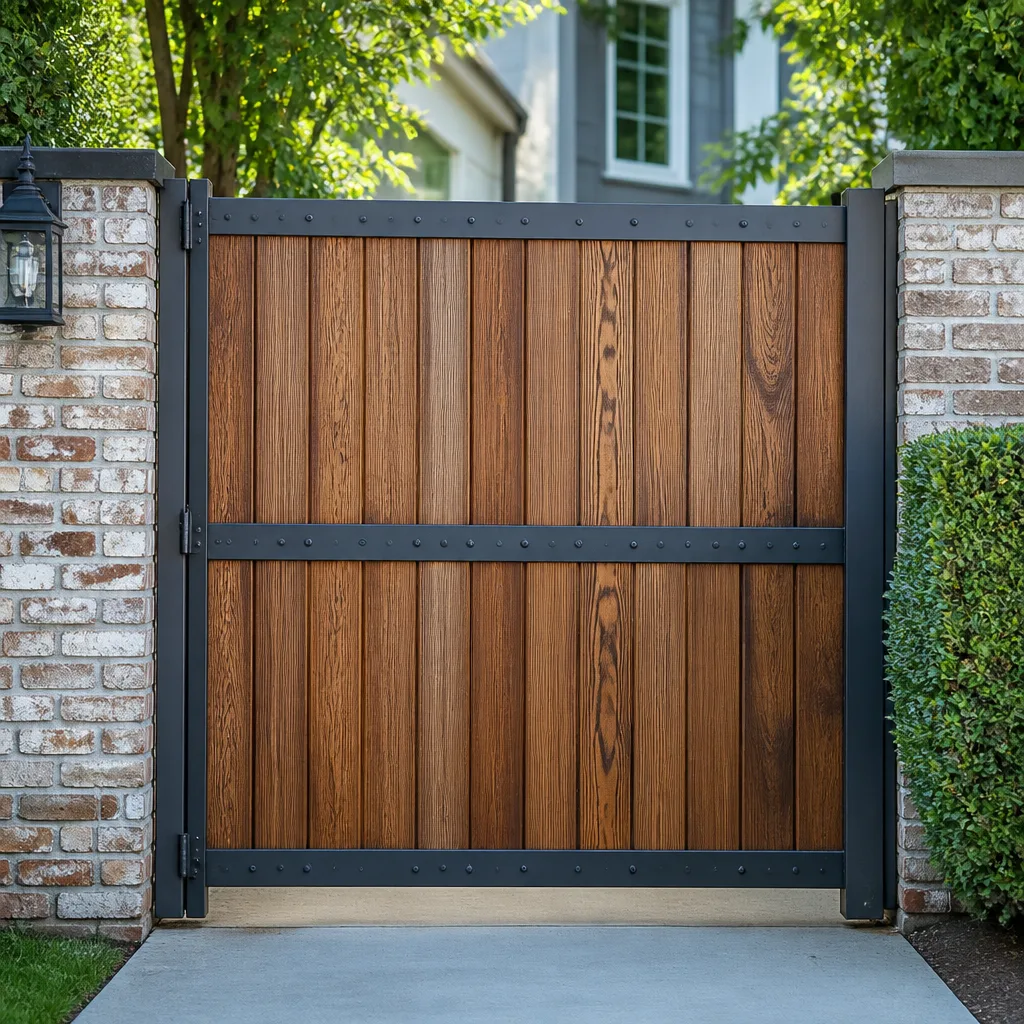
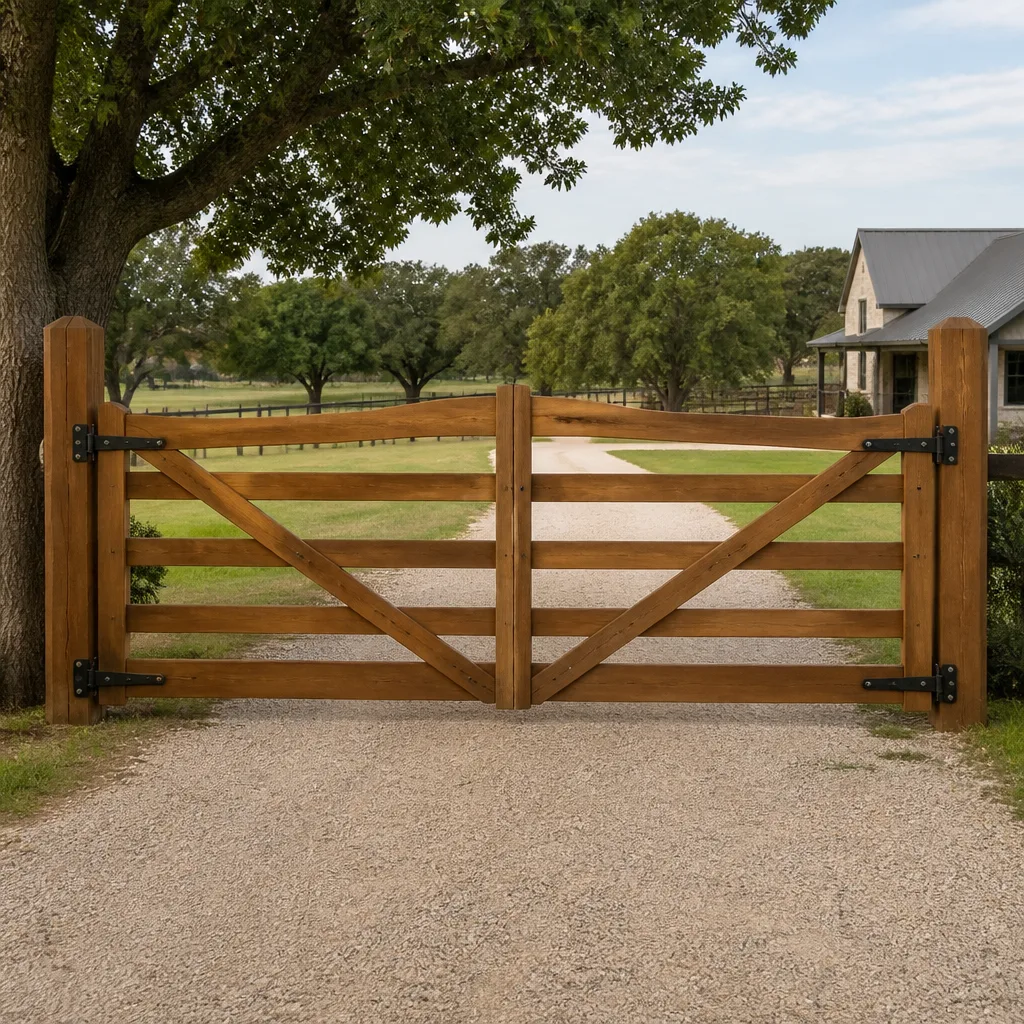
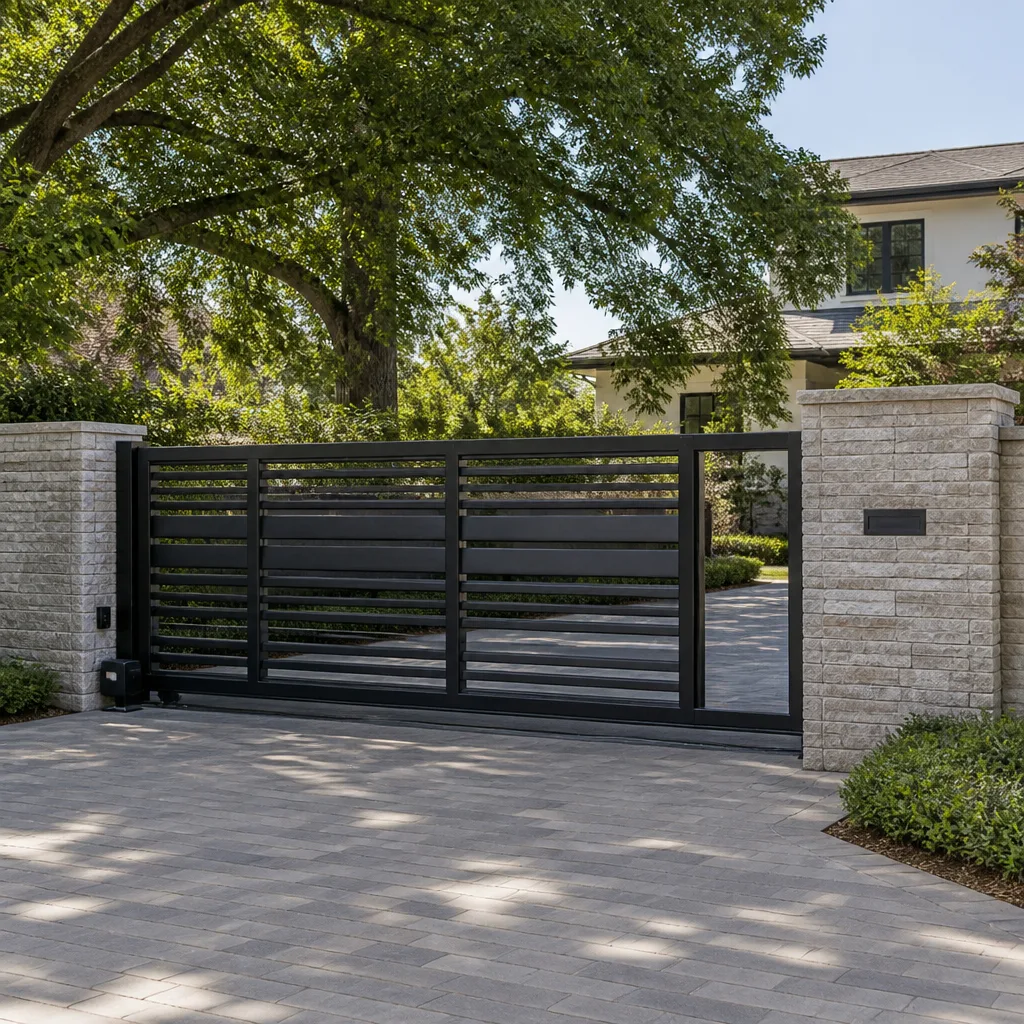
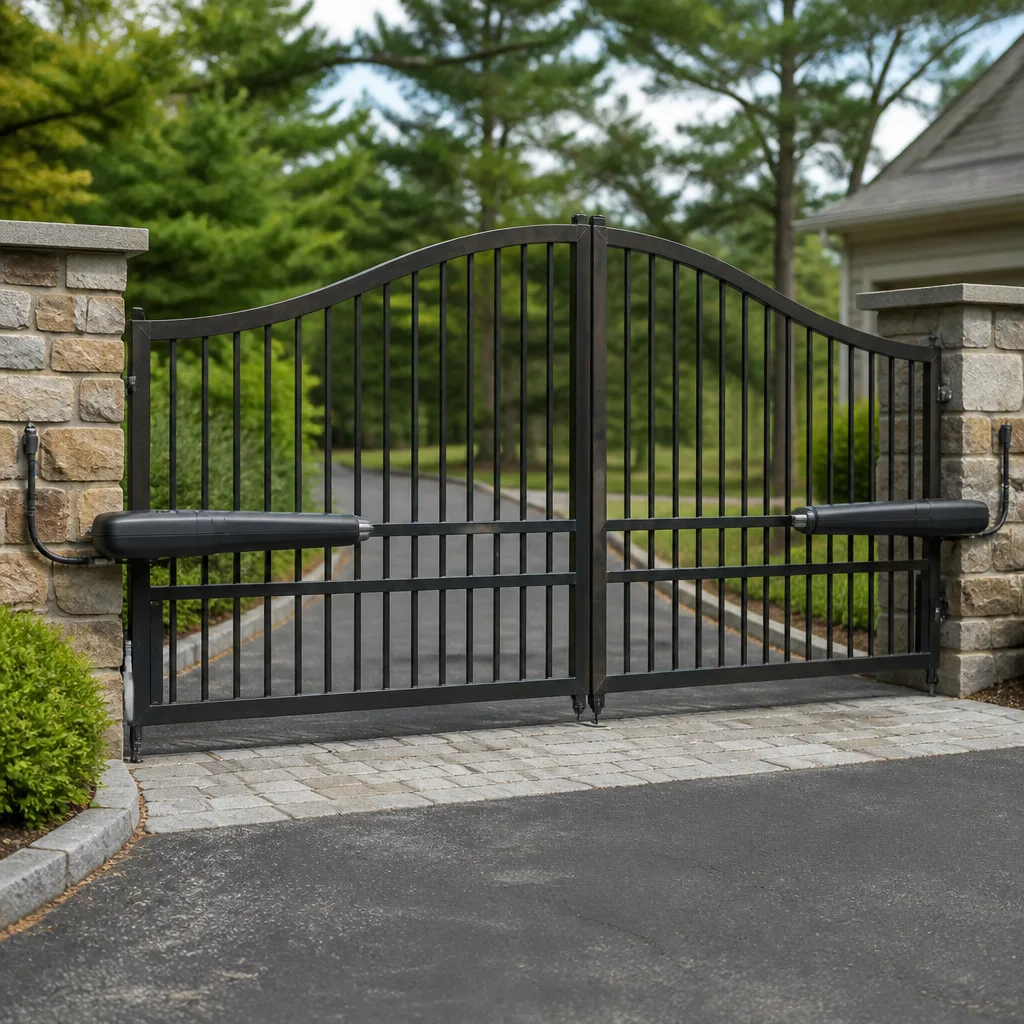
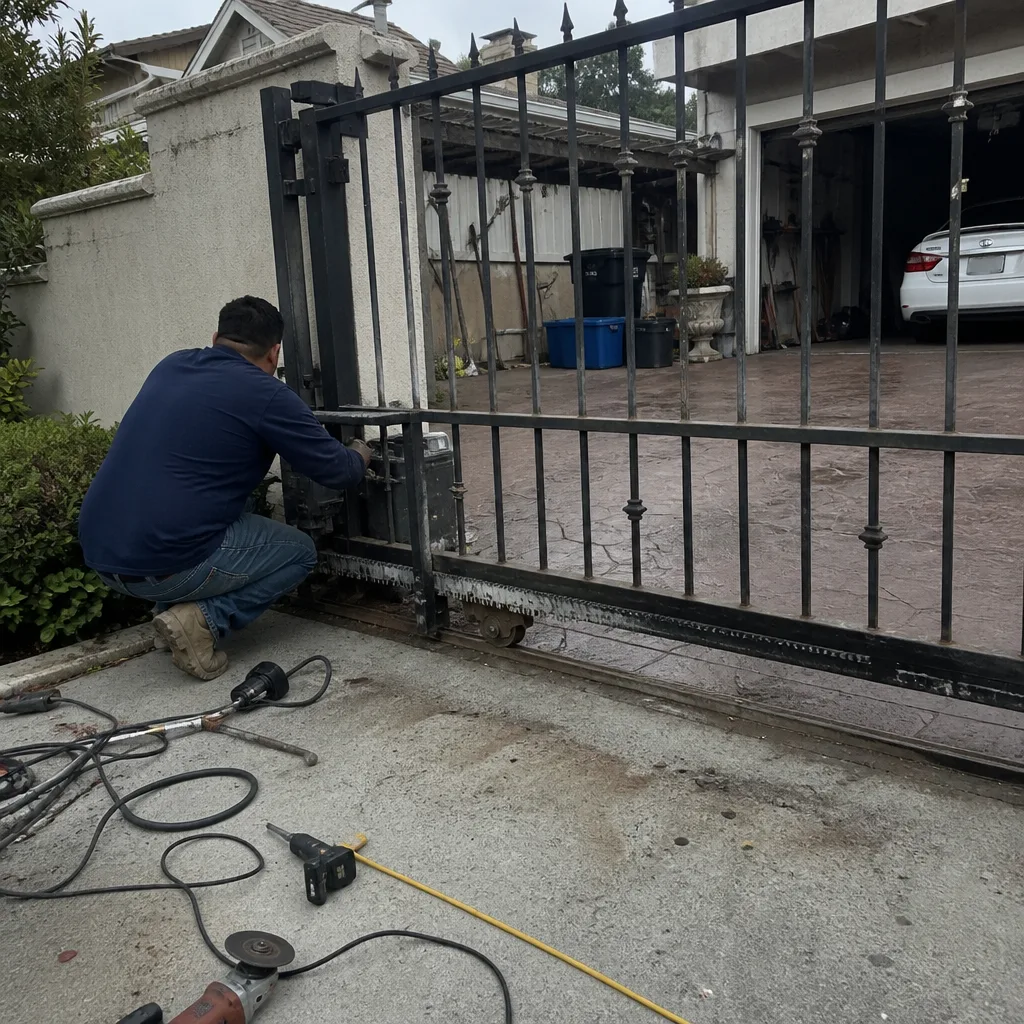 Before
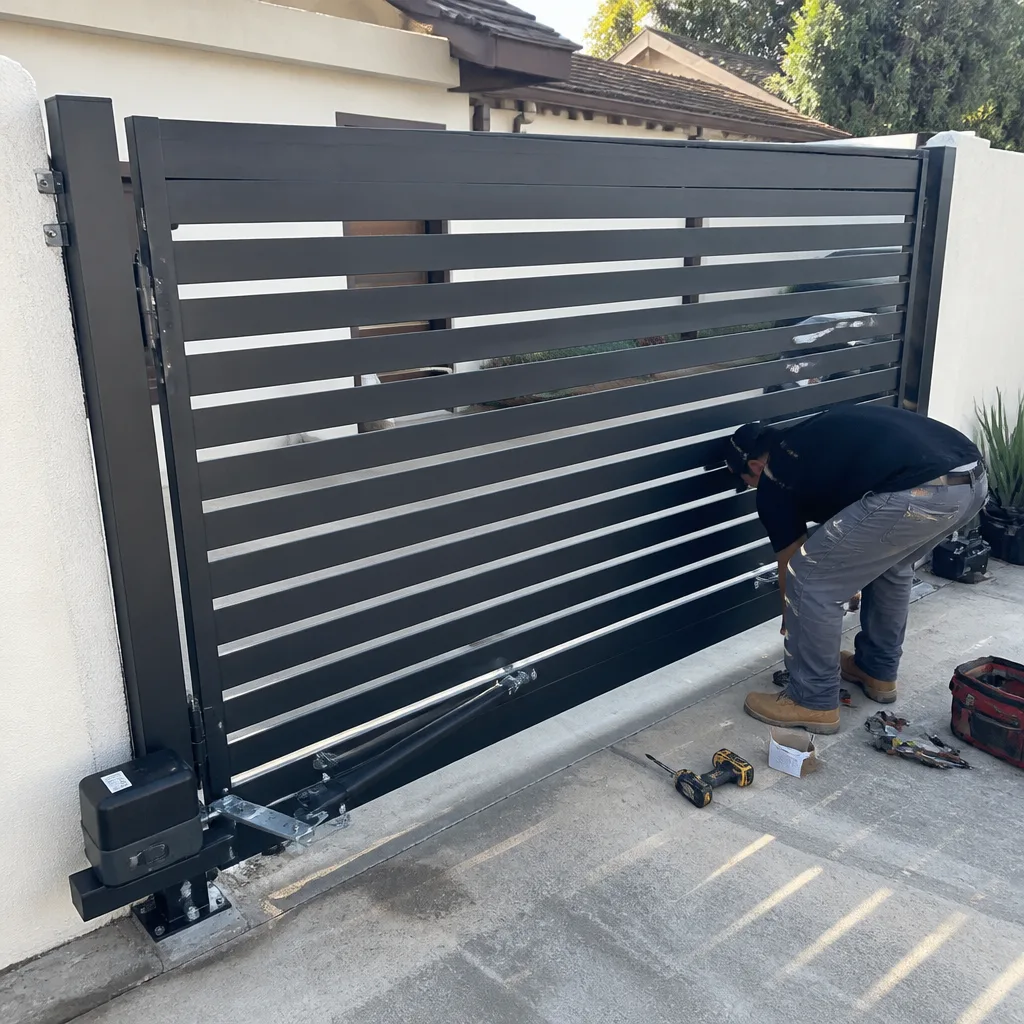 After
After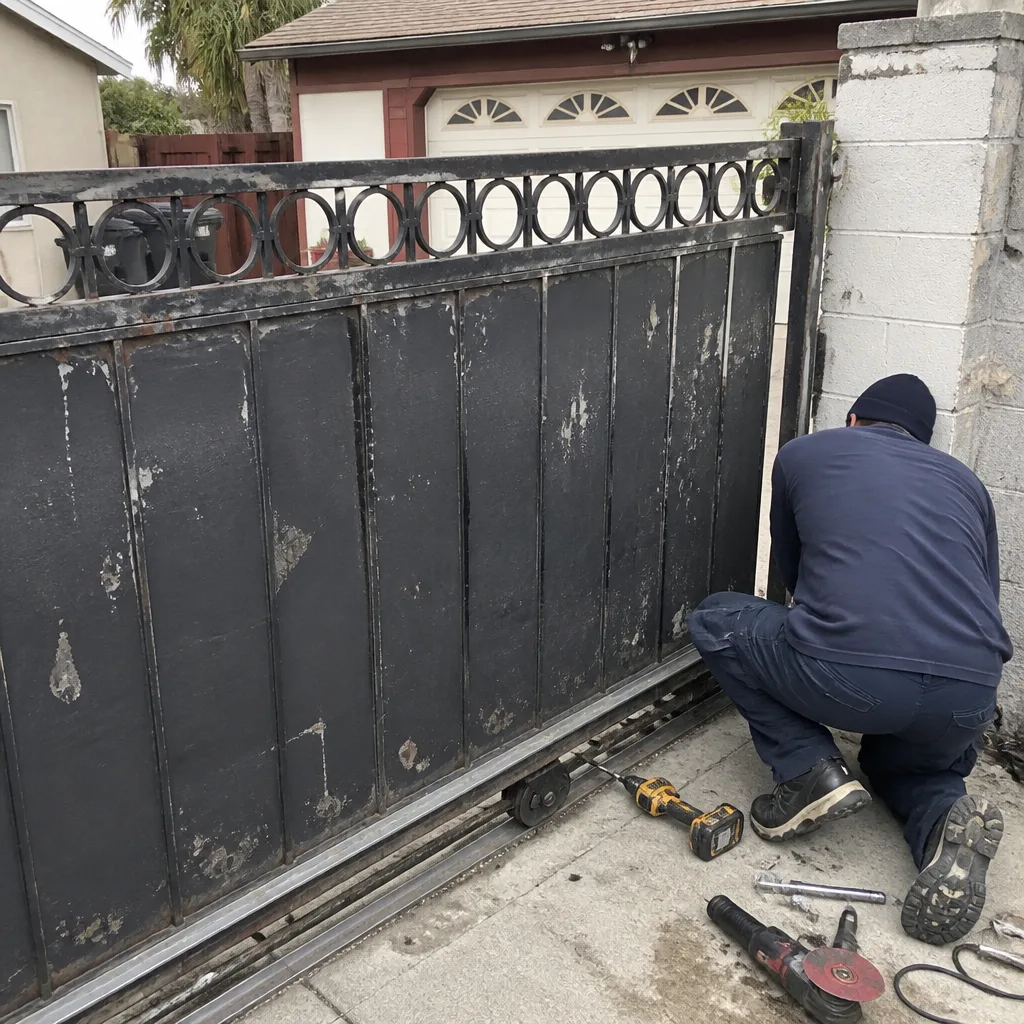 Before
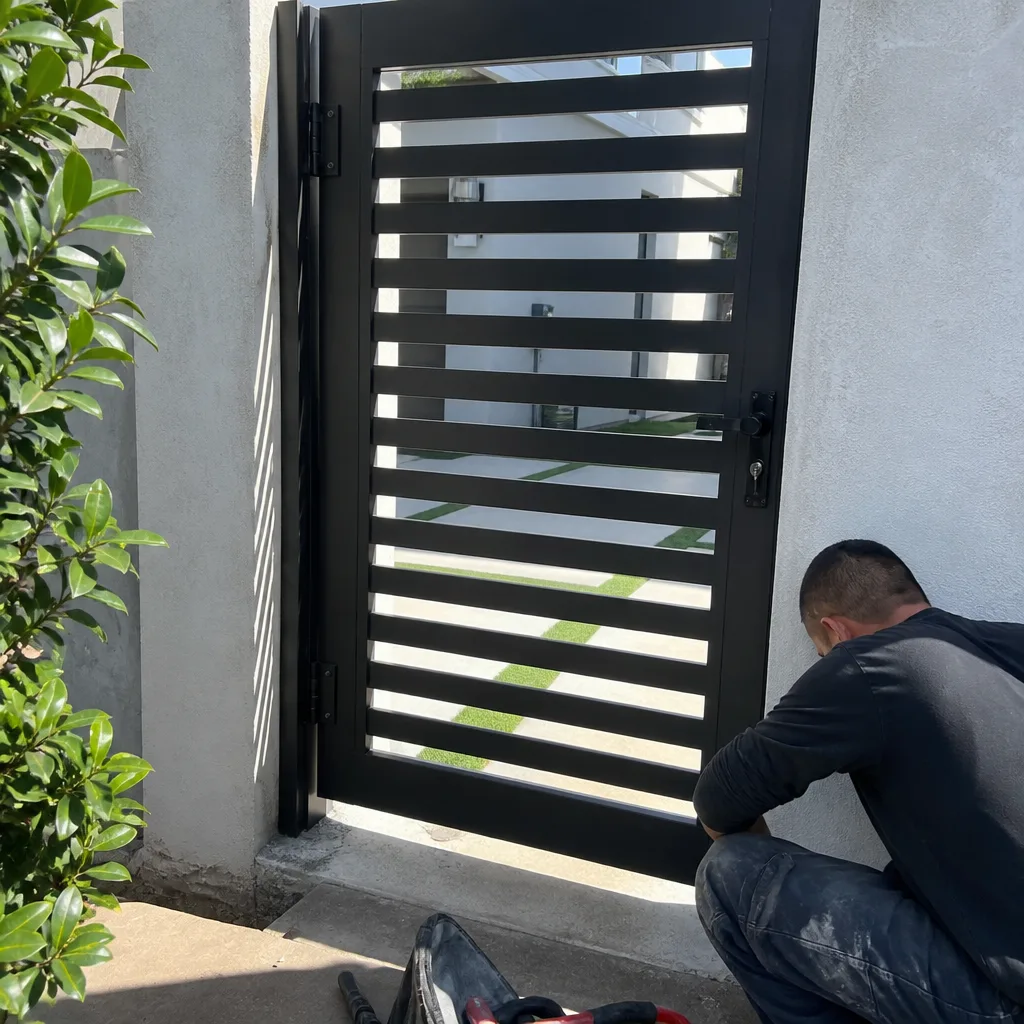 After
After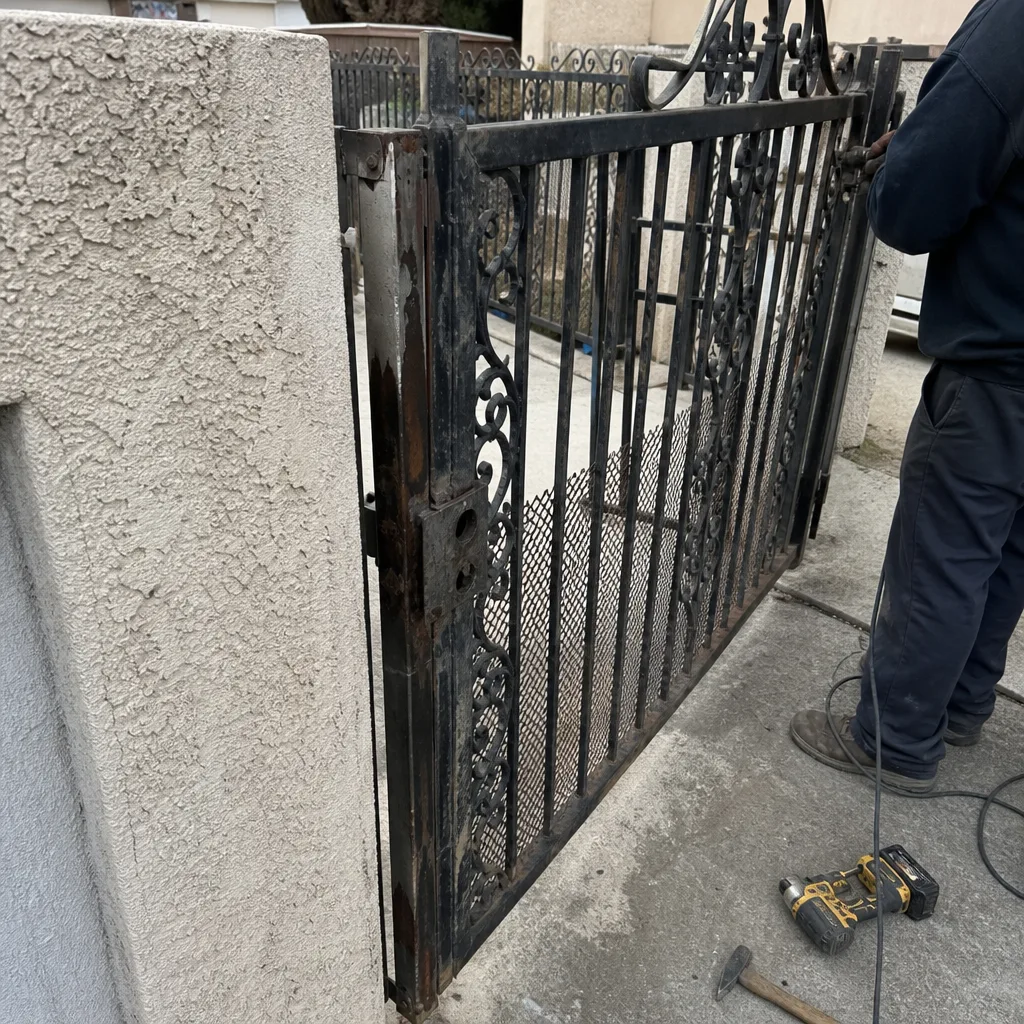 Before
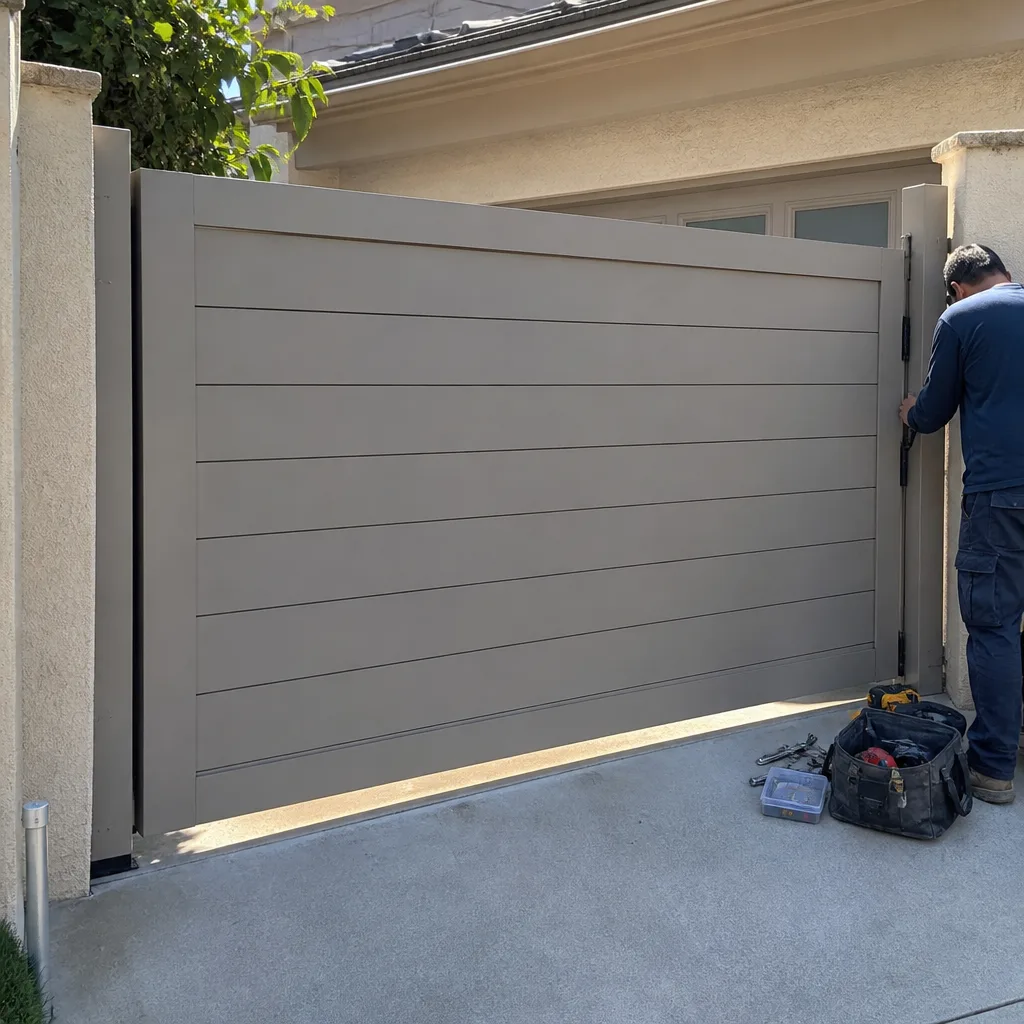 After
AfterThe Complete Electric Gate Repair Guide for Los Angeles Homeowners
Los Angeles has more than 200,000 automated residential gates, and the single most common repair mistake is misidentifying which of the gate’s three independent systems has actually failed. Homeowners call an electrician for a broken hinge, or a fence company for a fried circuit board, and the result is wasted money and a gate that still doesn’t work. This guide breaks down how to diagnose the real problem, what repairs actually cost across Los Angeles neighborhoods, when permits matter, and how to choose a gate repair company without opening your door to a stranger.
Quick Answer
Electric gate repair in Los Angeles typically costs between $180 and $650 depending on whether the problem is mechanical, electrical, or in the access control system. Most common repairs, like replacing a gate motor or fixing an opener circuit board, can be completed in a single visit by a gate specialist, not a general electrician. The fastest way to avoid paying for the wrong repair is to identify which system has failed before calling anyone; our Complete Gate Motor Repair Guide for Los Angeles Homeowners covers motor failures in detail.
Table of Contents
- The Three Systems Inside Every Electric Gate
- How to Identify Which System Has Failed Before Calling
- How Los Angeles Climate and Soil Affect Electric Gates
- Electric Gate Brands Most Common in Los Angeles
- Los Angeles Permit and Code Requirements for Gate Repair
- Power Outages, LADWP Voltage Fluctuations, and Surge Protection
- What Electric Gate Repair Costs in Los Angeles
- Choosing a Repair Company in Los Angeles
The Three Systems Inside Every Electric Gate
Every automated gate in Los Angeles, whether it slides across a driveway in Sherman Oaks or swings open in Hancock Park, depends on three separate systems working together. The mechanical system is the physical structure: the track, wheels, hinges, chain, and gate itself. The electrical system is the gate motor (the box that slides or swings your gate automatically), the wiring running to it, and the circuit boards inside. The access control system is everything that tells the gate to open: keypads, remote controls, intercoms, vehicle sensors, and the loop detectors buried under the driveway.
Here’s why this matters: each system fails differently, and each requires different expertise. A gate that moves but won’t respond to the remote is an access control problem. A gate that hums but doesn’t move is usually mechanical. A gate that’s completely dead is often electrical. In our experience, roughly a third of the repair calls we respond to in Los Angeles were initially misdiagnosed by the homeowner, which delayed the fix and sometimes caused secondary damage.
The three systems also age at different rates. Mechanical components like wheels and hinges wear down gradually, usually giving warning signs like grinding or sagging. Electrical components fail more abruptly, often after a power surge or heavy rain. Access control failures are the most confusing because the gate itself still works fine, it just doesn’t receive the signal to open.
- Mechanical system: track, wheels, hinges, chain, gate frame, physical movement
- Electrical system: gate motor, circuit board, wiring, power supply, capacitor
- Access control system: remotes, keypads, intercoms, sensors, loop detectors, receivers
How to Identify Which System Has Failed Before Calling
Before you call anyone, spend five minutes running through this diagnostic sequence. It won’t fix the gate, but it will tell you which type of specialist to call and what to expect when you describe the problem.
- Test the gate with every access method. Try the wall button, the remote control, the keypad, and the intercom if you have one. If the gate opens with the wall button but not the remote, the access control system has failed, not the motor. If nothing works, move to the next step.
- Listen for sounds when you trigger the gate. A humming or clicking noise from the gate motor means it’s receiving power but something is preventing movement. That’s usually mechanical, like a seized wheel or a broken chain. Complete silence suggests an electrical failure or a tripped breaker.
- Check the breaker and power source. Locate the breaker that controls the gate circuit and verify it hasn’t tripped. If the gate has battery backup, test whether the gate works on battery power. If it does, the problem is the incoming power line, not the gate itself.
- Look at the gate’s physical condition. Check whether the gate is sitting level, whether the wheels are on the track, and whether the hinges look straight. A gate that has shifted on its track will strain the motor and trigger safety sensors, which can cause the gate to reverse or stop entirely.
- Note when the problem started. Did it fail after a rainstorm, a power outage, or a period of high heat? That timing is diagnostic information a good technician will ask about, and it helps you avoid paying for a service call where someone just resets a breaker.
This five-minute process saves Los Angeles homeowners real money because it narrows the problem before a technician arrives. It also helps you push back if someone tries to sell you a new motor when the actual issue is a $75 receiver board.
How Los Angeles Climate and Soil Affect Electric Gates
Los Angeles is not one climate. The San Fernando Valley regularly hits triple-digit summer temperatures that cook gate circuit boards inside unventilated motor housings. The coastal zones, from Pacific Palisades down to San Pedro, carry salt air that corrodes exposed wiring and metal components faster than anywhere inland. And the city’s clay-heavy soil, particularly in the Valley, expands and contracts seasonally, shifting gate posts and underground conduit.
That soil movement is the most overlooked factor in Los Angeles gate repair. In neighborhoods like Encino, Tarzana, and Northridge, we regularly see underground gate wiring that has been stretched, pinched, or severed by earth movement. Clay soil expands when winter rains arrive and contracts during the long dry season. Over years, that cycle can pull apart wire splices and crack the PVC conduit that protects gate power lines. The symptom is usually an intermittent gate failure, one that works fine for weeks and then stops for no apparent reason, which makes it one of the most frustrating problems to diagnose.
Heat is the other Los Angeles factor. Gate motors generate their own heat during operation, and when the ambient temperature pushes past 100 degrees, the interior of a black metal motor housing can exceed 140 degrees. Capacitors and circuit boards fail faster at those temperatures. If your gate motor makes a clicking sound but won’t start on a hot afternoon, then works again after the sun goes down, the capacitor is likely failing from cumulative heat stress. See our Complete Gate Repair Guide for Los Angeles Homeowners for more on heat-related failures.
The practical takeaway for Los Angeles homeowners: if you live in the Valley, pay attention to whether your gate problems correlate with heat waves or the first heavy rain of the season. That’s useful diagnostic information, and it also tells you whether a repair is likely to be a one-time fix or a sign of deeper soil or heat-related stress that needs a more durable solution.
Electric Gate Brands Most Common in Los Angeles
Los Angeles has a distinctive mix of gate brands compared to other cities. High-end neighborhoods with custom estate gates tend to use LiftMaster, FAAC, or Viking. Mid-range homes, especially those built in the 1990s and 2000s, commonly have Elite or Linear openers. Rural properties in the hills and canyons often run Mighty Mule or Ghost Controls units, which are popular for solar-powered installations.
This brand diversity creates a practical problem: each manufacturer uses different circuit boards, different remote frequencies, and different safety sensor protocols. A technician who primarily services LiftMaster openers may not carry Viking parts or know the programming sequence for a BFT control board. That’s why brand-specific experience matters more in gate repair than in almost any other home service category.
Here’s what we see in the field across Los Angeles:
- LiftMaster and FAAC: dominant in high-end residential, where heavy gates require powerful industrial-grade operators. These units are reliable but expensive when they fail, and parts are not interchangeable with budget brands.
- Viking and Elite: the workhorses of mid-century and 1990s homes. Viking operators are known for durability, while Elite units appear frequently in multi-unit and gated community applications. Both have large installed bases in Los Angeles, which means parts are usually available locally.
- BFT, Linear, Ghost Controls, and Mighty Mule: common in smaller residential installations and DIY retrofits. These units are more affordable up front, but circuit boards and remote receivers fail more often under Los Angeles heat and voltage conditions.
When you call a repair company in Los Angeles, ask whether they carry parts for your specific brand before booking. A company that says “we’ll diagnose it and then order parts” means you’ll pay for a service call, then wait days or weeks for the repair. A gate specialist with factory training on your brand can often complete the fix in one visit.
Los Angeles Permit and Code Requirements for Gate Repair
Most electric gate repairs in Los Angeles do not require a permit. Replacing a gate motor, fixing a circuit board, repairing a keypad, or replacing a remote receiver falls under routine maintenance and repair, which the Los Angeles Department of Building and Safety does not require permits for.
Where permits do enter the picture is when the work involves new electrical circuits, structural changes, or significant underground work. If your gate repair requires running a new power line from the main panel to the gate, or if the repair involves trenching and installing new underground conduit, a licensed electrical contractor may need to pull a permit. The threshold is whether the work modifies the building’s electrical system rather than repairing existing components.
There’s also a legal distinction that matters for homeowners. In California, a C-10 electrical contractor license is required for work that involves connecting to the main electrical panel or installing new branch circuits. For work that’s limited to the gate equipment itself, which operates on existing low-voltage or already-installed power circuits, a gate specialist with a C-61/D-28 contractor’s license (door and gate services) is legally authorized to complete the repair. When you’re dealing with an underground wiring failure, the right call is to ask the repair company directly whether their scope of work stays on the gate side of the circuit or touches the main electrical system.
The practical answer for most Los Angeles homeowners: if your gate stopped working and the issue is the motor, the board, the remote, or the mechanical hardware, call a gate specialist. If the problem is a tripped breaker that won’t reset or a wire that appears to have shorted between the house and the gate, you may need a licensed electrical contractor for that portion of the repair.
Power Outages, LADWP Voltage Fluctuations, and Surge Protection
Los Angeles gates are unusually vulnerable to power-related damage because of how the city’s electrical grid behaves during summer demand peaks. LADWP voltage fluctuations, especially in older neighborhoods with aging transformers, can send damaging surges through residential circuits. Gate motors are particularly exposed because they’re often on outdoor circuits with long wire runs from the panel.
A voltage surge can fry a gate circuit board in a single event. The board is the gate’s brain: it controls motor timing, safety sensor logic, and remote receiver communication. Replacement boards for name-brand operators typically cost $150 to $400 before labor, which is why surge protection is the cheapest insurance a gate owner can buy.
Here’s what actually helps, based on what we see in the field:
- Whole-home surge protector at the main panel: catches external surges from the grid before they reach any appliance, including the gate motor. This is the single most effective protection for Los Angeles homes.
- Dedicated surge protector on the gate circuit: a secondary layer that protects specifically against surges that originate inside the home or pass through the panel. Most gate manufacturers recommend this for their equipment.
- Battery backup systems: keep the gate operational during power outages, which matters both for security and for avoiding the safety hazard of a gate stuck in the open or closed position. Many newer LiftMaster and Viking operators offer integrated battery backup.
If your gate fails after a rolling blackout or a summer brownout, a surge is the most likely culprit. The repair usually means replacing the circuit board, and after that it’s worth installing surge protection so it doesn’t happen again during the next heat wave.
What Electric Gate Repair Costs in Los Angeles
Los Angeles gate repair prices are higher than the national average, driven by the cost of doing business in the city and the concentration of high-end gate equipment. Here’s what you should expect to pay, based on current Los Angeles market rates:
| Repair Type | Typical Cost Range | What’s Included |
|---|---|---|
| Remote or keypad programming | $75 – $150 | Service call and reprogramming, no parts |
| Safety sensor replacement | $125 – $250 | Parts and labor for one sensor pair |
| Circuit board replacement | $180 – $450 | Board cost varies by brand; labor included |
| Gate motor replacement | $350 – $850 | Motor, installation, and programming |
| Track or wheel repair | $200 – $500 | Parts and labor; cost depends on gate weight |
| Complete operator replacement | $800 – $2,500 | New motor, new board, full system setup |
These are realistic Los Angeles market ranges. A company quoting significantly below these numbers is likely to make it up in hidden fees, and a company quoting significantly above them should be asked to justify the difference. Every repair we do at Warden Gate Repair comes with a written price before any work starts, so the number you approve is the number you pay. No surprise line items at the end.
The biggest pricing variable in Los Angeles is the gate itself. A lightweight aluminum driveway gate with a Mighty Mule opener is fundamentally different from a 700-pound steel estate gate with a LiftMaster commercial operator. The heavy gate requires more expensive motors, heavier-duty wheels, and stronger hinges, and all of that affects the repair cost. When you call for a quote, be ready to describe the gate’s approximate size and material, because those two factors move the price more than anything else.
Choosing a Repair Company in Los Angeles
Los Angeles homeowners face a specific anxiety with gate repair that doesn’t exist with, say, plumbing or HVAC: the person who fixes your gate is, by definition, working on the thing that controls who can enter your property. You’re opening your door to a stranger, and that stranger will know exactly how your gate works when the job is done. That’s a legitimate security consideration, not paranoia.
That’s why we built Warden Gate Repair around the idea that you should know exactly who is coming to your home before they arrive. Every technician we send goes through a background check and identity verification. Before the appointment, we send you the technician’s name and photo. When they arrive, they show photo ID at the door. We call this the Threshold Standard, and we enforce it on every single visit.
A warden is trusted to watch over a place and keep it secure. That’s the whole idea behind a gate, and it’s the standard we hold ourselves to. It’s also why we answer the phone with a live person 24 hours a day, seven days a week. No voicemail, no chatbot, no automated phone tree.
Here’s what to look for when choosing any gate repair company in Los Angeles:
- Written price before work starts: if a company won’t put the price in writing before beginning, walk away. Verbal estimates in gate repair have a way of growing.
- Brand-specific experience: ask whether the technician has worked on your specific gate brand this month. General experience isn’t the same as current familiarity with your equipment.
- Technician identity: ask what the company does to verify who their technicians are. If the answer is vague, that’s a red flag.
- Guarantee in writing: every reputable gate repair company stands behind their work. Ask what happens if the same problem recurs in six months.
- Licensed and insured: verify that the company holds a valid California contractor’s license and carries liability insurance. This protects you if the repair goes wrong or someone is injured on your property.
Warden Gate Repair has been serving Los Angeles since 2008 as part of the Threshold Group family. We service equipment from LiftMaster, FAAC, BFT, Linear, Viking, Ghost Controls, DoorKing, Elite, and Mighty Mule, which means the right parts and the right knowledge arrive together. Every repair carries our 365-Day Done Right Promise: if the repair isn’t right, we make it right, with a free second visit included in every job.
Common Mistakes to Avoid
- Calling a general electrician for a mechanical problem. Electricians are experts in power distribution, not gate tracks and hinges. A gate that moves but makes grinding noises needs a gate specialist, not an electrician. Calling the wrong trade means paying for a service call that ends with a referral.
- Calling a fence company for an electrical problem. The company that installed your fence knows fencing, not circuit boards and safety sensors. If the gate won’t open and the board has visible burn marks, a fence company can’t help you.
- Replacing the motor when the problem is a $75 receiver board. This happens more often than it should in Los Angeles. When an access control failure gets misdiagnosed as a motor failure, homeowners end up paying $500 or more for a repair that should have cost a fraction of that.
- Skipping surge protection after a power-related board failure. Replacing a fried circuit board without adding surge protection is like replacing a blown tire without checking the alignment. The same thing will happen again during the next heat wave or brownout.
- Ignoring the written quote requirement. In Los Angeles, any repair company that won’t put the price in writing before starting work is not a company you want on your property. Verbal estimates invite dispute and surprise line items.
- Hiring a technician without verifying their identity. Gate repair technicians learn exactly how your security system works. If a company can’t tell you who’s coming to your door before the appointment, that’s a security gap you don’t need to accept.
- Putting off a gate that’s showing early warning signs. A gate that’s slow, grinding, or intermittent is telling you something. Delaying the repair usually means a more expensive failure later, often at the worst possible time, like when the gate fails in the open position overnight.
When to Call a Professional
Call a gate repair professional when your gate won’t open or close with any access method, when the motor hums but the gate doesn’t move, when the gate reverses unexpectedly during operation, when you hear grinding or screeching during movement, when the remote works intermittently, or when the gate fails after a power outage or storm. These are not problems that resolve on their own, and delaying repairs can cause secondary damage to the motor or the gate’s mechanical structure. Safety sensors, which prevent the gate from closing on a person or vehicle, must be replaced by someone who understands the system’s safety logic. Warden Gate Repair offers free estimates in Los Angeles. Call (828) 426-7081 and a live person will answer, no matter what time it is.
Frequently Asked Questions
Electric gate repair in Los Angeles typically costs between $180 and $650, with simple fixes like remote programming at the low end and complete motor replacements at the high end. The final price depends on your gate’s size and weight, the brand of equipment, and which of the three systems has failed. Every Warden Gate Repair job includes a written price before work starts, so you’ll know the exact number before you approve anything. Call (828) 426-7081 for a free estimate.
Yes, most electric gate repairs can be completed in a single visit because we stock parts for nine major brands, including LiftMaster, Viking, Elite, FAAC, BFT, Linear, Ghost Controls, DoorKing, and Mighty Mule. Common repairs like circuit board replacement, remote programming, and safety sensor replacement are almost always same-visit fixes in Los Angeles. Call (828) 426-7081 and our live dispatch team can tell you what’s possible for your specific situation.
A gate specialist is licensed and trained specifically for gate equipment, meaning they understand the mechanical, electrical, and access control systems as an integrated whole. A general electrician understands power distribution and wiring but typically doesn’t carry gate-specific parts or understand gate safety sensor logic. The wrong trade means a longer repair time, a higher cost, and sometimes a second service call from a specialist to fix what the first call missed.
Most electric gate repairs do not require a permit because they fall under routine maintenance and repair. Replacing a gate motor, fixing a circuit board, or repairing a keypad stays on the gate side of the circuit and can be completed by a licensed gate specialist. New electrical circuits, trenching for new conduit, or connections to the main panel may require a licensed electrical contractor and a permit from the Los Angeles Department of Building and Safety.
A power outage or voltage fluctuation in Los Angeles can send a surge through your gate’s circuit board, frying the board in a single event. LADWP voltage fluctuations during summer demand peaks are a common culprit, especially in older neighborhoods with aging transformers. After a board replacement, installing a surge protector on the gate circuit is the most effective way to prevent a repeat failure. Call (828) 426-7081 to discuss the right surge protection for your setup.
Before your appointment, Warden Gate Repair sends you the technician’s name and photo, and the technician shows photo ID at the door. This is the Threshold Standard, and we apply it to every single visit. Every technician is background-checked and identity-verified before they’re ever scheduled to a home in Los Angeles. If a company can’t tell you who’s coming before the appointment, that’s a reason to choose a different company.
We service equipment from LiftMaster, FAAC, BFT, Linear, Viking, Ghost Controls, DoorKing, Elite, and Mighty Mule. That factory-trained coverage means the right parts and the right programming knowledge arrive together, so most repairs are completed in one visit. If your gate brand isn’t on that list, call (828) 426-7081 and we’ll tell you honestly whether we’re the right fit for your equipment.
The Bottom Line
Electric gate repair in Los Angeles doesn’t have to be a guessing game. The homeowners who get the best outcomes are the ones who spend five minutes identifying which of the three systems has failed, who know what their brand of equipment typically costs to fix, and who insist on a written price before any work begins. Los Angeles has specific challenges, including Valley heat that cooks circuit boards, clay soil that shifts underground wiring, and LADWP voltage fluctuations that surge through gate circuits. The right repair company admits what it doesn’t know, sends a named, photo-badged technician, and stands behind the work with a written guarantee. For more guides & resources, visit our blog. That’s how a warden should operate.
Written by Cole Rafferty, Owner at Warden Gate Repair, serving Los Angeles since 2008.