
Last updated October 9, 2026
Free on-site gate assessment - hinges, posts, and your LiftMaster or Nice gate operator checked before anything is quoted
The assessment is free and the quote is the invoice.
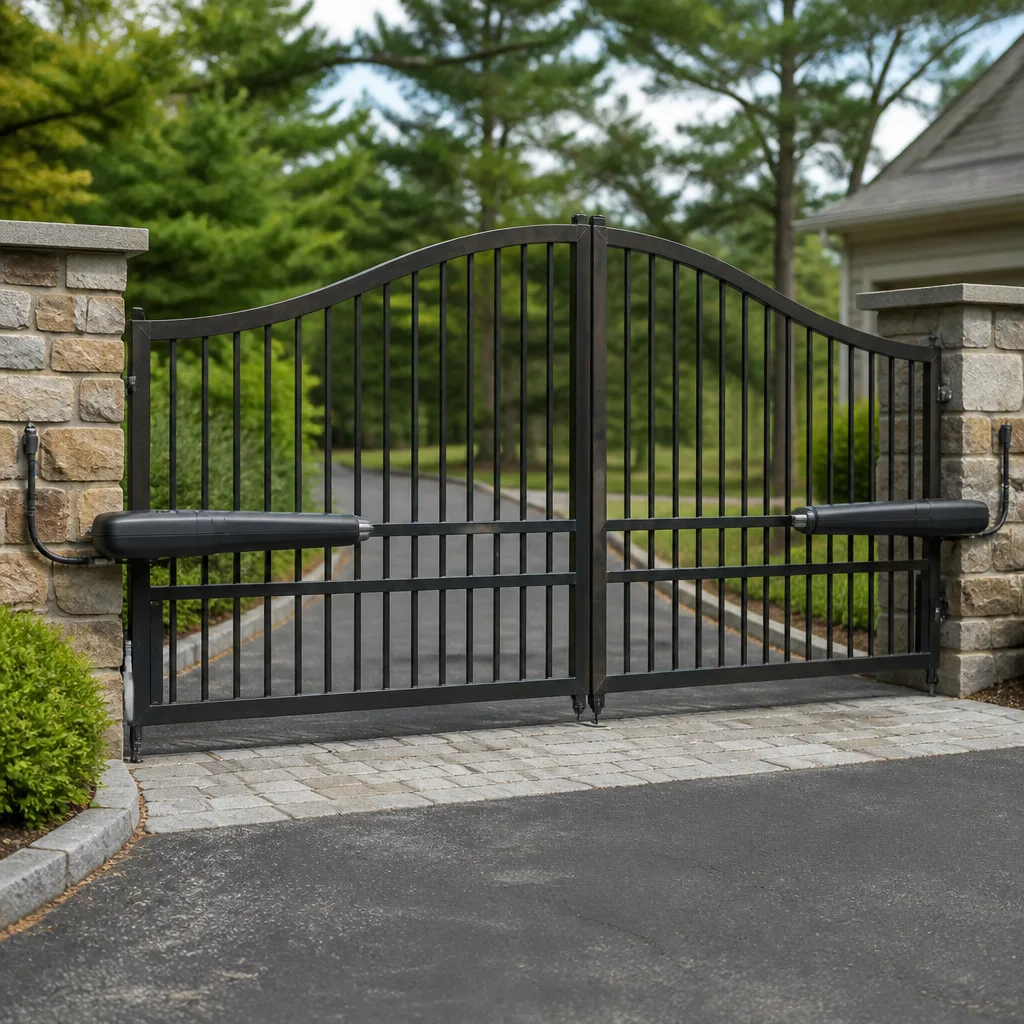
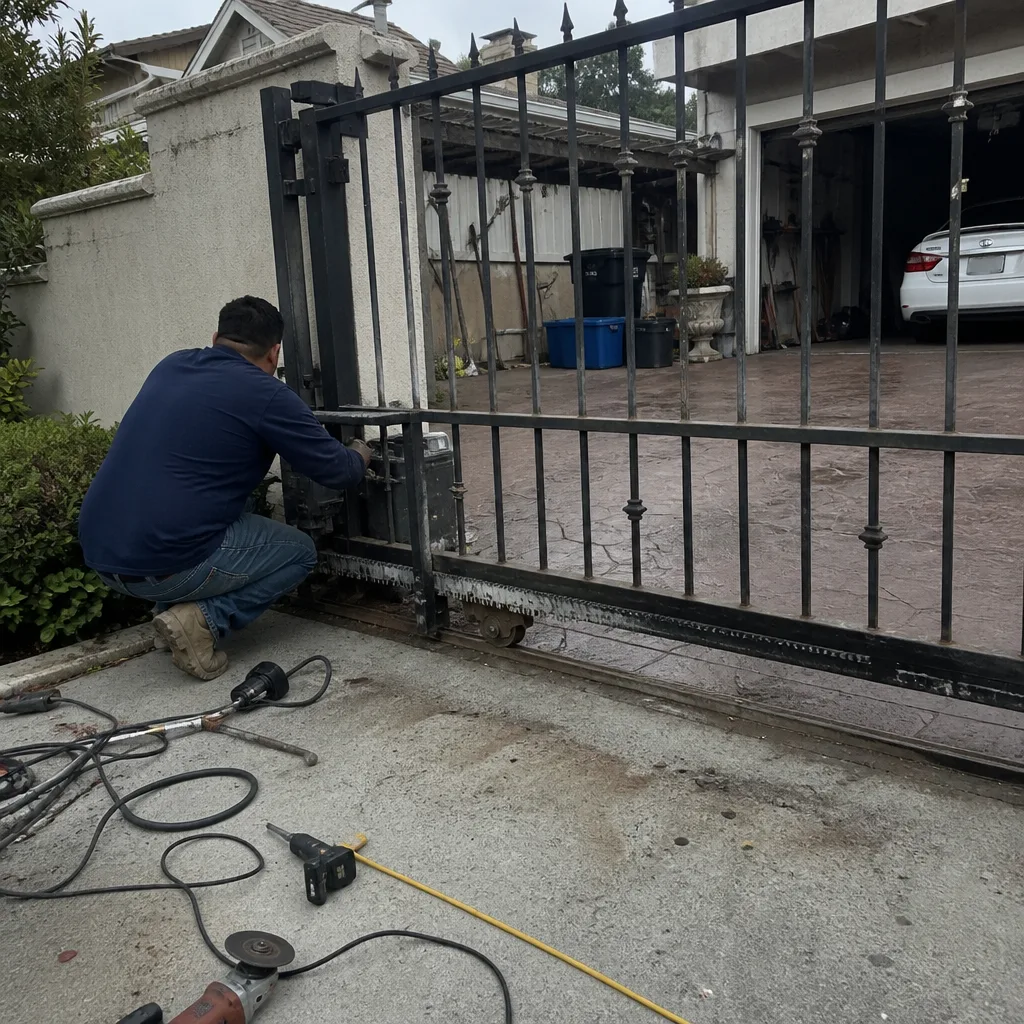 Before
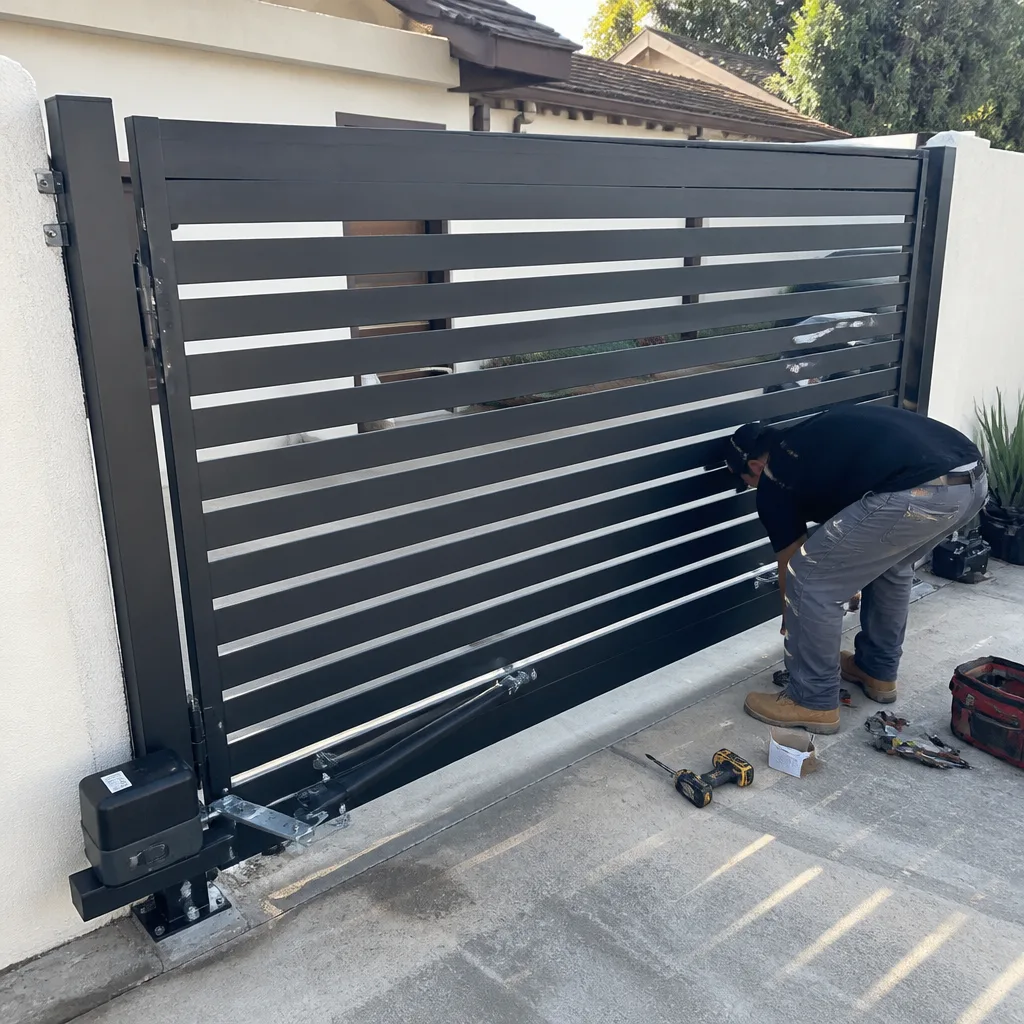 After
After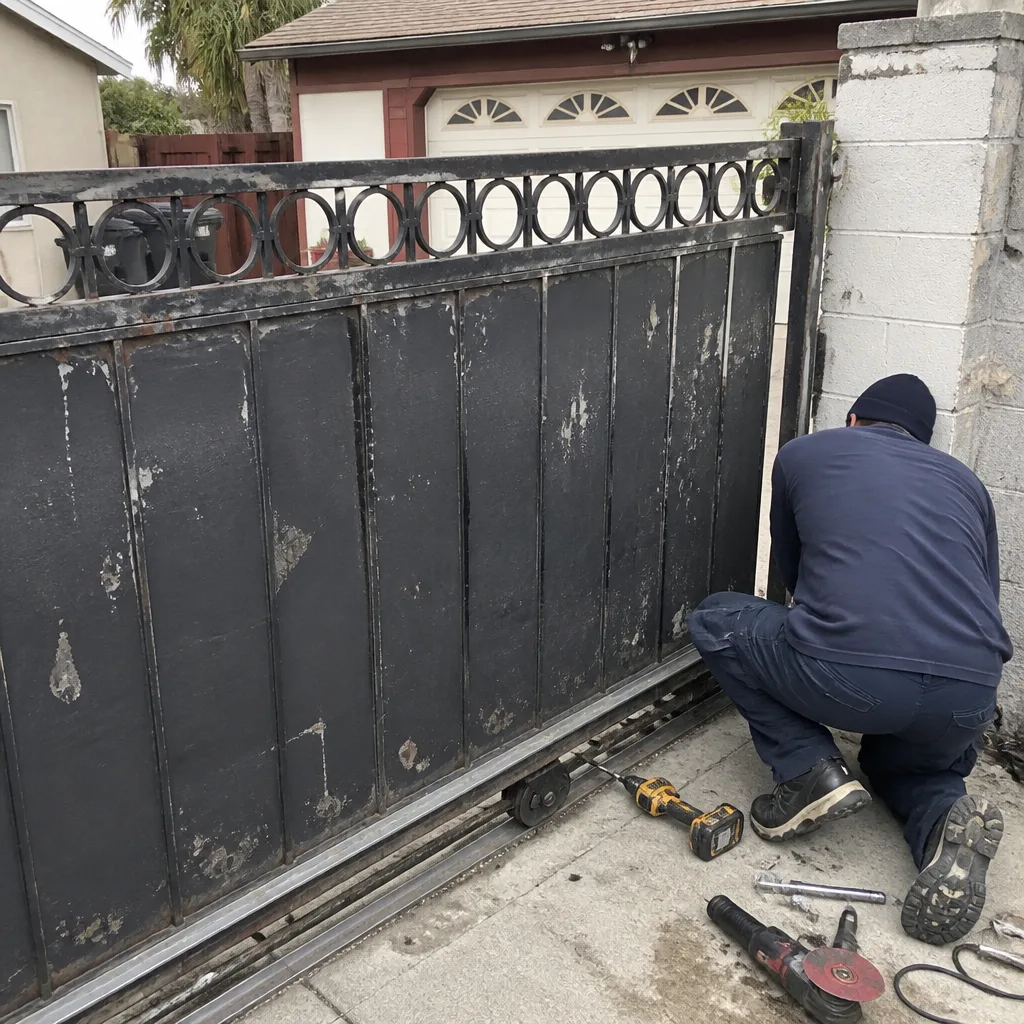 Before
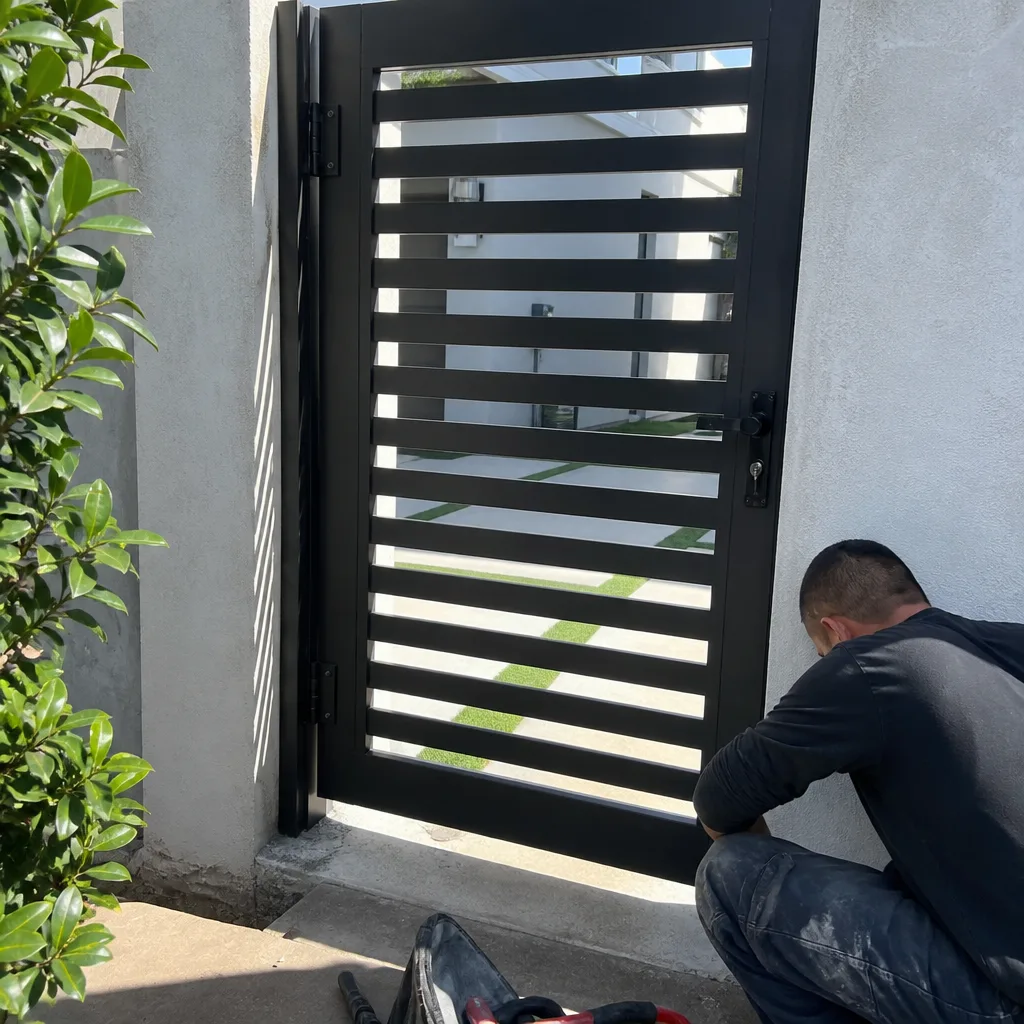 After
After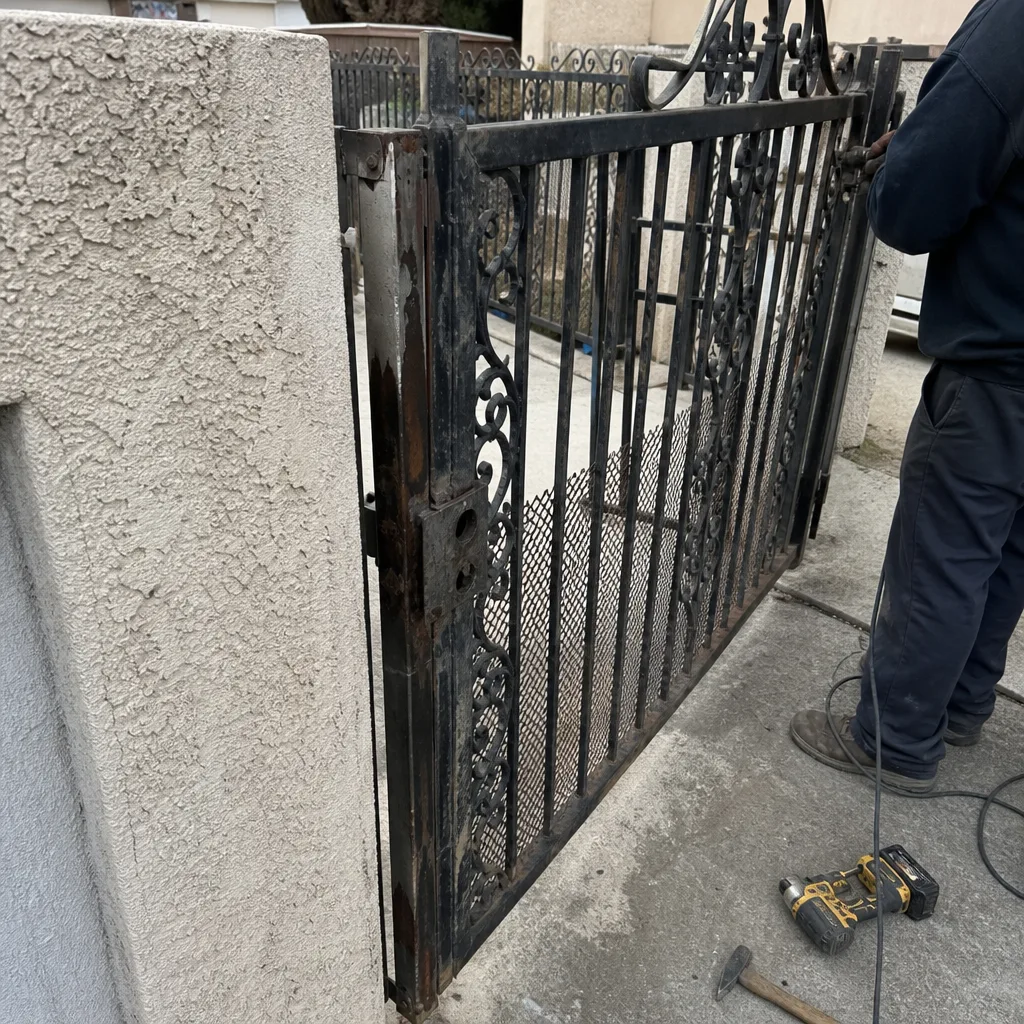 Before
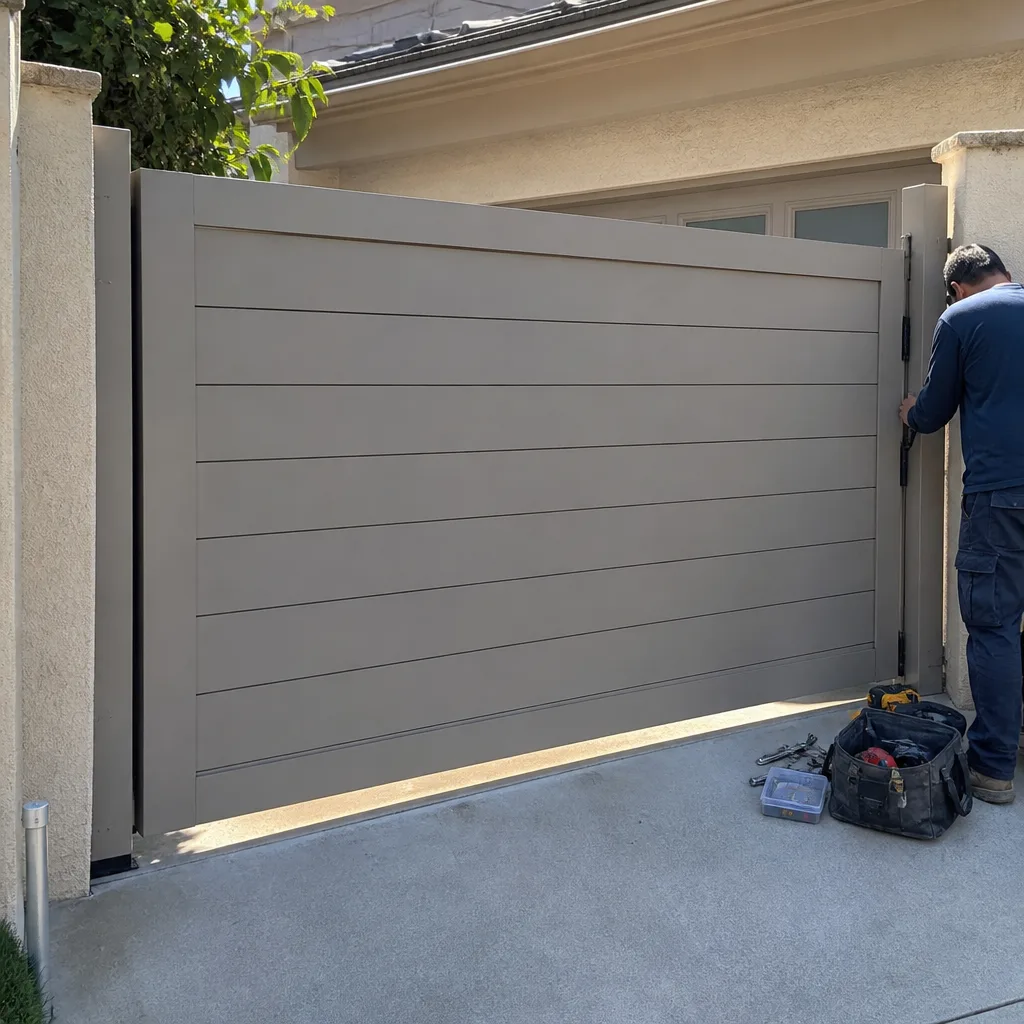 After
AfterGate Repair Permits, Codes & Inspections in CA: What You Need to Know
A homeowner in Pasadena discovered at escrow that a “simple” gate motor upgrade done three years prior required a building permit. The sale was delayed 11 days and cost $3,200 in retroactive inspection fees. The original repair bill was $800. This is not a rare story in Los Angeles, and it is exactly the kind of surprise that turns a routine gate repair into a financial headache. This guide explains which gate projects trigger permits under California code, how different LA County jurisdictions enforce the rules, what UL 325 means for your insurance, and how to fix unpermitted gate work before it becomes someone else’s problem. For hands-on help, see our Gate Repair services.
Quick Answer
Most gate repairs do not require a permit in California, but gate installations, operator additions, and any work involving new electrical circuits or structural changes usually do. In Los Angeles, the specific requirements depend on which jurisdiction you live in: City of LA, unincorporated LA County, Beverly Hills, and Santa Monica each administer the California Building Code Title 24 differently. Non-permitted electrical or structural gate work can delay a home sale, void an insurance claim, or create liability if someone is injured by the gate.
Table of Contents
- What Gate Work Needs a Permit in California (and What Doesn’t)
- How Permit Rules Differ Across LA County Jurisdictions
- UL 325 Compliance: The Safety Standard That Affects Your Insurance
- The HOA Layer: When CC&Rs Are Stricter Than City Code
- How to Retroactively Permit Gate Work Before a Sale
- What a Gate Inspection Actually Covers in Los Angeles
- Common Mistakes to Avoid
- When to Call a Professional
- Frequently Asked Questions
- The Bottom Line
What Gate Work Needs a Permit in California (and What Doesn’t)
California Building Code (CBC) Title 24 governs all gate work in the state, and it draws a distinct line between maintenance and construction. Understanding that line saves homeowners thousands of dollars and months of stress. Here is the practical breakdown.
Routine maintenance that does NOT require a permit:
- Replacing a worn gate roller, hinge, or wheel on a sliding or swinging gate
- Adjusting the open and close limits on an existing gate operator
- Replacing a failed photo-eye sensor on a gate that already has safety devices installed
- Re-greasing track systems, tightening bolts, or aligning a sagging gate leaf back to its original position
- Swapping out a remote control receiver on an existing operator, provided no new wiring is run
- Replacing a gate keypad or key switch with a like-for-like unit
Any of these tasks can be handled as service work. Warden Gate Repair performs this kind of maintenance daily across Los Angeles, and our techs know the line between a 20-minute adjustment and a job that needs plans and an inspection.
Work that DOES trigger a permit requirement under Title 24:
- Installing a new gate operator or motor where none existed before. This is an electrical installation under CBC Chapter 1 and the California Electrical Code (CEC).
- Running a new electrical circuit, conduit, or underground wiring from your panel to the gate location. This requires an electrical permit and possibly trench inspection.
- Building a new gate pillar, column, or foundation that supports the gate structure. Structural work falls under CBC Chapter 18 (Soils and Foundations) and often requires engineered plans.
- Replacing a gate that changes the structural design, span, weight, or load on the existing posts. A heavier gate on old pillars is a structural modification.
- Installing an automatic gate across a driveway that serves as the primary emergency access for a property. Fire departments in Los Angeles scrutinize these installations heavily.
Where homeowners get surprised
The most common surprise in Los Angeles is the electrical permit. A homeowner replaces a dead gate motor with a new LiftMaster or Viking operator that draws different amperage, runs a new wire, or adds a battery backup. They think of it as “replacing a part.” The city sees it as “new electrical work.” The difference matters at inspection time.
Another surprise: gate posts. If a tree falls on a gate and the pillar crack means the post needs to be re-poured, that is structural work, not a repair. In our experience, we have seen unpermitted post replacements fail escrow in neighborhoods like Sherman Oaks and Encino more times than we can count.
How Permit Rules Differ Across LA County Jurisdictions
Los Angeles is not one permitting authority. It is a patchwork of cities and unincorporated zones, each administering the California Building Code with their own interpretations, fee schedules, and inspection habits. This section covers the four most common scenarios.
City of Los Angeles (LADBS)
The Los Angeles Department of Building and Safety (LADBS) requires an electrical permit for any gate operator installation involving new wiring, and a building permit for structural gate work. The city has a streamlined “express permit” process for some minor electrical work, but automatic gates rarely qualify because of the safety-device inspection requirement. Expect a plan check if the gate is over 7 feet tall or if the operator controls a driveway gate across a fire access route.
LADBS inspectors for gate work tend to focus on two things: grounding and UL 325 safety device placement. If a photo-eye is mounted at the wrong height or the gate lacks a reversing edge, the inspection fails, and a re-inspection fee applies.
Unincorporated LA County
Unincorporated areas like Altadena, Marina del Rey, and parts of the San Fernando Valley fall under Los Angeles County Public Works, Building and Safety Division. The code is the same Title 24, but the county often requires a septic or utility line clearance check before trenching for underground electrical to a gate. The county is also stricter about gate setback from the property line in unincorporated zones. A gate that is too close to the public right-of-way can trigger a zoning review in addition to the building permit.
Beverly Hills
Beverly Hills is its own building department and has some of the strictest gate regulations in the county. The city requires design review for any gate visible from the street, even a repair that changes the appearance. A new drive gate in Beverly Hills typically goes through both a planning review and a building permit, which adds 4 to 6 weeks to the timeline. The city also mandates specific finish materials in some historic or overlay districts.
Santa Monica
Santa Monica enforces a local energy code that can affect gate operator selection. Solar-powered or low-voltage operator options are favored, and the city’s Office of Sustainability sometimes requires documentation that a new operator meets energy efficiency thresholds. Santa Monica also has specific rules about gate noise levels in residential zones, which affects gear-driven versus belt-driven operator choices.
For anyone reading this outside Los Angeles, the takeaway is this: do not assume your city mirrors LADBS. Call your local building department and ask specifically, “Does my proposed gate work require a permit?” Then get the answer in writing if they say no.
UL 325 Compliance: The Safety Standard That Affects Your Insurance
UL 325 is the national safety standard for automatic gate operators and garage door openers. It is not a building code, but California adopts it by reference into Title 24, which makes it enforceable law in this state. Every automatically operated gate in Los Angeles must meet UL 325 requirements.
What UL 325 mandates for residential gates:
- Entrapment protection devices. Every automatic gate must have at least two independent entrapment protection mechanisms. Typically, this means a reversing edge (a pressure-sensitive strip on the gate’s leading edge) plus a photo-eye sensor that stops and reverses the gate if a person or object breaks the beam.
- Force limitation. The operator must be set to stop and reverse when it encounters a specific maximum force, calibrated based on gate weight and speed. An operator set too strong is a crushing hazard.
- Warning signage. Automatic gates require a visible warning sign mounted on the gate, typically on both sides, alerting pedestrians and children to the automatic operation hazard.
- Manual release capability. The operator must include a manual disengagement mechanism so the gate can be operated by hand during a power outage or emergency.
- Monitored safety devices. On newer installations, photo-eyes and edges must be “monitored,” meaning the operator self-tests these devices on every cycle. If a sensor fails, the gate refuses to operate. Ghost Controls and DoorKing operators commonly include this feature.
What non-compliance means for your insurance
Here is the part most homeowners never hear. If an automatic gate injures someone and the gate was not UL 325 compliant, your homeowner’s insurance carrier can deny the liability claim on the grounds that the property contained an unpermitted or non-compliant hazardous installation. Insurance policies routinely exclude injuries caused by non-code-compliant or unpermitted work.
Let that land: the gate works fine for years, a child gets caught in it, and the carrier reviews the installation, finds no permit, finds missing safety devices, and denies the claim. You are now personally liable for medical costs and legal defense. In Los Angeles, where drive gates are common and pedestrian traffic is constant, this is not a theoretical risk. We recommend every homeowner with an automatic gate verify that their operator brand (Linear, Viking, LiftMaster, FAAC, BFT, DoorKing, Elite, Mighty Mule, or Ghost Controls) is installed with the full UL 325 safety device set and that the work was permitted if required. Learn to spot problems early in our Gate Repair Warning Signs Every Homeowner Should Know.
The HOA Layer: When CC&Rs Are Stricter Than City Code
City permits and inspections are one layer. Many Los Angeles homeowners live in HOA-governed communities with Covenants, Conditions, and Restrictions (CC&Rs) that impose gate standards beyond municipal code. HOA rules can be stricter, but they cannot be more lenient.
What HOAs commonly require:
- Specific gate styles, colors, and materials for street-facing gates, even on single-family lots in gated communities
- Approval of gate height and visibility (some HOAs prohibit solid privacy gates and require see-through or wrought-iron style)
- Designated gate operator brands or types to maintain consistent noise levels across the neighborhood
- Time windows for gate construction or repair work, often limited to weekday daylight hours
- Proof of permits before approving an architectural change request
The nightmare scenario
Here is how the HOA layer creates problems. A contractor installs a beautiful custom gate that passes city inspection with flying colors. The work is permitted, signed off, code compliant. Then the HOA architectural committee reviews it and determines the gate style violates the community’s design standards. The homeowner must remove or modify the gate at their own expense. The city will not help because the city’s involvement is satisfied. The HOA can levy fines until the violation is corrected.
In Los Angeles communities like Porter Ranch, Calabasas, and gated neighborhoods in the hills above Studio City, this exact sequence plays out regularly. Before any gate replacement, check two documents: the city permit requirements and the HOA’s architectural guidelines. If you are in an HOA, the architectural approval comes first. Get the design approved, then pull permits, then do the work. Skipping either layer creates a headache that is expensive to unwind.
Warden Gate Repair home has a library of resources on gate work in HOA-governed Los Angeles communities if you need more detail on this layer.
How to Retroactively Permit Gate Work Before a Sale
The Pasadena escrow story at the top of this guide is not rare. Real estate transactions in Los Angeles regularly uncover unpermitted gate work during the inspection or title review phase. The good news: retroactive permitting is possible, and it is usually faster and cheaper than the horror stories suggest. Here is the step-by-step process.
- Determine what was actually done. Gather receipts, installation photos, or any paperwork from the original work. The building department needs to know exactly what was installed and when.
- Contact the building department. Ask for the “as-built” or “retroactive permit” process. In LADBS, this falls under a “permit after the fact.” The department will assign a plan reviewer or inspector to evaluate the scope.
- Schedule a preliminary inspection. An inspector visits the property to assess the gate, wiring, operator, and safety devices against current code. Expect a fee of $200 to $500 for this visit, depending on the jurisdiction.
- Correct any deficiencies. If the inspector finds missing UL 325 safety devices, improper grounding, or structural issues, those get fixed first. This is where a factory-trained gate specialist matters because the corrections must meet code on the first re-inspection.
- Submit retroactive permit application. Once the installation is brought to code, the permit is issued retroactively. Fees in Los Angeles for retroactive gate electrical work typically range from $400 to $1,200 depending on the scope and zone.
- Pass the final inspection. The same inspector returns to sign off. The permit is then closed, and the work is legally recorded.
What it costs and how long it takes
For a straightforward gate motor replacement that was done without a permit, the total retroactive permitting cost in Los Angeles typically lands between $800 and $2,500, including inspection fees, permit fees, and any corrective work. Timelines run 2 to 4 weeks in most LA County jurisdictions. Beverly Hills and Santa Monica tend toward the longer end because of plan review backlogs.
Which inspectors in Los Angeles are most familiar with residential gate systems? In our experience, the LADBS inspectors assigned to the San Fernando Valley and West LA districts see the highest volume of gate work and are generally the most efficient with gate-specific inspections. LADBS does not allow homeowners to request a specific inspector, but knowing which district office handles your area helps set realistic expectations.
For gate work that needs retroactive permitting in Los Angeles, gate repair in Los Angeles requires a specialist who understands what inspectors look for on these specific callbacks.
What a Gate Inspection Actually Covers in Los Angeles
If your gate project requires a permit, the inspection is the moment of truth. Knowing what the inspector checks removes the anxiety and helps the work pass the first time. Here is what a Los Angeles gate inspection covers.
Electrical inspection checklist
- Proper grounding of the operator and any metal gate frame components
- Conduit installation for underground or exposed wiring runs, with correct depth for buried lines (18 inches for PVC conduit under the CEC)
- GFCI protection on the circuit serving the gate operator
- Correct wire gauge for the operator’s amperage draw
- Waterproof junction boxes and weathertight connections at the gate location
Safety device inspection checklist
- Photo-eye sensors mounted at the correct height (generally 6 inches to 30 inches above grade for pedestrian protection)
- Reversing edge installed on the gate’s closing edge and tested for proper operation
- Force setting calibrated so the gate reverses on light contact
- Warning signage placed on both sides of an automatic gate
- Manual release mechanism accessible and operational
Structural inspection checklist
- Gate post footings sized correctly for the gate weight and span
- Proper anchoring of the operator to its pad or post
- Gate travel stops that prevent over-travel at both open and close positions
- Hinges or rollers rated for the gate weight
- No sag that will worsen over time or strain the operator
In Los Angeles, inspectors from LADBS and LA County Public Works care most about entrapment protection. That is the safety issue that generates lawsuits and insurance claims. If your gate lacks a reversing edge or a monitored photo-eye, the inspection stops right there. Warden Gate Repair routinely brings gates up to inspection standard on the first pass because our techs pre-check every UL 325 requirement before the inspector arrives.
Common Mistakes to Avoid
- Treating a gate operator installation as maintenance. Replacing a dead operator with a different model is electrical work, not maintenance, if new wiring or circuitry is involved. Los Angeles building departments see this daily and reject retroactive permits for homeowners who genuinely believed no permit was needed.
- Skipping the HOA architectural review before starting work. A gate that passes city code but violates CC&R design standards becomes a double expense. File the HOA request first, then pull permits.
- Using a handyman for electrical gate work. California requires a C-10 electrical contractor license for the electrical portion of gate operator installation. A general handyman without this license cannot legally perform that work, and any inspection will flag the unlicensed installation.
- Installing an automatic gate without UL 325 safety devices. A bare gate motor with no reversing edge and no photo-eye will never pass inspection and creates a serious entrapment hazard. This is the single most common deficiency we correct in Los Angeles.
- Not keeping permit paperwork. When the work is done and inspected, file the final approval card. At escrow, that card is the difference between a clean closing and a delayed sale with retroactive fees.
- Assuming the rules are the same everywhere. City of LA, unincorporated county, Beverly Hills, and Santa Monica all differ. Check with the specific authority for your address before committing to a gate project.
- Forgetting that driveway gates affect emergency access. The fire department reviews automatic driveway gates in many Los Angeles jurisdictions. A gate that blocks a fire truck from reaching the home is a life-safety issue that gets flagged on inspection.
When to Call a Professional
Some gate projects are DIY-appropriate. Replacing a worn hinge or adjusting a sagging gate leaf is work a competent homeowner can handle. But when the job involves wiring, operator installation, structural posts, or anything that touches UL 325 safety devices, the risk shifts from inconvenience to liability. A gate that fails under stress, or an operator that entraps a child because the safety edge was never installed, is not worth the savings of an unlicensed repair. If you are unsure whether your gate work needs a permit in Los Angeles, the fastest path to a clear answer is a conversation with someone who does this work every day. Warden Gate Repair offers free estimates in Los Angeles, call (828) 426-7081. We will tell you straight whether your project needs a permit, what it will cost, and exactly who will be at your door.
Frequently Asked Questions
If you are swapping a failed gate motor for an identical model with no new wiring, no permit is required because it is considered a like-for-like repair. If you are installing a gate motor where none existed, or changing the wiring, circuit, or operator type, you need an electrical permit. In Los Angeles, many homeowners cross this line accidentally when they upgrade from a basic operator to a smart-enabled Viking or DoorKing unit that requires additional wiring. Call (828) 426-7081 and we will tell you in five minutes where your situation falls.
For a typical unpermitted gate motor installation, the retroactive permit, inspection fees, and any corrective work usually total between $800 and $2,500 in Los Angeles County. The cost depends on which jurisdiction you are in, what deficiencies the inspector finds, and how much corrective work is required. The original unpermitted repair might have saved $400 in permit fees and ended up costing three times that at escrow.
Yes, but the unpermitted work becomes a disclosure obligation. California sellers must disclose known unpermitted improvements on the Real Estate Transfer Disclosure Statement. Buyers can demand retroactive permitting before closing, and the cost and delay fall on the seller. The Pasadena example in this guide saw an 11-day delay and $3,200 in fees over an $800 repair.
UL 325 is the national safety standard for automatic gate operators, adopted into California code under Title 24. It requires entrapment protection devices like reversing edges and photo-eye sensors on every automatic gate. Insurance carriers can deny liability claims involving non-compliant gates, which means a gate injury on your property could become a personal financial catastrophe if the gate was never brought to UL 325 standard.
You have a conflict between two governing bodies, and the HOA wins on design control. The city’s concern is safety and code compliance. The HOA’s concern is aesthetic standards, and CC&Rs give them enforcement power through fines. You must modify or replace the gate to meet HOA standards at your own cost. This is why the HOA architectural review must come before pulling permits, not after inspection.
In many Los Angeles jurisdictions, automatic driveway gates across the primary access route are reviewed for emergency access. The fire department requires that the gate not impede a fire engine from reaching the structure and that the operator include an emergency release mechanism accessible to firefighters. This review happens as part of the permit process for new gate installations, not routine repairs.
The Bottom Line
Most gate repairs in California do not require a permit. But the threshold between “maintenance” and “construction” is crossed more easily than most homeowners realize, and the consequences of guessing wrong show up at the worst possible moments. An unpermitted gate motor can delay a home sale, sink an insurance claim, or create personal liability after an injury. The fix is simple: know which work triggers a permit, check both city and HOA requirements before starting, insist on UL 325 compliant installation for automatic gates, and keep the paperwork. When in doubt about gate work in Los Angeles, call us before you call anyone else. Electric gate repair in Los Angeles and gate motor repair in Los Angeles both start with the same first step: a straight answer about permits, code, and what your gate actually needs. Contact Warden Gate Repair at (828) 426-7081 for a free estimate and a written price before any work begins.
Written by Cole Rafferty, Owner at Warden Gate Repair, serving Los Angeles since 2008. Explore more guides & resources on our blog.